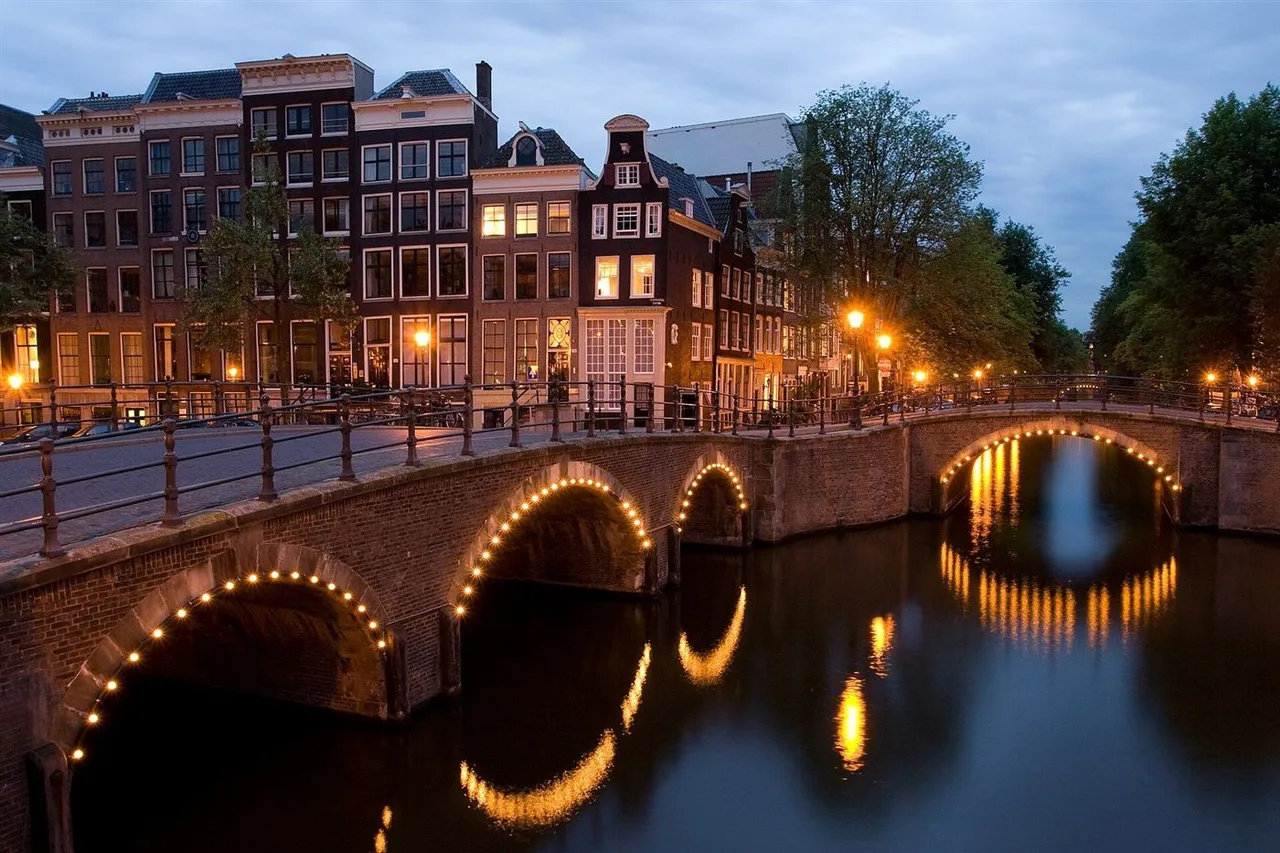
Amsterdam in 2 days works best as two different kinds of walk. Day 1 follows the 17th-century canal ring on foot, from the Jordaan to the Nine Streets. Day 2 belongs to Museumplein, where the Rijksmuseum, the Van Gogh Museum and the Stedelijk Museum stand close together, and it ends on a bicycle or a tram. This itinerary suits first-time visitors who like art and architecture and prefer flat, easy routes. The concrete reason to go is the canal ring itself: UNESCO inscribed it in 2010, and most of it can be seen from the pavement at no cost.
Quick facts
- Country and region: the Netherlands, in the province of North Holland.
- Main airport: Amsterdam Airport Schiphol (AMS); NS trains reach Amsterdam Centraal in roughly 14 to 17 minutes, according to I amsterdam.
- Main station: Amsterdam Centraal, with tram stops outside.
- Getting around: walk, tram, metro, ferry and bicycle; the municipal operator GVB runs the city network.
- Currency: euro (EUR).
- Language: Dutch.
- Time zone: Central European Time, with summer time in season.
- Best months: April to June, September to October.
Best time to visit
April to June brings long days and open terraces along the canals. It is also the season for Keukenhof, the spring flower park outside the city, whose 2027 season starts on 18 March according to its own FAQ. King's Day on 27 April changes opening hours at some sites, the Anne Frank House among them, so check the official calendar. September and October keep walking weather mild. Winter has short days and rain, which suits museums better than canal strolls, and the Van Gogh Museum posts earlier closing times for part of the autumn. Summer works for cycling; we recommend early museum slots.
Getting there and around
From Schiphol the train is simplest: NS runs a 14 to 17 minute ride to Amsterdam Centraal, as I amsterdam notes, and trams do not reach the airport. Centraal is also the departure point for international services: I amsterdam lists high-speed Eurostar and ICE trains to cities such as London, Paris, Brussels and Frankfurt, plus Nightjet sleepers to Vienna, Zurich and Munich. Domestic timetables are on NS.
Inside the city, GVB runs trams, metro, buses and ferries. Check in and out with a contactless bank card or phone using OVpay, or buy a GVB day ticket, as the I amsterdam public transport guide explains. Trams cover almost the whole city except Amsterdam Noord and NDSM.
On two wheels, I amsterdam says the city has up to 400 kilometres of bicycle paths, with rental shops around Centraal and Leidseplein; its cycling page lists the rules. On foot, the Anne Frank House is a 20-minute walk from Centraal, and the Rijksmuseum is 20 minutes from there.
Where to stay
Three bases suit this plan.
The Jordaan and the western canal ring fit Day 1. Prinsengracht, the Westerkerk, the Noordermarkt and the Anne Frank House are a short walk apart, and trams 13 and 17 stop at Westermarkt, according to the Anne Frank House.
The Museum Quarter around Museumplein fits an art-led trip. The Rijksmuseum, the Van Gogh Museum and the Stedelijk are on or beside the square, and trams 2, 5 and 24 link it with Centraal.
The area around Amsterdam Centraal suits late arrivals and early departures. The Schiphol train is the shortest transfer, and the busiest streets get loud at night, so ask for a side-street room.
Day 1: The canal ring on foot
Morning: the Jordaan and the Prinsengracht
Walk west from Centraal to the Brouwersgracht, where the Jordaan meets the northern end of the ring. UNESCO describes the canal district as a plan from the end of the 16th century, built in the 17th, with canals in concentric arcs and gabled houses filling the spaces between them. Follow the Prinsengracht south to the Westerkerk, which first opened in 1631 and is Rembrandt's final resting place, according to I amsterdam. On a Saturday morning, make a detour to the Noordermarkt, where organic produce and flea-market stalls fill the square; a second flea market runs on Mondays.
At Westermarkt you will find flower stalls and the Homomonument. The Anne Frank House stands at Prinsengracht 263 to 267, with its entrance at Westermarkt 20. Its tickets are sold online only, for a fixed date and time, so book first and allow an hour or more.
Afternoon: the Nine Streets and the canal houses
From Westermarkt, cross the Keizersgracht and the Herengracht into the Nine Streets (De 9 Straatjes). I amsterdam describes the grid as cutting across the main canals between Leidsestraat and the Jordaan. Look up as you walk, because the gables differ house by house. For a look inside, I amsterdam names several canal house museums: FOAM, Huis Marseille, Huis Willet-Holthuysen and Museum van Loon. Huis Marseille is the city's first photography museum. The Grachtenmuseum explains how the canals were engineered over four centuries from swamp. Lunch can be anywhere in the grid, and a tasting at Proeflokaal A. van Wees on the Herengracht, a jenever room open since 1973, makes a short stop.
Evening: brown cafés and bridges
Return to the Prinsengracht for a bruin café, the Dutch brown bar. I amsterdam singles out Café 't Smalle for its waterside terrace and Café 't Papeneiland, built in 1642. Finish with a slow walk across the bridges as the houses along the water light up.
Day 2: Museumplein and two wheels
Morning: the Rijksmuseum
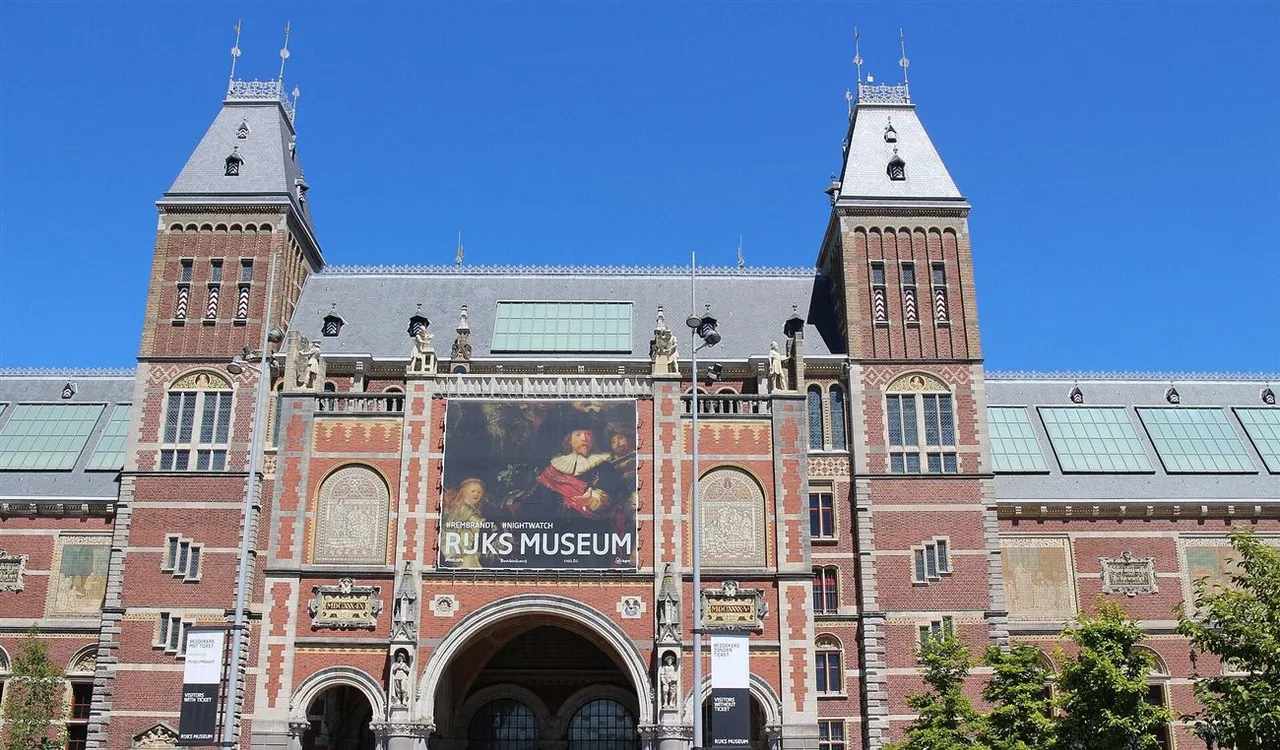
Take tram 2, 5 or 24 from Centraal to the Museumplein stop, the route the Van Gogh Museum lists for visitors. The Rijksmuseum shows more than 8,000 works of Dutch art and history, with Rembrandt's Night Watch and Vermeer's Milkmaid as the best-known names. The Gallery of Honour is a long corridor lined with 17th-century masterpieces in side alcoves, leading to the Night Watch Gallery. Booking a start time is required, including for Museumkaart holders. The garden around the building is free to enter, and the museum says the highlights can be seen in about an hour if you are short of time.
Afternoon: the Van Gogh Museum and the Stedelijk
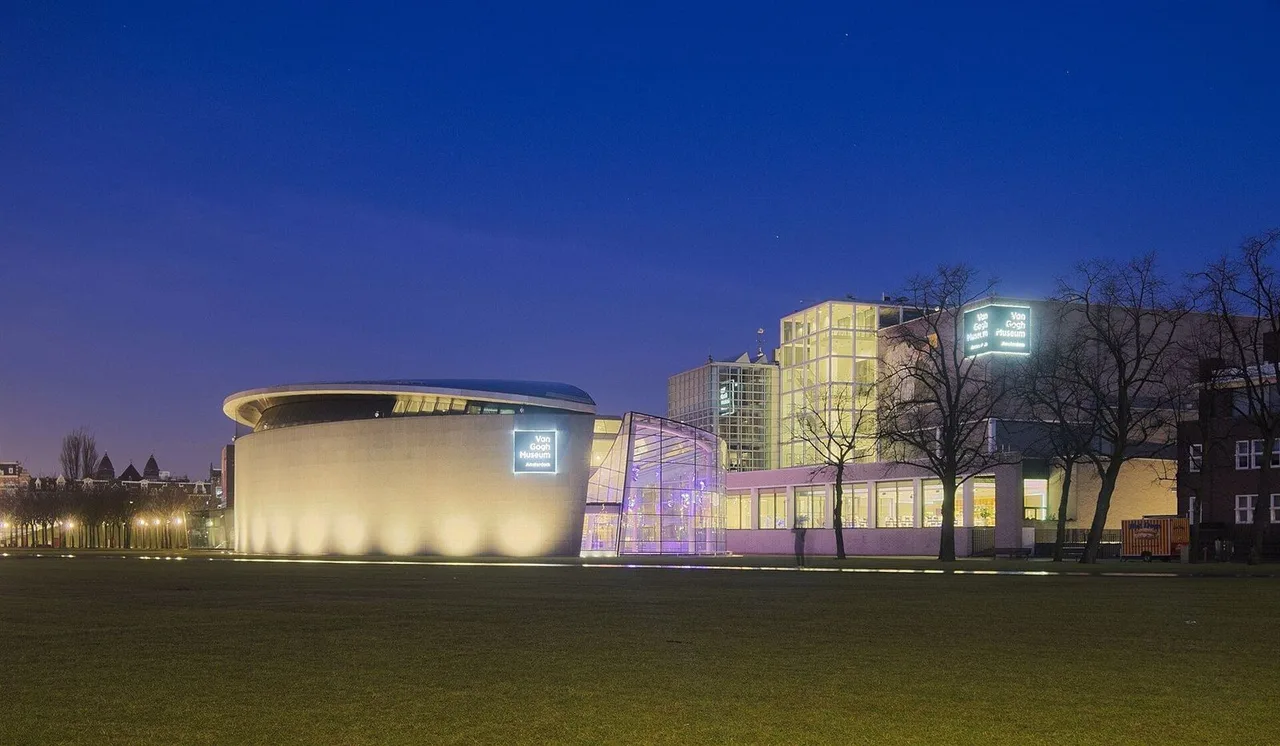
The Van Gogh Museum is at Museumplein 6. Tickets are available online only, and everyone needs a start time. A ticket covers the permanent collection and the current temporary exhibitions, and an audio guide in twelve languages can be added. The museum warns that fake ticket sellers exist, so buy only on its own website or from the resellers it names. The Stedelijk Museum stands across the square and covers modern and contemporary art and design. Its Don Quixote Sculpture Hall, shop and two ground-floor cafés need no entrance ticket, and backpacks go in the lockers.
Evening: by bike or tram
Rent a bicycle near Centraal or Leidseplein, where I amsterdam says rental shops cluster and hire often starts from three hours. Ride back through the canal ring once the rush hour is over, because the city's cycling page warns of long queues at junctions in the morning and evening peaks. By law you need front and back lights after dark, tram rails should be crossed at a sharp angle, and bikes left outside racks can be removed to the Bicycle Depot. If you would rather not ride in traffic, tap in on a tram and sit by the window instead.
If it rains, on a budget, with kids
If it rains
Day 2 is already indoors. On Day 1, swap the pavement for the Anne Frank House, a canal house museum or the Grachtenmuseum. The Westerkerk regularly hosts lunchtime concerts, according to I amsterdam.
On a budget
The canal ring costs nothing to walk. The Rijksmuseum garden is free, as are the Stedelijk's shop and Don Quixote Sculpture Hall. I amsterdam says its City Card bundles public transport, a 24-hour bike rental, a canal cruise and entry to over 70 museums, so compare it with your list.
With kids
The Houseboat Museum on the Prinsengracht is a compact converted cargo boat that shows life on the water. The Van Gogh Museum site has a section for children, and entry is free under 18 there and under 19 at the Stedelijk.
Day trip or a third day
Rail makes Belgium an easy third day, and NS International sells the tickets.
Antwerp
NS International lists a direct train of approximately 1 hour 15 minutes from Amsterdam. Antwerp in 2 days gives the full city plan.
Brussels
The Eurostar takes just under two hours from Amsterdam Centraal, per NS International, and Eurocity Direct trains run up to 16 times a day. Brussels in 2 days covers what to do on arrival.
Bruges
NS International puts the trip from the Randstad at about three hours, so it suits a full third day rather than a quick return. Bruges in 2 days explains the medieval centre.
Practical tips
Book four things ahead: the Rijksmuseum start time, the Van Gogh Museum ticket, the Stedelijk ticket and the Anne Frank House slot. The Anne Frank House releases tickets every Tuesday at 10:00 CEST for a visit six weeks later. The three big museums are open daily at the time of checking, but hours change through the year.
Bicycle lanes are for bikes, so on foot keep to the pavement and look both ways at every cycle crossing.
For accessibility, the Van Gogh Museum states it is accessible to visitors with disabilities and offers a Sunflower Lanyard. GVB publishes which stops and trams lack ramps, as the I amsterdam tram page points out.
Frequently asked questions
How far ahead should I book the Anne Frank House?
The museum releases tickets every Tuesday morning for a visit six weeks later and sells them only online for a set date and time. Nothing is sold at the door. If you want a specific day, set a reminder for the matching Tuesday and book as soon as slots open.
Which tram goes from Centraal to Museumplein?
The Van Gogh Museum lists tram 2, 5 or 24 from Amsterdam Central Station, getting off at the Museumplein stop. The Rijksmuseum stands on the same square, so one stop serves both.
Can I pay for trams with my bank card?
Yes, in most cases. I amsterdam says you can check in and out on trams, buses, metro and trains with a contactless debit card, credit card or phone, with no app needed. Daily GVB charges on a card are capped.
Is a bike better than the tram here?
For the canal ring, a bike reaches narrow streets quickly, and I amsterdam counts up to 400 kilometres of cycle paths. If traffic worries you, trams are less stressful. Weekday rush hours are the busiest time on two wheels, and the cycling page advises waiting them out.
More city guides
- Antwerp in 2 days: direct train to the south.
- Brussels in 2 days: reached by Eurostar.
- Bruges in 2 days: a medieval canal town.
- Paris in 2 days: further along the Eurostar line.
- London in 2 days: another capital by direct train.