Berlin in 2 days works best as two walks with two different questions: what did Prussian and imperial power build, and what did the division of the city leave behind? This plan suits first-time visitors who like history and are happy to mix long walks with the S-Bahn and U-Bahn. Day one runs from the Reichstag to Museum Island, day two follows the Wall from Bernauer Straße to the East Side Gallery. One detail matters for 2026 and 2027: the Pergamon Museum is closed for renovation, so the museum time below is built around the other buildings on the island.
Quick facts
- Country and region: Germany, in the city-state of Berlin in the north-east of the country.
- Main airport: Berlin Brandenburg Airport (BER), south of the centre, with a railway station under the terminal.
- Main station: Berlin Hauptbahnhof, on the edge of the government quarter.
- Getting around: U-Bahn, S-Bahn, trams, buses and ferries run by BVG and S-Bahn Berlin; the Day 1 sights are walkable.
- Currency: euro (EUR).
- Language: German; English is common in museums and hotels.
- Time zone: Central European Time (UTC+1), with summer time from spring to autumn.
- Best months: April to June and September to October.
Best time to visit
Late spring and early autumn give the easiest sightseeing: long daylight, mild temperatures and open-air stops such as the Wall Memorial that are pleasant to walk. July and August can be hot, and the museums fill up on wet days. In December daylight is short, so schedule indoor stops for the afternoon and keep the Brandenburg Gate for the first hours of light. Large events, among them the Berlin Marathon in September and the Festival of Lights in October, change crowd levels and hotel demand, so check the official event calendar on visitBerlin before fixing dates.
Getting there and around
From the airport, trains leave from the station under the terminal. The BER rail page lists Deutsche Bahn long-distance and regional services plus the S-Bahn, and the fast Airport Express reaches the city centre in roughly 25 minutes. Check the BER train page for the current pattern and which fare zones your ticket must cover.
Berlin Hauptbahnhof is the rail hub for Deutsche Bahn ICE and Intercity trains from Hamburg, Munich and Dresden, and for EuroCity services towards Prague. Inside the city, BVG sells tickets in its Fahrinfo and Ticket apps, and one ticket works on U-Bahn, tram, bus and ferry within the chosen zones.
Distances matter more than lines on day one. The Reichstag and the Brandenburg Gate are a few minutes apart on foot. From the gate, Unter den Linden leads east to Museum Island in about 25 minutes. Day two needs transport: the S-Bahn to Nordbahnhof for Bernauer Straße, then a ride towards Ostbahnhof for the East Side Gallery.
Where to stay
Mitte puts you beside the Reichstag, Unter den Linden and Museum Island, with Friedrichstraße and Hackescher Markt stations close by. It is the sensible base for a first visit and for arriving late by rail.
Prenzlauer Berg sits north of the centre, with tree-lined streets, cafés and a short ride to Bernauer Straße. It suits visitors who prefer a residential evening after a day of sights.
Friedrichshain-Kreuzberg is the pick for the East Side Gallery, the Oberbaumbrücke and a longer nightlife stretch. Expect a longer commute to the Reichstag, but the U1 and S-Bahn lines cover the distance without changes in most cases.
Day 1: Imperial Mitte and Museum Island
Morning: Reichstag and Brandenburg Gate
Start at the Reichstag, where the glass dome and roof terrace are free but need advance registration with the Bundestag. Its registration page says visitors give names and dates of birth and show photo ID. It also lists maintenance closures of the dome, including 19 to 30 October 2026, when only the roof terrace stays open.
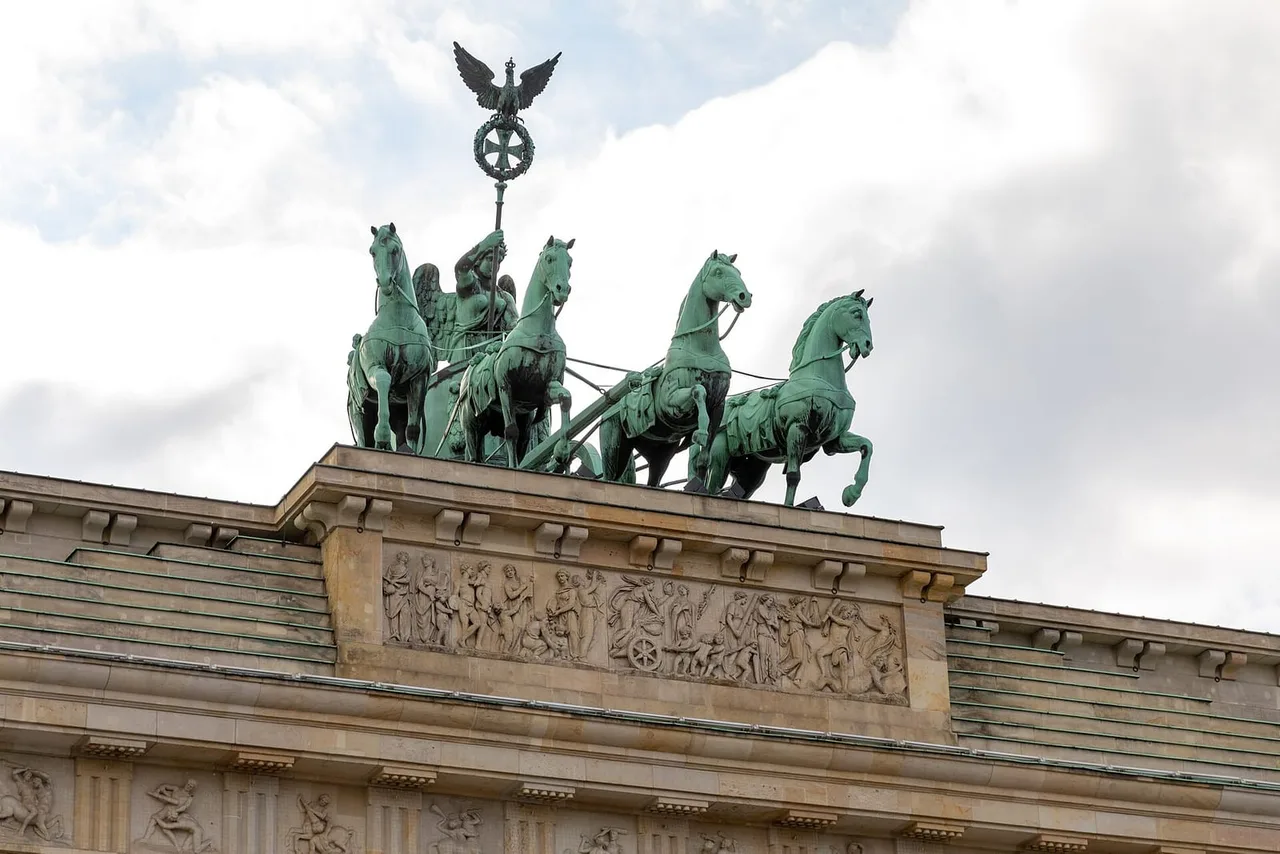
Walk five minutes to the Brandenburg Gate. visitBerlin records that it was built between 1788 and 1791 by Carl Gotthard Langhans, is 26 metres high and carries the Quadriga added in 1793. During the division of the city it stood in the border zone of the Wall. The Berlin Tourist Info in its south wing is a handy place to pick up maps. The Memorial to the Murdered Jews of Europe lies just to the south and belongs in this walk.
Afternoon: Museum Island
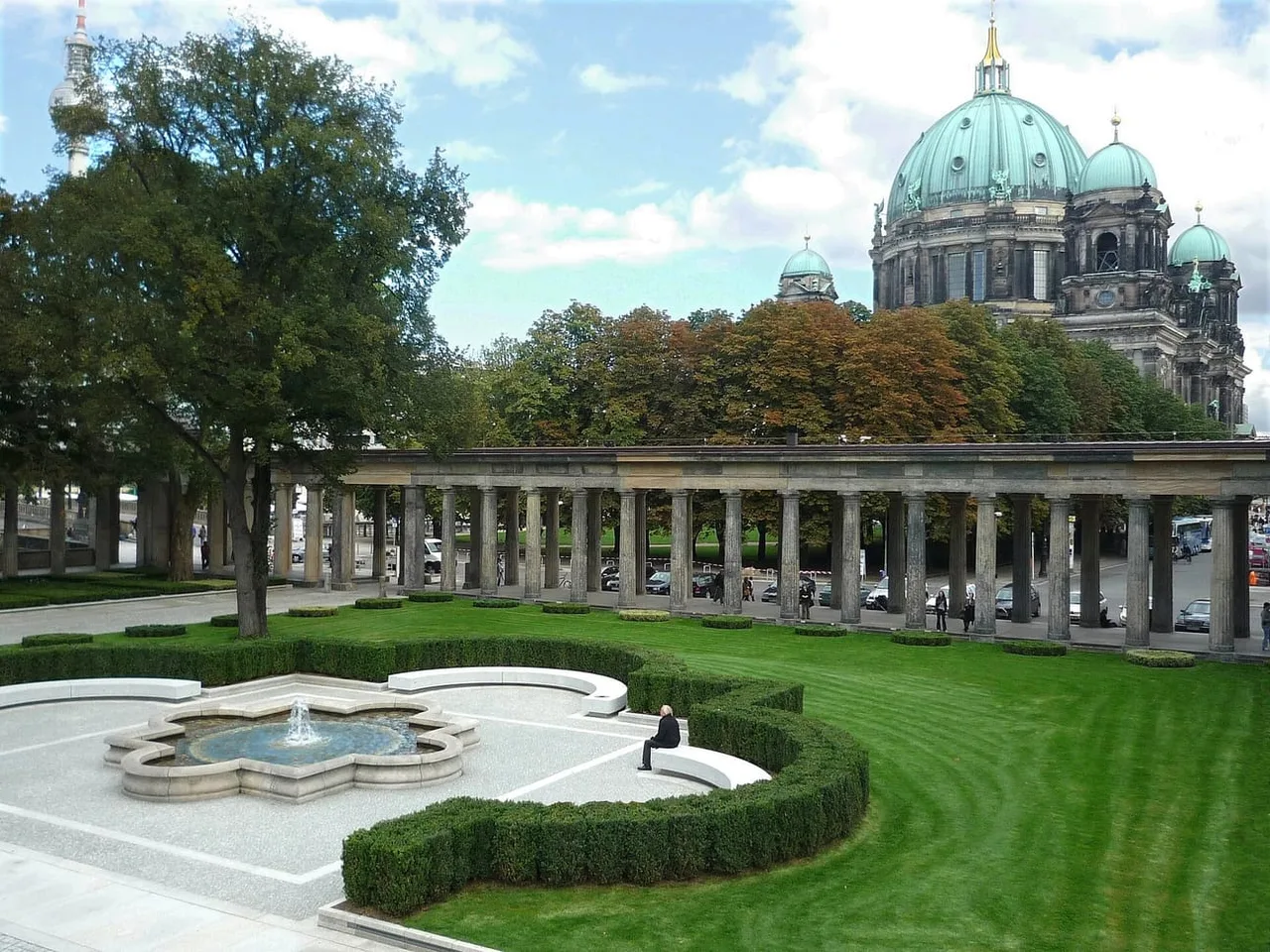
Follow Unter den Linden east to Museum Island. UNESCO describes five museums built between 1824 and 1930 as one ensemble. Choose two, not five. The Neues Museum holds Egyptian collections, the Alte Nationalgalerie covers nineteenth-century painting, the Altes Museum has its rotunda, and the Bode-Museum sits at the island's tip. The Pergamon Museum is closed, and berlin.de says the hall with the Altar should reopen in spring 2027. The asisi Pergamon Panorama stays open.
Evening: Hackescher Markt
Cross the river by Friedrichstraße or the Spree footbridges to Hackescher Markt. The courtyards (Höfe) off Rosenthaler Straße and the lanes around Oranienburger Straße hold plenty of places to eat. The S-Bahn at Hackescher Markt takes you back to most hotels without a change.
Day 2: The divided city, Bernauer Straße to the East Side Gallery
Morning: Berlin Wall Memorial
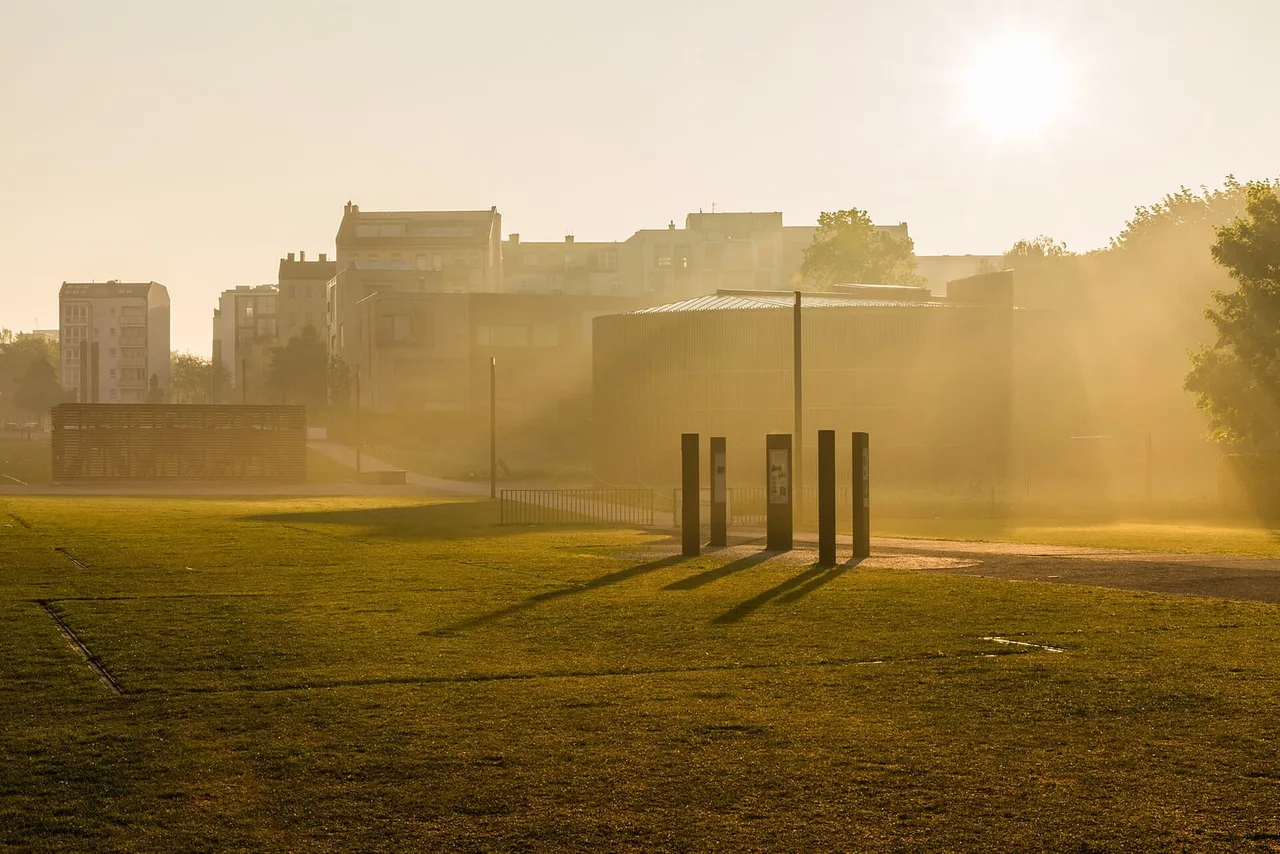
Take the S-Bahn to Nordbahnhof and begin at the Berlin Wall Memorial on Bernauer Straße. The Berlin Wall Foundation organises the site around the wall on the street, the divided street, the victims and the fall of the Wall, with exhibitions and a digital guide for your phone. Allow a good two hours; most of it is outdoors along the former border strip, so dress for the weather. Read the street first as a place where people lived: the foundation's material follows how a single road was cut in two and what happened to the people on it, which gives the later stops on this day their meaning.
Afternoon: Checkpoint Charlie and the East Side Gallery
The same foundation lists Checkpoint Charlie and the East Side Gallery among its sites. Pass Checkpoint Charlie briefly for the context, then continue east to Ostbahnhof and the East Side Gallery on Mühlenstraße, a stretch of surviving Wall covered with murals. Walk it towards the Oberbaumbrücke, the double-deck brick bridge across the Spree at the far end. The gallery is an open-air strip along a busy road, so expect to share the pavement; early afternoon light is usually better on the river side than late in the day. Count on about an hour for the full length including photo stops, and use the benches by the river rather than pushing for every mural.
Evening: Kreuzberg
Cross the Oberbaumbrücke on foot into Kreuzberg. The Landwehrkanal towpaths are good for a slow walk, and Markthalle Neun is a market hall that serves dinner on some days; confirm its schedule before you rely on it. Return by U1 from Schlesisches Tor. If energy is low, skip the canal and eat near your hotel; day two has already covered a lot of ground.
If it rains, on a budget, with kids
If it rains
Swap the open-air memorial for museums. The Neues Museum and Altes Museum can fill half a day, and the Wall Memorial has indoor exhibitions near the visitor centre. Book timed tickets on the Staatliche Museen zu Berlin site.
On a budget
Several of the best stops are free: the Reichstag dome with registration, the Brandenburg Gate, Pariser Platz, the Memorial to the Murdered Jews of Europe and the outdoor Wall Memorial. The Berlin WelcomeCard combines transport with discounts, and one version adds Museum Island, so compare it with single tickets on the visitBerlin page before buying.
With kids
Tiergarten park, close to the Brandenburg Gate, gives children room to run between sights. The Reichstag dome ramp holds young attention, but the registration rules apply to every visitor. The Wall Memorial deals with death and loss, so judge it by age.
Day trip or a third day
Potsdam
About 30 minutes by regional train or S-Bahn. Sanssouci and the Prussian palaces form a UNESCO landscape with long park walks.
Dresden
Around two hours by EuroCity or ICE. Dresden in 2 days covers the rebuilt Frauenkirche, the Zwinger and the Semperoper, which makes a full day on its own.
Hamburg
Roughly two hours by ICE. Hamburg in 2 days explains the Speicherstadt warehouses and the Elbphilharmonie.
Practical tips
Register for the Reichstag dome as early as your dates are fixed. Slots go quickly in the main season, and the dome closes for maintenance now and then. Pre-book timed museum entry through the Staatliche Museen zu Berlin and read the details of each building, because opening days differ.
At memorial sites, keep voices low, do not climb on remaining Wall segments and treat murals as artworks that can be damaged. BVG publishes its network and accessibility information on bvg.de, and the museum pages list step-free access for each building.
Frequently asked questions
Can the Pergamon Altar be seen in 2026?
No. The Pergamon Museum is closed for renovation, and berlin.de states that the hall with the Altar should reopen in spring 2027. In the meantime the asisi Pergamon Panorama remains open, and the other four Museum Island buildings take the time you would have spent there.
Do I need to book the Reichstag dome before I arrive?
Yes, plan on it. Admission is free, but the Bundestag requires registration with full names and dates of birth, and it checks photo ID on arrival. A service centre near the building can sometimes issue same-day confirmations, subject to free places and a two-hour lead time.
Which Wall site should I choose if I only have time for one?
Choose Bernauer Straße if you want history and context: it keeps a preserved border strip, exhibitions and a digital guide. Choose the East Side Gallery if you want the painted sections and a riverside walk. This plan pairs them because they ask different things of you.
How do I get from BER to Mitte without a taxi?
Use the train from the station under the terminal. The Airport Express and regional trains reach the central station in roughly 25 minutes, and S-Bahn services also run. Buy a ticket valid for the right zones before boarding, and check the BER rail page for disruptions.
More city guides
- Dresden in 2 days: rebuilt baroque on the Elbe, about two hours south by train.
- Hamburg in 2 days: a harbour city with a warehouse district, close to two hours north-west.
- Prague in 2 days: a castle hill and Old Town reachable on the EuroCity via Dresden.
- Warsaw in 2 days: a capital rebuilt after the war, east along the same rail axis.
- Munich in 2 days: Bavaria's capital, the other long-distance ICE stop in this batch.