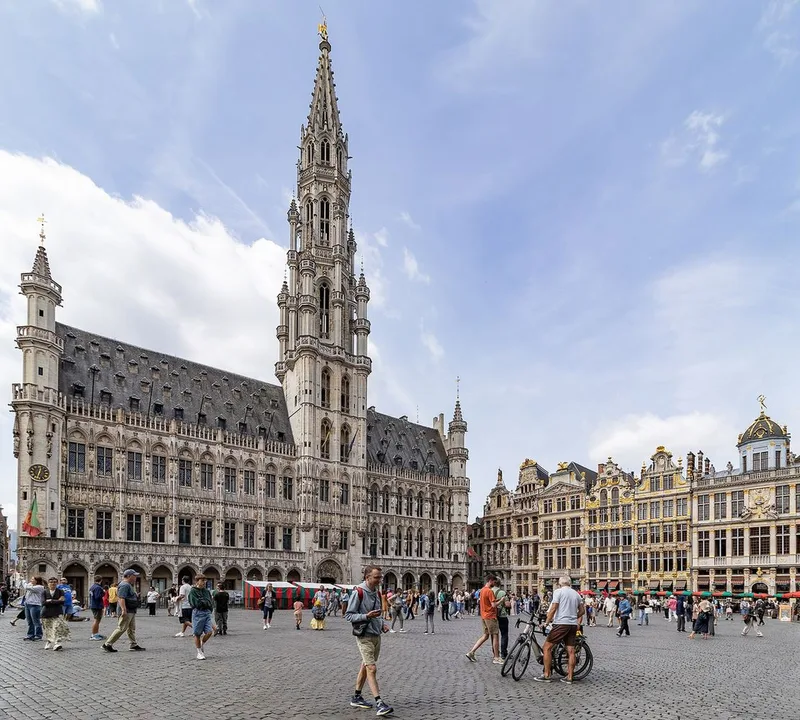
Brussels in 2 days works best as two contrasting walks: a compact first day around the gilded Grand-Place and the comic-strip walls of the old centre, then a second day for Magritte, the Mont des Arts and the Atomium. It suits first-time visitors who arrive by train and like a capital where every sign comes in two languages. Locals write Bruxelles in French and Brussel in Dutch. The city is also one of three official seats of the European institutions, with Luxembourg City and Strasbourg, as the EU's Belgium profile explains. The reason to go: a guild-house square rebuilt after 1695, the largest Magritte collection in the world, and a 102-metre model of an iron crystal.
Quick facts
- Country and region: Belgium, in the Brussels-Capital Region.
- Main airport: Brussels Airport (BRU); direct trains reach the centre in about 17 minutes.
- Main station: Brussels-Midi/Zuid for international trains; Brussels-Central and Brussels-North also serve the centre.
- Getting around: walk the old centre; use the STIB metro, tram and bus beyond it.
- Currency: euro (EUR).
- Language: French and Dutch, both official in the capital region.
- Time zone: CET (UTC+1), with CEST (UTC+2) from late March to late October.
- Best months: April to June and September to October.
Best time to visit
April to June and September to October are the easiest months: the old centre suits walking and the outdoor events on the Grand-Place cluster in summer and early autumn. Winter days are short, but the Galeries Royales Saint-Hubert and the museums keep a plan intact.
The City of Brussels says a flower carpet covers the Grand-Place every 2 years, and the 2026 edition took place in mid-August. According to visit.brussels, the Ommegang costume parade runs over two evenings at the end of June or the start of July, and the Belgian Beer Weekend fills the square on the first weekend of September. Dates move, so check the City of Brussels flower carpet page and the visit.brussels beer pages.
Getting there and around
Brussels Airport (BRU) has its own station. Visit.brussels describes direct trains to Brussels-North, Brussels-Central and Brussels-South, and a STIB airport bus line to the European district. Its airport page also covers Charleroi, which needs a bus plus a train.
Brussels-Midi/Zuid is the hub for international services. Eurostar's help page says to connect there for London and Paris, and SNCB International advertises Amsterdam in two hours on EuroCity Direct. Visit Bruges also lists high-speed trains from Lille, Cologne and Paris, plus night trains from Vienna and Berlin. Confirm times in the Eurostar station guide and the SNCB app.
Inside the city, STIB runs metro, tram and bus. Each station has a contactless bank-card reader, and the Brupass covers STIB, TEC, De Lijn and SNCB in the Brussels zone. The old centre needs no transport: Manneken-Pis is about five minutes from the Grand-Place on foot, Place Royale roughly fifteen. Only the Atomium needs public transport.
Where to stay
The Lower Town around the Grand-Place puts day one at your door. UNESCO calls the surrounding blocks the "sacred island", a dense historic fabric under commercial pressure. Expect small rooms and lively streets.
The Upper Town near Place Royale and the Mont des Arts suits art-minded visitors. The Magritte Museum and the Musical Instruments Museum are a few minutes apart, and evenings are calmer.
Around Brussels-Midi/Zuid you trade atmosphere for logistics. Eurostar, the other international trains and the airport line all call here, so it fits a dawn departure. Cantillon brewery is close, and the Grand-Place is a short metro or local train hop away.
Day 1: Gold, comics and beer in the old centre
Morning: Grand-Place and Manneken-Pis
Start at the Grand-Place. UNESCO says Louis XIV's troops bombarded it in 1695, and that the rebuilding, overseen by the City Magistrate, was spectacular for its speed. The Hôtel de Ville, in Brabant Gothic with a tall bell tower, dates to the early 15th century. Opposite stands the King's House, now the City Museum. The guild houses carry gilded details, and UNESCO notes the square has no church. One house has held the Brewers' Guild since the 17th century and now hosts the Belgian Brewers Federation.
Walk to Manneken-Pis, about five minutes away. The City of Brussels says the statue began as a fountain in the 15th century, survived the 1695 bombardment, and now has a wardrobe of more than 900 costumes. Return through the Galeries Royales Saint-Hubert, an arcade that UNESCO dates to 1847, designed by A. Cluysenaar.
Afternoon: the Comic Art Museum and the murals
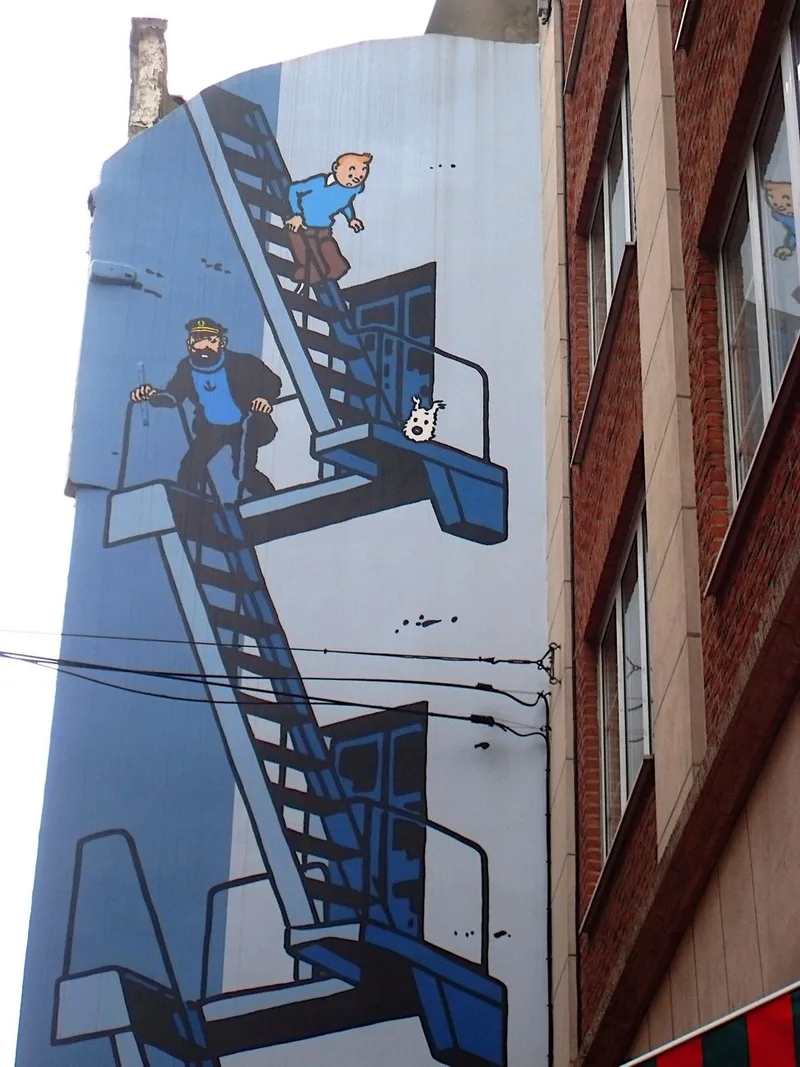
The Comic Art Museum stands a few steps from the Grand-Place, in a building Victor Horta created in 1906. It opened in 1989 and covers 4,200 square metres. Visit.brussels says the city has added comic murals since 1991 and now counts over 80. Follow a few on foot, such as the Tintin and Captain Haddock stairway on Rue de l'Étuve. QR-code texts now give context for the oldest walls, a project the city began in 2021.
Evening: a former stock exchange and a beer
Finish at Belgian Beer World, in the upper floors of the renovated Bourse. Visit.brussels describes an experience centre on Belgian beer culture, which UNESCO listed in 2016, ending with a drink at the Beerlab and a panoramic view. Afterwards, look for the Théâtre Royal de Toone, a rod-puppet theatre in a cul-de-sac near the Grand-Place. Check its programme first, since some plays are adapted into English.
Day 2: Surrealism, music and the Atomium
Morning: Place Royale and the Mont des Arts
Book a Magritte Museum ticket online. The museum says its Place Royale entrance is reserved for ticket holders, while others go to the desk at Rue de la Régence 3. It shows about 230 works and archives, holds the largest Magritte collection in the world, and has the most important group from his "vache" period. It is closed on Mondays.
Walk down to the Mont des Arts, a few minutes away. The Musical Instruments Museum occupies the Art Nouveau Old England building and spreads its collection over four floors. Allow an hour or two for each museum.
Afternoon: the Atomium
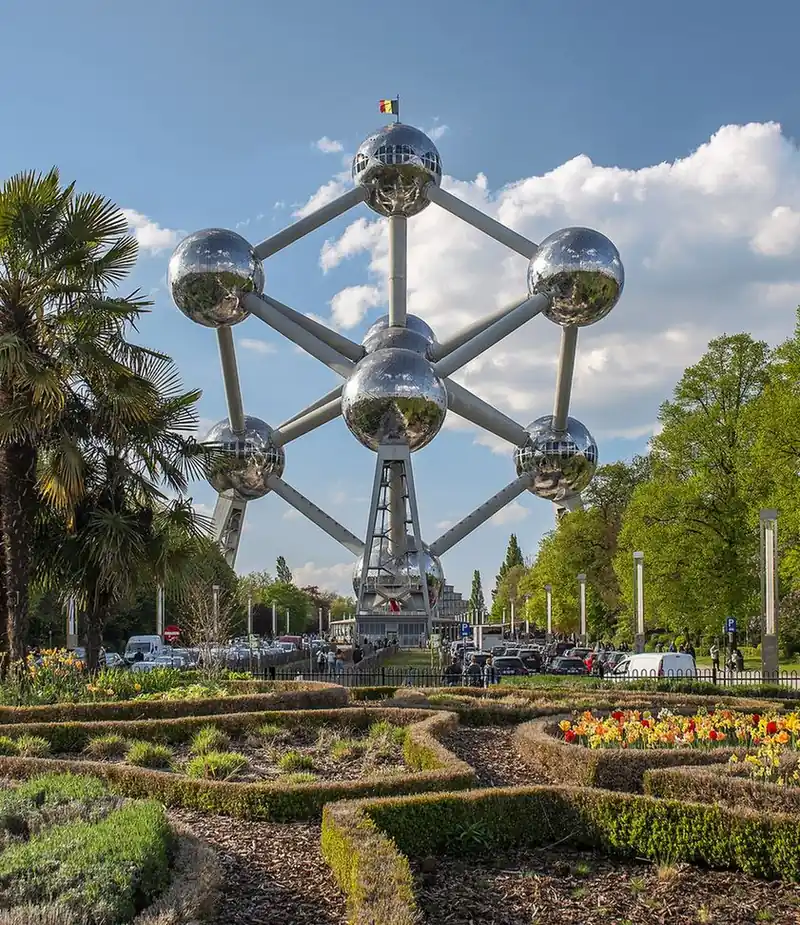
Travel by public transport to the Atomium. André Waterkeyn designed it for the 1958 World Fair as an iron crystal enlarged 165 billion times. It is 102 metres tall, with nine spheres of 18 metres across, linked by 20 tubes. Five spheres are open today: the base sphere holds the permanent exhibition on 1958, one hosts temporary shows, and the top sphere has a restaurant and a viewpoint. The Atomium also runs the Design Museum Brussels. The City of Brussels Atomium page gives the figures; check the Atomium's own site for tickets. Prefer architecture to engineering? Swap in the Horta Museum, the Art Nouveau house-workshop that UNESCO lists, and keep the Atomium for another visit.
Evening: Cantillon and the station
Head to Cantillon, a brewery in Anderlecht founded in 1900, which still makes gueuze and other beers in the traditional way. Visit.brussels places it a stone's throw from Brussels-South station, so it fits before a night train or Eurostar. Check the brewery's own site for visiting days.
If it rains, on a budget, with kids
If it rains
Pick the Galeries Royales Saint-Hubert, the Comic Art Museum, the Magritte Museum, the Musical Instruments Museum and Belgian Beer World. The Horta Museum is the house-workshop that UNESCO lists among Horta's major town houses, and UNESCO calls it the only one of the group widely open to the public.
On a budget
The Grand-Place, the comic murals and the Atomium's exterior cost nothing. The two-kilometre Ommegang procession is free to watch, says visit.brussels. The Brussels Card gives access to more than 40 museums, with optional transport and Atomium add-ons.
With kids
The Brussels Comics Figurines Museum shows thousands of figurines, from the Smurfs to Tintin on the Moon. The Art & History Museum holds the statuette and Inca mummies that inspired two Tintin albums, and Autoworld next door has Tintin displays.
Day trip or a third day
Bruges, about 1 hour by train
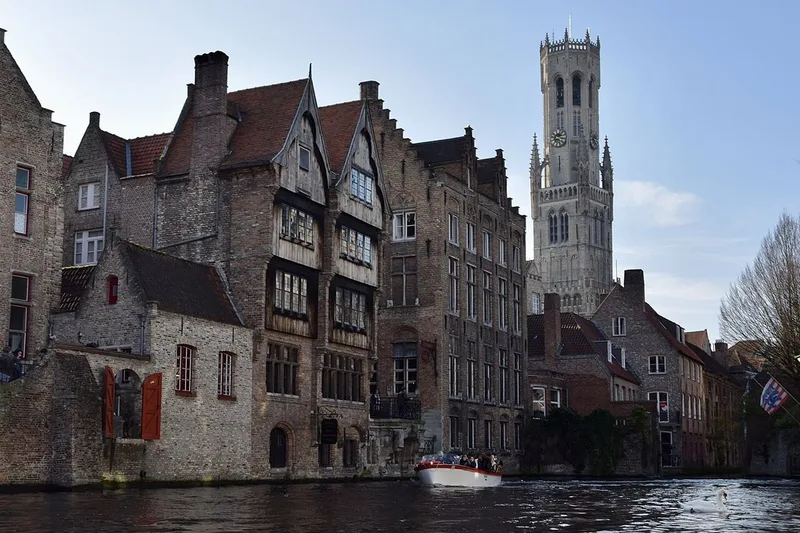
Visit Bruges says three trains an hour run from Brussels-South to Bruges, taking about an hour. Bruges offers canals and a belfry in a small medieval centre.
Antwerp, by direct train
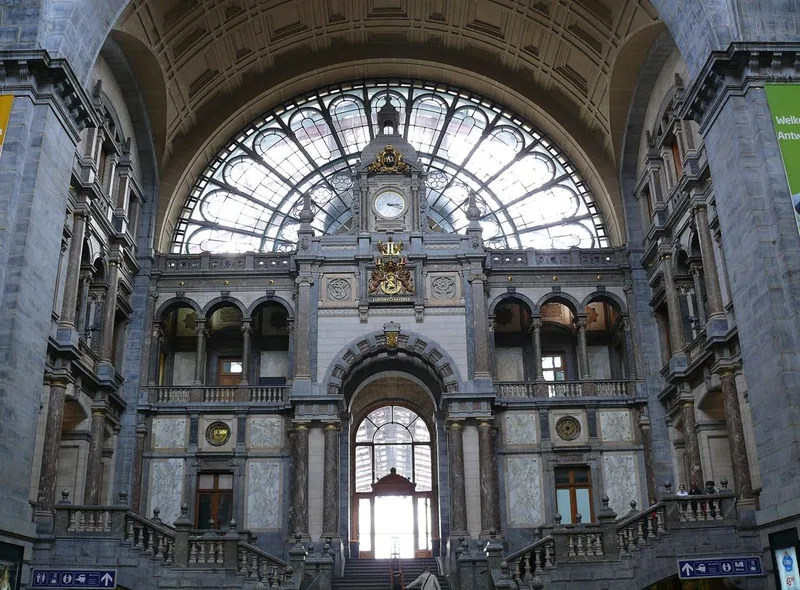
Antwerp is a short intercity ride, well under an hour. Check the SNCB planner for departures.
Louvain-la-Neuve, for Tintin's creator
The Hergé Museum in this Walloon Brabant university town, about 30 kilometres away, holds archives and original plates from the father of Tintin. Go by train and check the SNCB planner.
Practical tips
- Book the Magritte Museum online. Its official page lists closing days of Monday, 1 January, 1 May, 1 and 11 November and 25 December.
- Expect bag rules and extra security checks at the royal museums.
- Look for both names on station boards, for example Midi and Zuid.
- Pay for STIB with a contactless bank card, or use a MOBIB card.
- Check the Atomium, Cantillon and Toone on their own sites for tickets and visiting days.
- Accessibility: visit.brussels gathers guidance in its accessibility pages.
Frequently asked questions
Which Brussels station do trains from London and Paris use?
Eurostar uses Brussels-Midi/Zuid and tells passengers to connect there for London or Paris. For the Grand-Place, continue by local SNCB train to Brussels-Central, or take the metro with the STIB app.
Why does the Grand-Place have no church?
UNESCO describes it as a rare square without any place of worship, which underlines its mercantile and administrative role. The Hôtel de Ville, the King's House and the guild houses face each other instead.
Can I go inside the Atomium?
Yes, five of its nine spheres are open. The City of Brussels says one hosts the permanent exhibition, one hosts temporary shows, and the highest has a restaurant and viewpoint. Confirm tickets on the Atomium's official site.
Is the comic trail one single route?
Visit.brussels calls it the comic strip trail, with over 80 murals added since 1991. You need not walk them all. Choose a few near the old centre and add the Comic Art Museum, whose building dates to 1906.
More city guides
- Antwerp in 2 days: a short intercity ride north.
- Bruges in 2 days: canals and a belfry, about an hour by train.
- Amsterdam in 2 days: two hours on EuroCity Direct.
- Paris in 2 days: a Eurostar link from Brussels-Midi.
- Cologne in 2 days: Eurostar and ICE connect it with Brussels.
- London in 2 days: Eurostar from Brussels-Midi to St Pancras.