London in 2 days only works if you stop trying to cover the whole city and choose two stretches of the Thames instead. This itinerary suits first-time visitors who are happy to walk for most of the day and want the big sights in a sensible order: royal and parliamentary Westminster first, then the Tower, the medieval City and the South Bank. The case for going is concrete. Two UNESCO-listed sites, the Palace of Westminster with Westminster Abbey, and the Tower of London, stand on the same river, and several national galleries do not charge for their permanent collections.
Quick facts
- Country and region: United Kingdom, England (Greater London).
- Main airport: London Heathrow (LHR), joined to the centre by the Elizabeth line, the Piccadilly line and the Heathrow Express.
- Main stations: Paddington, King's Cross, St Pancras International, Euston, Waterloo and Victoria, each serving different routes.
- Getting around: Tube, Elizabeth line, buses and long walks; river boats also run on the Thames.
- Currency: pound sterling (GBP).
- Language: English.
- Time zone: UK time, GMT in winter and BST in summer.
- Best months: April to June, September to October.
Best time to visit
Spring and early autumn give the best balance of daylight, mild walking weather and manageable crowds. Daylight is the main variable. In midwinter it fades before 4:30 pm, which shortens a river-walk itinerary, while June evenings stay light well past 9 pm. July and August bring school-holiday queues at the Tower and the Abbey, and the Tube can feel warm. Winter has its own case: indoor galleries, theatre and Christmas lights. Big events change the crowd picture, among them Trooping the Colour in June, Notting Hill Carnival over the late-August bank holiday weekend and Open House London in September, so check each official calendar before fixing dates.
Getting there and around
Heathrow is the main gateway. The Elizabeth line runs from the airport through Paddington, Bond Street and Tottenham Court Road to the City, the Piccadilly line reaches Covent Garden and King's Cross St Pancras without a change, and the Heathrow Express is the fast rail option to Paddington. Heathrow's transport page lists the rail, bus and coach options. Gatwick, Stansted, Luton and London City have their own rail links, which National Rail covers. Eurostar trains from the continent arrive at St Pancras International; domestic services use the other terminals above.
Inside the city, Transport for London runs the Tube, Elizabeth line, Overground and buses. Check its site for live status and step-free access. Distances are shorter than the map suggests: Westminster Tube station is about 300 metres from the Abbey, and Tate Modern is about 300 metres from Blackfriars station. Plan on walking five to ten kilometres a day.
Where to stay
Choose by what you will do in the evenings. Bloomsbury and Covent Garden suit first-timers: you can walk to the British Museum, Trafalgar Square and the West End theatres, and King's Cross St Pancras and Euston are close for onward trains. The South Bank and Southwark put Tate Modern, the Thames Path and London Bridge on your doorstep, with the Jubilee line to Westminster. South Kensington is calmer after dark, sits beside the museum quarter and has a direct Piccadilly line ride to Heathrow, a plus for early flights. We recommend booking by area first, then checking the Tube map for the nearest station to your first morning stop.
Day 1: Royal and parliamentary Westminster
Morning: Parliament, the Abbey and St James's Park
Start at Westminster Tube station and step out onto Westminster Bridge for the full view of the Palace of Westminster and its clock tower. UNESCO describes the Palace, Westminster Abbey and St Margaret's Church as one ensemble beside the Thames, with Parliament still sitting in the palace and the Abbey still the place where monarchs are crowned, married and buried. Book the Abbey ahead; its site recommends advance booking at busy times and sets a bag limit of 55 x 40 x 20 cm. Saturday hours are shorter than weekdays and Sunday is for services, so check the page for the date you pick.
From the Abbey, cross Parliament Square into St James's Park and walk the lakeside path towards Buckingham Palace, a stroll of roughly fifteen minutes. The Royal Parks site covers park hours and events.
Afternoon: The Mall to Trafalgar Square and the National Gallery
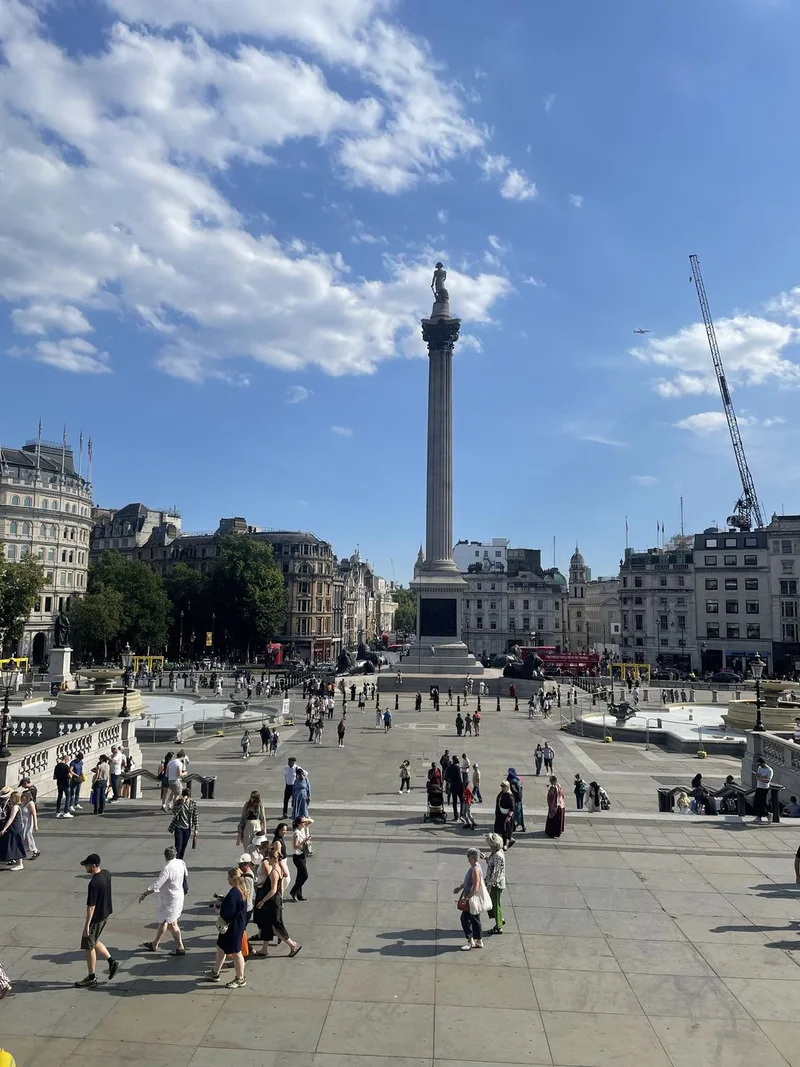
Walk the length of The Mall, passing under Admiralty Arch into Trafalgar Square, where Nelson's Column rises above the fountains. The National Gallery on the north side is free to enter, with a free ticket available for fast-track entry. Work on a new research centre means some rooms are closed and paintings have moved, so check the website for the current room of any single picture you have come to see. Allow two hours; the Impressionist and Italian rooms reward a short, selective visit better than a full lap.
Evening: Covent Garden and the West End
Cover the ten minutes to Covent Garden on foot and keep the evening loose. The West End theatres around Shaftesbury Avenue and Leicester Square sell tickets through their own box offices and official venue sites. If you would rather skip a show, walk back along the Embankment after dark to see Parliament lit up from the bridge you crossed that morning.
Day 2: The Tower, the City and the South Bank
Morning: Tower of London and Tower Bridge
Take the District or Circle line to Tower Hill and aim to arrive at opening. The UNESCO entry explains why the site matters: William the Conqueror built the White Tower in 1066, it is the most complete 11th-century fortress palace left in Europe, and the Crown Jewels have been kept here since the 17th century. Historic Royal Palaces runs the site and sells timed entry on its own website, so book there rather than through resellers.
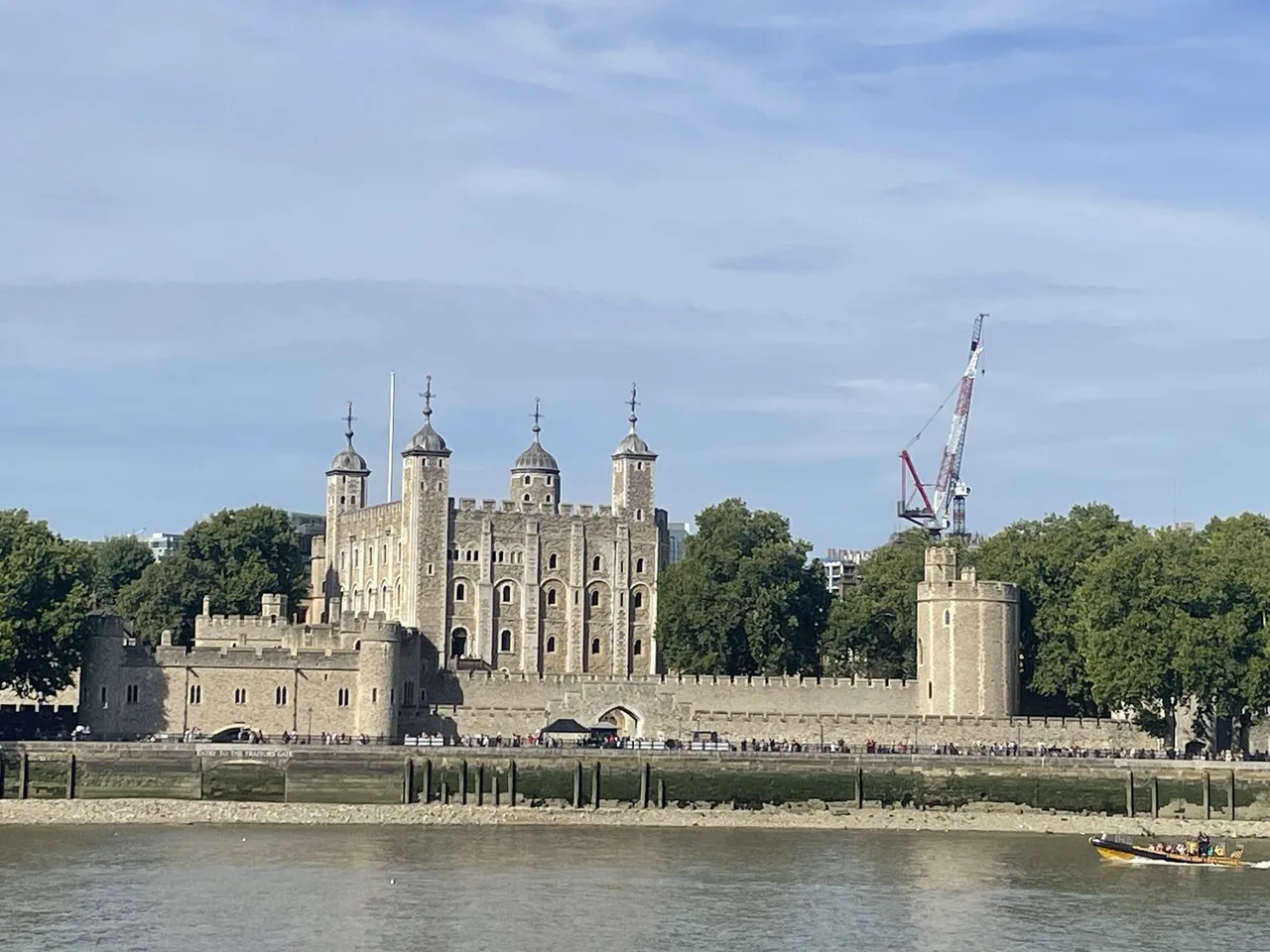
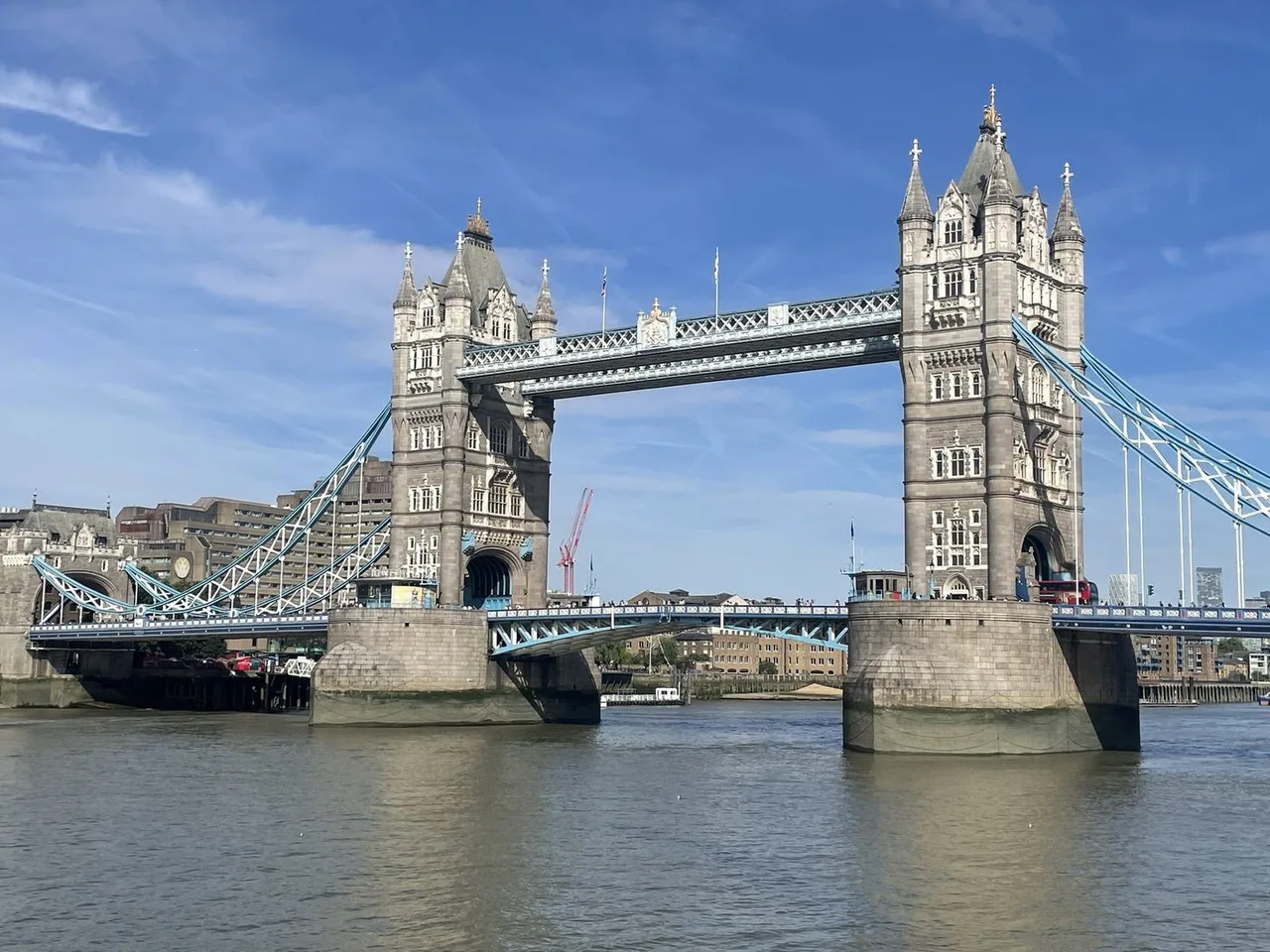
Give the fortress a full morning. The White Tower and the Crown Jewels are the anchors, and the wall walks add river views along the way. UNESCO also notes that the Tower supported national defence, record-keeping and coinage, which explains why it feels more like a small town of towers than a single castle. Leave by the river side and walk onto Tower Bridge for the view back along the Thames, with the City skyline of glass towers rising behind the medieval stone.
Afternoon: South Bank walk, Tate Modern and St Paul's
Cross to the south side and follow the Thames Path west for about three kilometres. Borough Market near London Bridge makes a useful lunch stop. Continue to Tate Modern, whose collection is free; entry is by the Turbine Hall ramp, bags are checked on arrival and lockers are available. Then cross the Millennium Bridge on foot to St Paul's Cathedral, where sightseers can walk the cathedral floor, visit the crypt or climb the dome.
Evening: The river at dusk
Tate Modern stays open until 9 pm on Fridays and Saturdays, which makes it a quiet option at the end of a long day. Otherwise return to the water at Blackfriars and follow the South Bank walkway towards the London Eye and Westminster Bridge, so that the two days close on the same stretch of river that opened them.
If it rains, on a budget, with kids
If it rains
Museums are the answer. The British Museum in Bloomsbury holds the Rosetta Stone and the Parthenon sculptures; its permanent collection is the best wet-weather bet if you did not use Day 1 for the National Gallery. The Natural History Museum in South Kensington opens daily from 10 am to 5:50 pm, and Tate Modern and the National Gallery both have enough rooms to fill a half day.
On a budget
The National Gallery and the Tate Modern collection are free, and the British Museum permanent collection has no admission charge, though timed free slots may apply. St Paul's runs free daily services, and the Thames Path, St James's Park and Trafalgar Square cost nothing. Spend your money on the two ticketed anchors, the Tower and the Abbey, and book them early so that dates remain open.
With kids
Westminster Abbey lets up to four children aged 11 and under in free with each parent or guardian. The Tower of London works well with younger visitors because it is a castle with walls to walk. Break the day with the open lawns of St James's Park, and use the Natural History Museum for a rainy afternoon.
Day trip or a third day
- Bath: about 90 minutes by train from Paddington, with Roman baths and Georgian crescents. Read Bath in 2 days for the plan.
- Paris: roughly two to two and a half hours by Eurostar from St Pancras, a workable long day. See Paris in 2 days for what to prioritise.
- Liverpool: around two to two and a half hours by direct train from Euston, best treated as an overnight. Our Liverpool in 2 days guide covers the waterfront, the cathedrals and the music story.
Practical tips
Book the Abbey and the Tower first, since they set the timing for everything else. Bags larger than 55 x 40 x 20 cm are refused at the Abbey and at Tate Modern, so travel light. The Abbey publishes a step-free route and has a mobility aid loan; TfL publishes a step-free Tube guide, and not every station is accessible. On Tube escalators stand on the right and let others pass on the left. Most major museums open daily, but the Natural History Museum lists 24 to 26 December as closed days, so check the festive calendar before a winter trip. Contactless payment works on TfL services; use the same card or device for each journey.
Frequently asked questions
Can I see the Tower of London and Westminster Abbey on the same day?
It is possible by Tube, but you will rush both. The Abbey and the Tower each fill a morning, and the District line between Westminster and Tower Hill takes only a few minutes. We recommend giving each its own morning, as this itinerary does, and using the afternoons for galleries and walks.
Which London museums need no ticket?
The National Gallery, the Tate Modern collection and the British Museum permanent collection do not charge for general entry. Special exhibitions usually do, and some museums ask you to book a free timed slot. The Natural History Museum and Westminster Abbey have separate admission rules, so check each official page before you go.
How do I get from Heathrow to Westminster without a taxi?
Take the Elizabeth line to Bond Street and change to the Jubilee line for Westminster, or ride the Piccadilly line to Green Park and change to the Jubilee line there. Both routes involve one change. Allow around an hour, and check TfL for any planned works on the day you travel.
Is the Thames Path continuous between Tower Bridge and Westminster?
On the south bank it is nearly continuous, running past Borough Market, Tate Modern, the Millennium Bridge and the London Eye to Westminster Bridge. A few short stretches pass through buildings or detour by the road. Expect it to be busy near the Millennium Bridge, and plan the walk for a time of day when light and weather suit you.
More city guides
- Bath in 2 days: Roman baths and Georgian crescents by train from Paddington.
- Paris in 2 days: the Seine, big museums and Eurostar convenience.
- Brussels in 2 days: Grand-Place and comic-strip walls, easy by Eurostar.
- Liverpool in 2 days: dockland and cathedrals, a long day from Euston.
- Manchester in 2 days: industrial heritage and free museums in the north.