Madrid in 2 days is a good fit for travellers who like to spend mornings in front of paintings and evenings at a long table. The plan below puts the great galleries of the Paseo del Prado and the Retiro on the first day, then turns to the royal palace and the old Habsburg centre on the second, with the late Spanish dinner hour as the daily finale. Spain's capital sits on a high plateau in the middle of the country, which means summer afternoons are hot and winter mornings are crisp. Most of what you want to see lies inside an area you can cross on foot in less than an hour, with the metro for the rest.
Quick facts
- Country and region: Spain, in the Community of Madrid on the central plateau.
- Main airport: Adolfo Suárez Madrid-Barajas (MAD), about 12 km north-east of the centre.
- Main stations: Madrid Puerta de Atocha for southern and eastern high-speed lines, Chamartín-Clara Campoamor for the north.
- Getting around: Metro de Madrid, Cercanías commuter trains and buses; the art district is walkable.
- Currency: euro (EUR).
- Language: Spanish.
- Time zone: Central European Time, with summer time in season.
- Best months: April to June and September to October.
Best time to visit
Spring and autumn are the easiest seasons for a two-day walking plan. Midsummer brings long hot afternoons when museums and shaded parks are the natural refuge,. Winter is cold in the mornings but clear, and the galleries are calmer.
Events shift each year, so look at the official city calendar. In 2026, the Visit Madrid site lists a flamenco festival running from 13 October to 1 November, which overlaps with the days of this guide. The Retiro hosts the Book Fair and a fireworks display for the feast of San Isidro, the city's patron saint, when the year comes round.
Getting there and around
From Barajas, line 8 of the metro runs to Nuevos Ministerios; the city tourism office gives under 20 minutes to Terminal 4 and about 12 minutes to the other terminals, and notes that an airport supplement applies on top of the ticket. A 24-hour Airport Express bus serves Atocha and Cibeles, and the Cercanías C-1 line connects Terminal 4 with Chamartín. Taxis between the airport and the centre have a fixed fare, so check the current rule at the rank.
Rail arrivals use Atocha or Chamartín. From June 2026 you can also tap in with a contactless bank card at Metro de Madrid barriers, according to the tourism office, so a separate ticket is optional. For the card or longer stays, read the Visit Madrid transport pages.
On foot, the Paseo del Arte stretches almost two kilometres from Atocha toward the Retiro, and the Royal Palace is a further half-hour walk west across the old centre. If you head south or east afterwards, Barcelona in 2 days is a high-speed rail trip from Atocha.
Where to stay
Around the Paseo del Prado, in the Barrio de las Letras and near the Retiro, you sleep next to the galleries and can reach Atocha for onward trains. It suits an art-heavy plan, and the streets quieten after the museums close.
The Austrias district, between Plaza Mayor and the Royal Palace, is the historic core. Staying here means walking to the palace, Plaza Mayor and the Puerta del Sol, with plenty of late dining but also more night noise.
Malasaña and Chueca, north of Gran Vía, are livelier residential quarters with cafés and small bars. They are further from the art museums, though the metro makes the trip short.
Day 1: Art on the Paseo del Prado and the Retiro
Morning: Museo del Prado
Arrive at the Prado early. The museum opened on 10 November 1819 in a building by Juan de Villanueva, and its collection holds about 8,600 paintings and more than 700 sculptures. The Madrid tourism office points out that the Prado's website suggests routes of one, two and three hours. For a first visit on the Prado's official route, aim for Velázquez's Las Meninas, Goya's Third of May 1808 and the Black Paintings, and Bosch's Garden of Earthly Delights. A smaller extension by Rafael Moneo holds temporary shows beside the cloister of Los Jerónimos.
Afternoon: Thyssen-Bornemisza or Reina Sofía
After lunch walk the short distance to the Museo Thyssen-Bornemisza at Paseo del Prado 8, where almost 1,000 paintings run from the 13th to the 20th century, so it works as a quick survey of Western art. If your taste is modern, choose the Museo Reina Sofía instead, which holds nearly 25,000 works from the late 19th century onward; it is open every day except Tuesday. A combined Paseo del Arte pass exists for the three museums, so do the sums before you buy single tickets.
Evening: Retiro and Cibeles
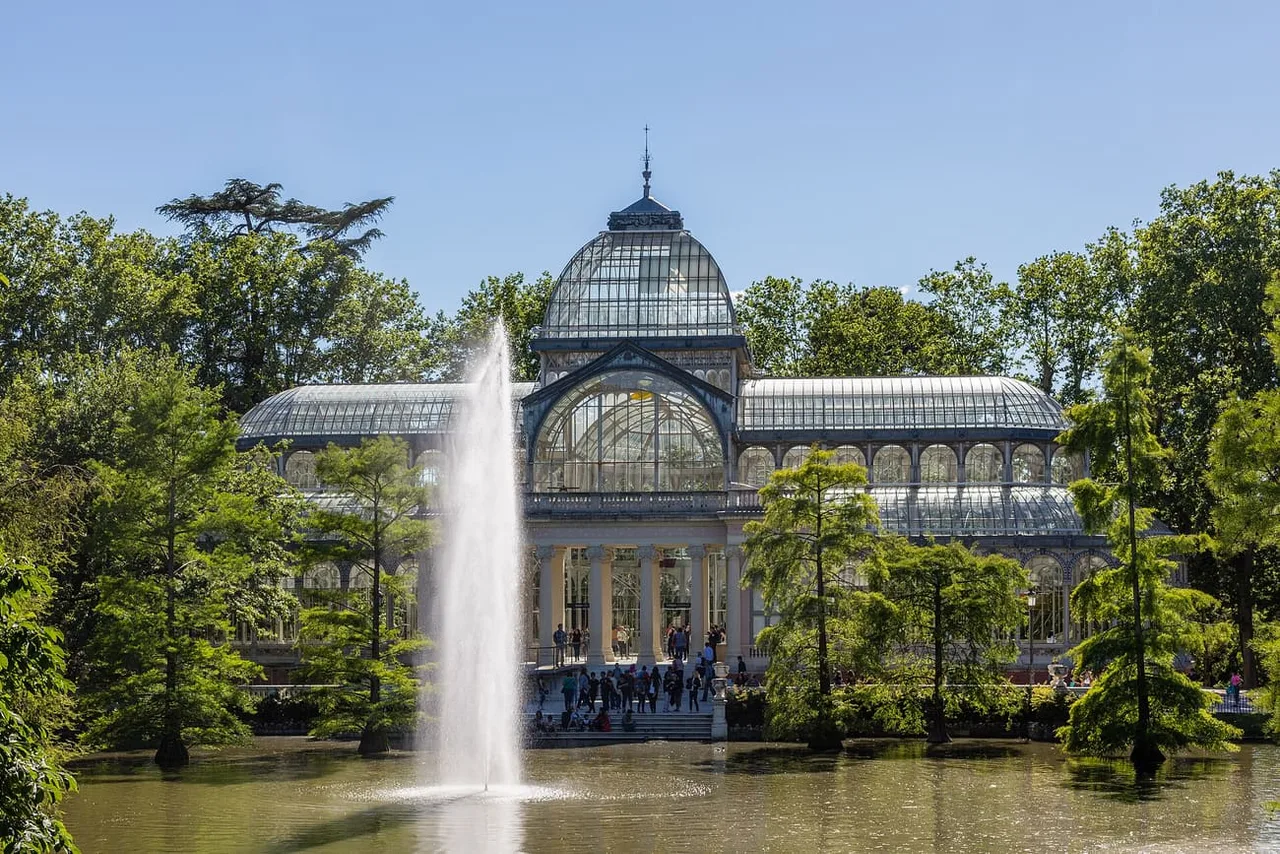
Cross to the Retiro for the golden hour. The park covers more than 125 hectares and has more than 15,000 trees, and UNESCO inscribed the Paseo del Prado and Buen Retiro as the Landscape of Light in 2021. Walk to the Crystal Palace, built in 1887 for an exhibition on the Philippines, now used by the Reina Sofía, and watch rowing boats on the lake. Leave by the Puerta de Alcalá, pass the Cibeles Palace, and settle on a tapas street for a late dinner.
Day 2: Royal Madrid and the old centre
Morning: Royal Palace
Start at the Palacio Real. The official ticket page lists a self-guided hall tour of about 45 minutes and guided tours in English at set times. Large bags are discouraged because of improvement works, so travel light. The same page lists a visit to the Royal Armoury of about 30 minutes and a Royal District Essential Pass that adds the Gallery of Royal Collections, valid for seven days around the palace visit, which makes the pass useful if you want a second look on another morning. The palace closes on a few fixed dates and for official events, and free hours exist for some visitors on weekday afternoons, so check the Patrimonio Nacional ticket page before you go.
Afternoon: Plaza Mayor and Puerta del Sol
Walk east through the lanes of the Austrias district to the arcaded Plaza Mayor, then on to the Puerta del Sol. This is the area for bocadillos and the covered Mercado de San Miguel. Keep the afternoon loose; two hours of wandering suits the district better than a fixed list. If you want one more fixed stop, the Monasterio de las Descalzas Reales, another site run by Patrimonio Nacional, sits a few minutes from the Puerta del Sol and is listed on the same ticket platform. After the visits, walk back toward Plaza Mayor and pick a side street for a coffee before the evening.
Evening: Flamenco, tapas and Gran Vía
Time your evening around dinner, which in Madrid starts late. The Visit Madrid site highlights century-old restaurants and taverns that keep traditional recipes. During the festival dates above, check the programme for a flamenco evening. Finish along the Gran Vía, whose early 20th-century buildings glow after dark, or take a rooftop drink: the Visit Madrid site lists the best open-air terraces for an early evening glass.
If it rains, on a budget, with kids
If it rains
Madrid is well served for wet days. The Prado, Thyssen and Reina Sofía fill a full day, and the Royal Palace is entirely indoors. Pack the Retiro for a dry slot, although the Crystal Palace is glass and still works in drizzle.
On a budget
The Retiro is free, as is walking the Paseo del Prado and the old centre. The Thyssen advertises a free Saturday evening slot for its Carmen Thyssen Collection, and the Royal Palace offers free entry at set weekday times for some groups, such as European Union citizens, with proof required. Both rules change, so confirm them on the official pages.
With kids
In the Retiro, the large lake, playgrounds and the weekend puppet theatre keep children busy. Skip the longest museum routes; the Prado's one-hour route is a better fit.
Day trip or a third day
Toledo
UNESCO places Toledo about 70 km south of Madrid, a hill town shaped by Roman, Visigothic, Muslim, Jewish and Christian history. Renfe's Avant high-speed trains from Atocha take roughly half an hour, and the first service leaves early in the morning. Allow a full day.
Segovia
The Roman aqueduct, probably built around 50 BC, runs 813 metres on 128 pillars, and the old town also has an Alcázar and a Gothic cathedral. By high-speed train from Chamartín it is roughly 30 minutes to Segovia-Guiomar station, then a bus into town; check Renfe for the exact connection.
Another city
If you have more days, Córdoba in 2 days is a long but direct rail ride south, and Salamanca in 2 days lies to the west.
Practical tips
Book the Royal Palace and the big museums online, and use only the official ticket pages. Reina Sofía closes on Tuesdays, and the Prado and others have their own weekly patterns, so check each site. Bring ID if you plan to use a free-admission hour.
Cover shoulders when entering churches. In the Retiro, the park may close in severe weather, as the tourism office warns, so look at the forecast. For step-free routes, read the accessibility notes on each museum's site, such as the Reina Sofía, and on the palace ticket page.
Frequently asked questions
Is the Paseo del Arte pass worth it for two days?
Only if you will do all three museums. It allows one visit to each permanent collection and is valid for a year, so it pays off when you visit the Prado, Thyssen and Reina Sofía together. If you pick two museums, compare it with single tickets on the official sites before buying.
Can I pay for the metro with a bank card?
From 1 June 2026, the Visit Madrid site says you can tap in and out with a contactless bank card, physical or on a phone or watch, without buying a ticket first. The airport stations still carry a supplement, so check the fare notice at the barrier. The Tarjeta Multi card remains an option for sharing a ticket.
What should I carry into the Royal Palace?
Travel light. The ticket page asks visitors not to bring large backpacks, suitcases, bags or packages because of improvement works. Leave luggage at your hotel, and keep a card or phone for the timed entry. The page also warns that extra closures can follow official events, so check it again the day before.
How far is the airport from the centre by metro?
Line 8 of the metro needs under 20 minutes to Terminal 4, and about 12 minutes to the other terminals, to reach Nuevos Ministerios. From there, change to other lines for your hotel. An airport supplement applies, so use a card that allows airport entry.
More city guides
- Salamanca in 2 days: a sandstone university city to the west.
- Córdoba in 2 days: the Mezquita, reached by high-speed rail from Atocha.
- Valencia in 2 days: a coastal city on the eastern rail line.
- Barcelona in 2 days: Gaudí and the Mediterranean.
- Lisbon in 2 days: a Portuguese capital to the west.