Barcelona in 2 days works best as a plan built around Antoni Gaudí's buildings, the old city and a few timed tickets, not a sprint through every district. This itinerary suits first-time visitors who want the big names without hours in queues: it books the Sagrada Família and Park Güell ahead, walks the Eixample in the afternoon and keeps the Gothic Quarter and the waterfront for the second day. Barcelona is also the UNESCO-UIA World Capital of Architecture in 2026, so the usual Modernista route comes with extra exhibitions and guided walks until 13 December. The city is the capital of Catalonia, which is why Catalan appears on signs and menus beside Spanish.
Quick facts
- Country and region: Spain, in Catalonia on the Mediterranean coast.
- Main airport: Josep Tarradellas Barcelona-El Prat (BCN), south-west of the centre, linked by metro, regional train and bus.
- Main station: Barcelona Sants, for high-speed trains and most Rodalies regional lines.
- Getting around: the TMB metro and buses; the Eixample and the old city are walkable in sections.
- Currency: euro (EUR).
- Languages: Catalan and Spanish.
- Time zone: Central European Time, with summer time in season.
- Best months: April to June and September to October.
Best time to visit
Spring and early autumn give the most comfortable walking weather and the longest practical days for a plan that mixes indoor timed visits with open-air stretches. July and August are hot, and Park Güell sits on a hill with little shade on its terraces, so book an early slot if you travel then. Winter is mild by northern European standards but the days are short.
The 2026 architecture year adds a reason to look at the calendar. The city council says the programme has more than 1,500 activities between 12 February and 13 December 2026, with a different district as the monthly base: the Canòdrom in Sant Andreu in October and the Gràcia district office in November. La Mercè, the city's main festival, is also part of the programme; check the official calendar for dates.
Getting there and around
From the airport you have four official options, listed by the metropolitan transport authority. Line L9 Sud of the metro stops at both terminals and, according to TMB, takes about 32 minutes to the Zona Universitària end. Note that a single ticket and the T-casual card do not open the airport gates; you need the airport ticket or a Hola Barcelona travel card. The R2 Nord train leaves from Terminal 2 for Sants, Passeig de Gràcia and El Clot-Aragó roughly every half hour. Bus 46 runs to Plaça Espanya, and the Aerobús express uses a separate ticket.
Sants is the hub for high-speed trains to Madrid; see Madrid in 2 days if you continue by rail. Inside the city, the TMB metro and bus network is the practical tool, and the metropolitan transport authority explains the airport options in English.
Walking links in this plan are short. The Sagrada Família and Sant Pau are joined by the straight Avinguda de Gaudí, about ten minutes on foot. Passeig de Gràcia to the Gothic Quarter is a walk of roughly twenty minutes, or two metro stops.
Where to stay
The Eixample is the practical choice for a Gaudí-first trip. Its grid of streets puts Passeig de Gràcia, Casa Batlló and the Sagrada Família on metro lines L2, L3, L4 and L5, and it is quieter at night than the old centre.
Ciutat Vella, the old city, covers the Gothic Quarter, El Born and the Raval. It suits people who want to walk out of the door into narrow lanes and the cathedral area, with the trade-off of late-night noise and busy pavements.
Gràcia is a good third option for a slower stay. It has its own squares and a village feel, and Metro L3 Lesseps puts Park Güell within a walk uphill. Base yourself near a metro stop in any of the three and you will rarely need a taxi.
Day 1: Gaudí and the Eixample
Morning: Sagrada Família and Sant Pau
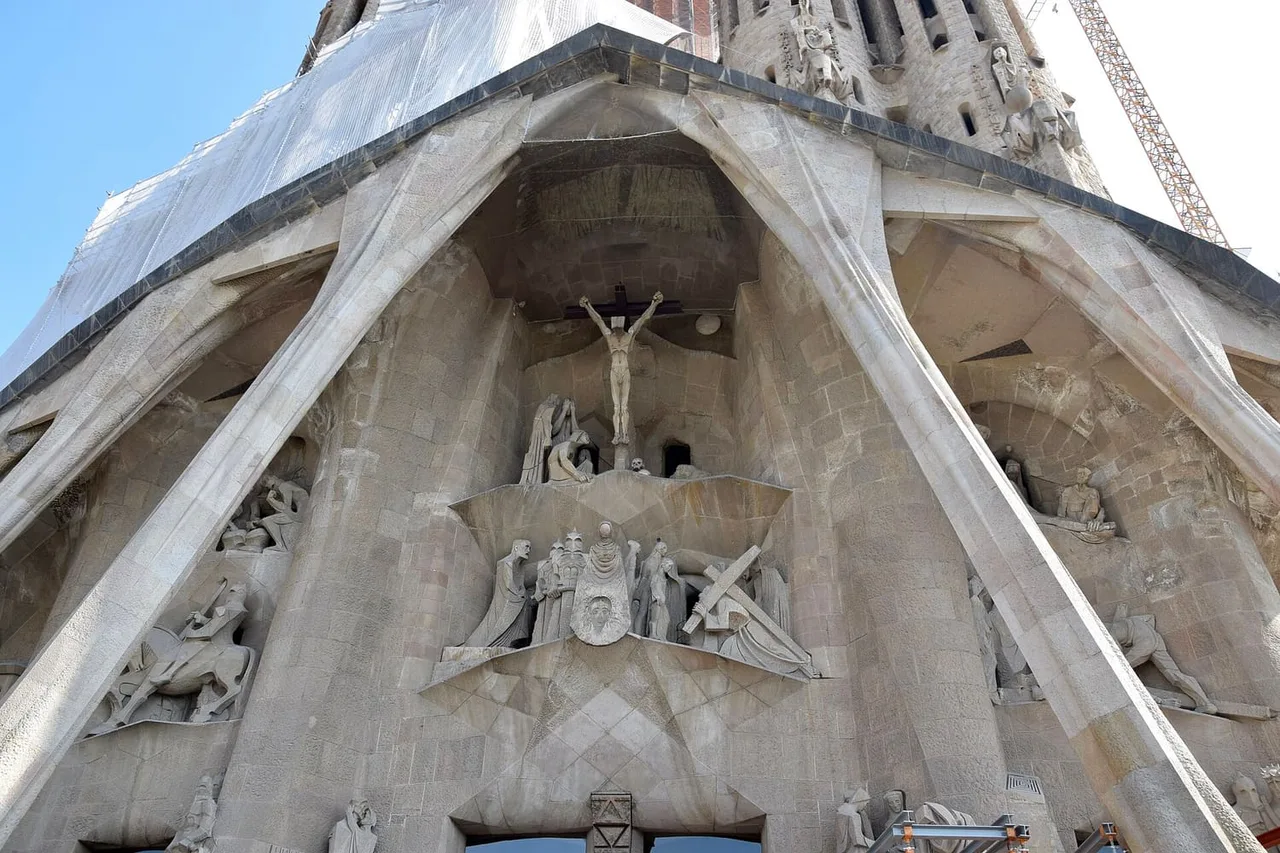
Start at the Sagrada Família with a timed ticket bought on the official site; the basilica lists tickets with a guided tour, with a tower, or both, and warns that it uses official vendors. The station is Sagrada Família on L2 and L5. Construction began on 19 March 1882, and Gaudí, who died in 1926, took over the design in 1883. The central Tower of Jesus Christ reached its full height of 172.5 metres on 20 February 2026, which makes the building the tallest church in the world, while interior work continues. Only the Nativity Façade and the Crypt belong to the UNESCO listing of the Works of Antoni Gaudí.
Walk down Avinguda de Gaudí to the Recinte Modernista de Sant Pau, the former hospital designed by Lluís Domènech i Montaner. UNESCO lists it together with the Palau de la Música Catalana, and the site offers a self-guided visit with an audioguide of about 60 to 90 minutes.
Afternoon: Passeig de Gràcia
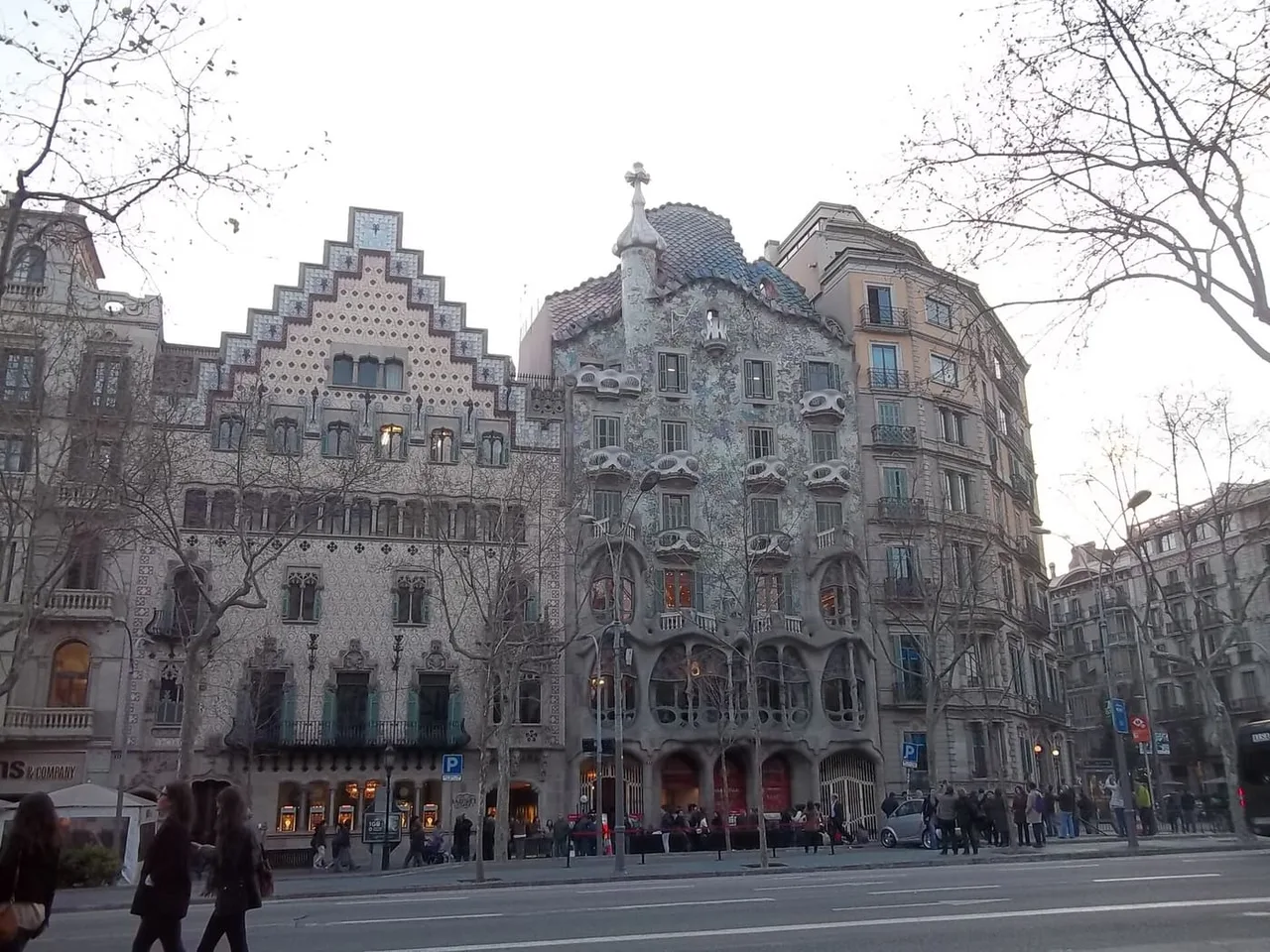
Take the metro to Passeig de Gràcia for lunch and the "Block of Discord" stretch, where Casa Amatller, Casa Batlló and neighbouring houses stand side by side. Casa Batlló at number 43 is a remodelled older building; its official site gives a visit time of about an hour and a quarter. Casa Milà, known as La Pedrera, is a short walk north and is also part of the UNESCO Gaudí listing.
Evening: Gràcia or the Palau
Walk or ride up to Gràcia for its small squares and a late dinner at Catalan hours. If you prefer music, check the programme of the Palau de la Música Catalana, the Modernista concert hall also on the UNESCO list. Tickets for evening concerts are sold through the official site.
Day 2: Park Güell, the old city and the sea
Morning: Park Güell
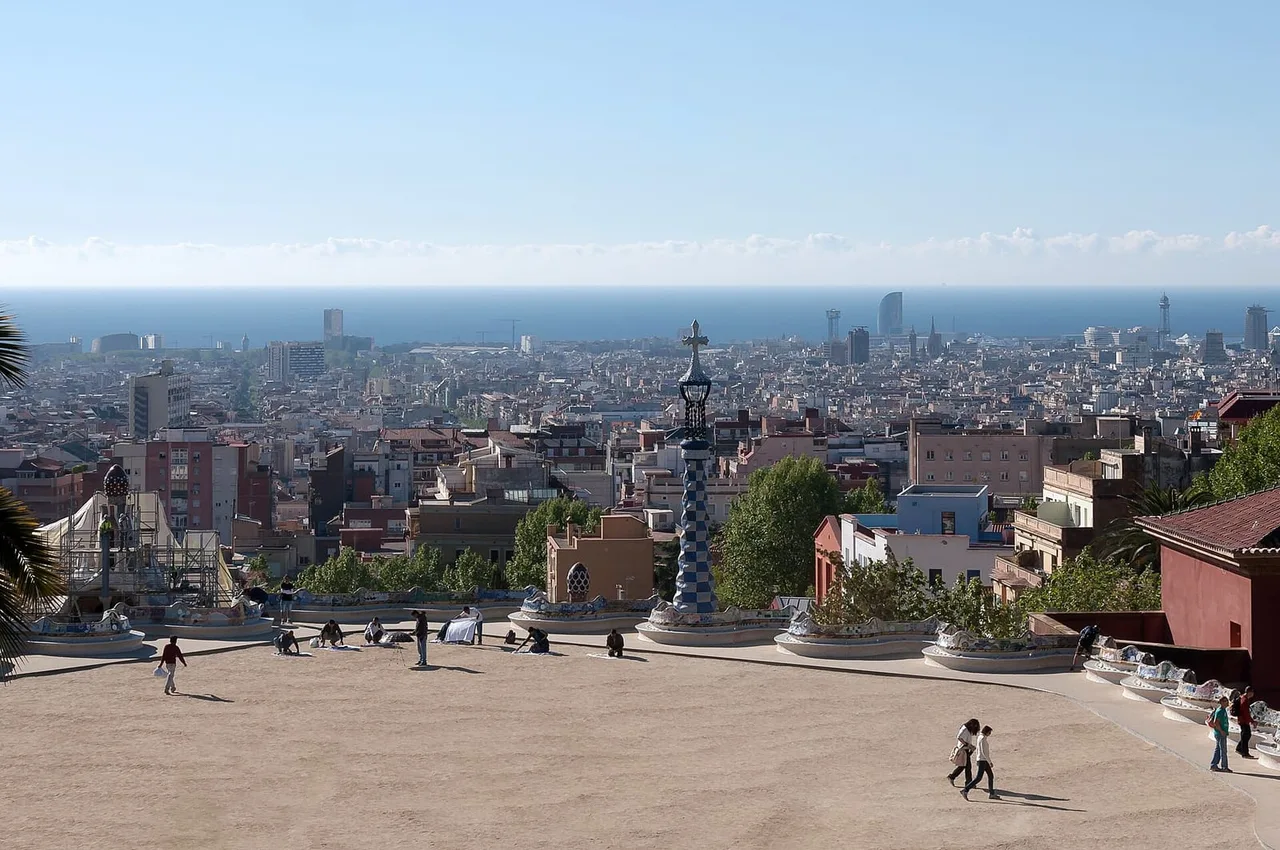
Park Güell opens up the view over the city to the sea. Book a timed ticket on the official Park Güell site before you leave, because the site shows sell-out days and notes drainage works that disrupt parts of the visit. The Monumental Stairway with the mosaic salamander, the Hypostyle Room and the Casa del Guarda, included with the combined ticket, make up the core route. Take Metro L3 to Lesseps or Vallcarca and walk uphill for about 20 minutes, which is the sensible way in if you want to avoid bus queues. Allow at least two hours inside, and keep water with you, because shade is patchy on the terraces and benches.
Afternoon: Barri Gòtic and El Born
Descend to the Gothic Quarter through Gràcia and the Plaça de Catalunya, about 35 minutes of walking and metro together. Visit the cathedral of the Holy Cross and Saint Eulalia, then Plaça Sant Jaume, where the city hall and the Catalan government face each other. From here it is ten minutes on foot into El Born, past the Basilica of Santa Maria del Mar. The Museu Picasso is nearby; check its official site for hours and booking. Between the sights, the lanes of the Born are worth a slow loop for their workshops and small squares, and a late lunch here fits the local rhythm of eating after two in the afternoon.
Evening: Montjuïc or Barceloneta
For a final view take the metro to Espanya and walk up Montjuïc, where the Museu Nacional d'Art de Catalunya (MNAC) and the Fundació Joan Miró sit on the slope. The Miró foundation marks its 50th anniversary in 2026. For sea air instead, walk from the Born to Barceloneta and the beach promenade. Both are quieter than the old centre after nightfall.
If it rains, on a budget, with kids
If it rains
Move the museum content under cover. The Museu Picasso, MNAC, the Fundació Joan Miró and Sant Pau are all indoor-heavy visits, and Casa Batlló is a self-contained stop on Passeig de Gràcia. Swap Park Güell for another day if the forecast is poor, since the terraces are the point of the visit.
On a budget
Many exteriors cost nothing: the Sagrada Família façades from the street, Passeig de Gràcia, the cathedral square and the waterfront. Park Güell has free-admission concerts on the Nature Square in some months, according to its news page, but entry to the monumental zone needs a ticket. The Barcelona Card, promoted by the city's tourism channel, bundles museum admission with optional transport; compare it with the sights you plan before you buy it.
With kids
Park Güell's salamander and mosaic benches suit children, and the Casa Batlló visit uses technology to hold attention. Montjuïc and the beach give room to run. Plan the Sagrada Família for the morning, when concentration is highest.
Day trip or a third day
Montserrat
The mountain monastery northwest of the city is reached by regional train and a mountain railway or cable car in roughly 60 to 90 minutes each way, depending on the connection; check the Montserrat visitor site for what is open. Allow a full day.
Girona
The medieval centre of Girona is under 90 minutes by train from Sants. Check Renfe or Rodalies for the service that fits your day.
Another city
Valencia in 2 days is a longer rail trip along the coast, so treat it as a separate stay rather than a day return.
Practical tips
Book the Sagrada Família, Park Güell and Casa Batlló in advance and use only the official ticket pages. The Sagrada Família site shows the ticket families; the basilica's status can change, so read the banner on the day. Dress for churches by covering shoulders and knees.
Closing days vary by museum: many close on Mondays, so check each site. For step-free access, the Recinte Modernista de Sant Pau marks its audioguide visit as accessible, and most metro stations in the centre have lifts, but confirm with TMB on your route.
Frequently asked questions
Can I see the Sagrada Família without going inside?
Yes. The Nativity and Passion façades can be seen from the street, and the plaza opposite gives the best angle of the towers. Going inside is what the timed ticket buys, and only the interior and towers need it. If your schedule is tight, a short exterior stop works at the start of Day 1.
How do I get from the airport to Passeig de Gràcia?
The R2 Nord train goes from Terminal 2 to Passeig de Gràcia directly, roughly every half hour. The L9 Sud metro needs a change but runs from both terminals every few minutes. Remember that a plain single ticket does not open the airport metro gates.
Is Park Güell the same as the Sagrada Família ticket?
No. They are managed separately: the park is run by the city's municipal services company, and the basilica by its own foundation. Each has its own timed tickets and its own site, so check both before you travel.
What changes in 2026?
Barcelona holds the UNESCO-UIA World Capital of Architecture title, with more than 1,500 events and guided walks planned from 12 February to 13 December. Some buildings may be busier or temporarily rearranged, so look at the official programme when you book.
More city guides
- Valencia in 2 days: the nearest large coastal city on the same rail corridor.
- Madrid in 2 days: the capital, reached by high-speed rail from Sants.
- Bilbao in 2 days: the north coast, with another Gaudí-era contrast in modern architecture.
- Marseille in 2 days: a Mediterranean port across the border.