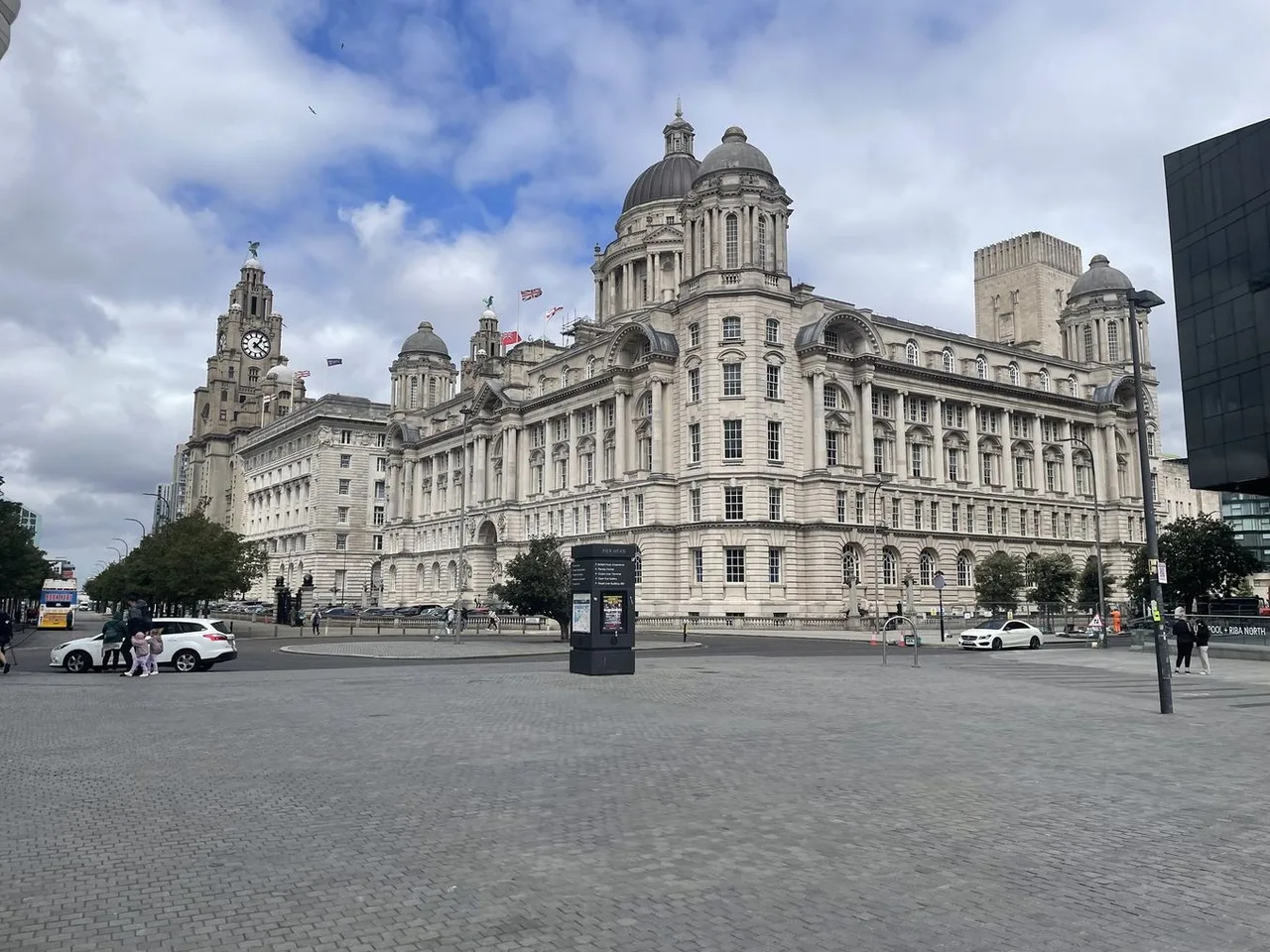
Liverpool in 2 days is a waterfront story with a music soundtrack, and almost all of it can be walked. The plan suits rail-trip visitors from Manchester or London who want one compact route: the Pier Head buildings and the Royal Albert Dock on day one, the two cathedrals and the Hope Street quarter on day two. UNESCO inscribed the maritime mercantile city in 2004 and deleted it from the World Heritage List in 2021 after new waterfront developments. The listing is gone, but the buildings that earned it still line the river, and that is reason enough to come.
Quick facts
- Country and region: United Kingdom, England (Merseyside).
- Main airport: Liverpool John Lennon Airport (LPL), on the southern edge of the city; Manchester Airport is the larger alternative for long-haul routes.
- Main station: Liverpool Lime Street, with Merseyrail stations at Central, Moorfields and James Street.
- Getting around: on foot for the waterfront; Merseyrail trains, buses and the Mersey ferries for longer hops.
- Currency: pound sterling (GBP).
- Language: English.
- Time zone: UK time, GMT in winter and BST in summer.
- Best months: May to September.
Best time to visit
Late spring to early autumn gives the longest days for the open waterfront, which is exposed to wind off the Mersey at any time of year. Pack a waterproof in every season. Autumn works well for museums and music venues, and the city runs light events after dark: VisitLiverpool lists River of Light on the waterfront from 23 October to 1 November 2026. Matchdays at the city's football grounds fill hotels and trains, so check fixtures before you book. Winter days are short, which makes the indoor options in this guide more valuable. Whatever the month, check the official calendar for festival weekends before fixing dates.
Getting there and around
By rail, Lime Street is the terminus. Avanti West Coast runs the main London Euston services (pair them with London in 2 days if you are travelling on), and VisitLiverpool notes London Northwestern Railway as a second option for the London run. Manchester is a regular rail trip of roughly an hour. Liverpool John Lennon Airport has bus and taxi links to the centre; check its site for current services.
On the ground, Lime Street to the waterfront is about a 20-minute walk, according to the Tate Liverpool visitor page, which also lists James Street station two minutes from the Pier Head and Moorfields about five minutes away. Merseyrail serves both, and the Mersey ferries from Seacombe and Woodside on the Wirral call at the Pier Head. The Anglican cathedral is roughly a half-hour walk from Lime Street, or you can take buses on routes 82, 82A and 86, which stop nearby every 12 minutes or so, according to the cathedral's own directions.
Where to stay
For a first visit, the city centre near Lime Street and Liverpool ONE puts you within a short walk of both the docks and the shops, and it is the easiest base if you arrive by train. The Albert Dock and Waterfront area is the atmospheric option for evenings on the quays, with the Pier Head a few minutes away on foot. The Georgian Quarter and Hope Street end suits visitors who want the two cathedrals and the Philharmonic on the doorstep, with quieter streets at night and a longer walk back to the waterfront. We recommend picking by your first-morning plan.
Day 1: The waterfront, from Pier Head to the docks
Morning: Lime Street and the Three Graces
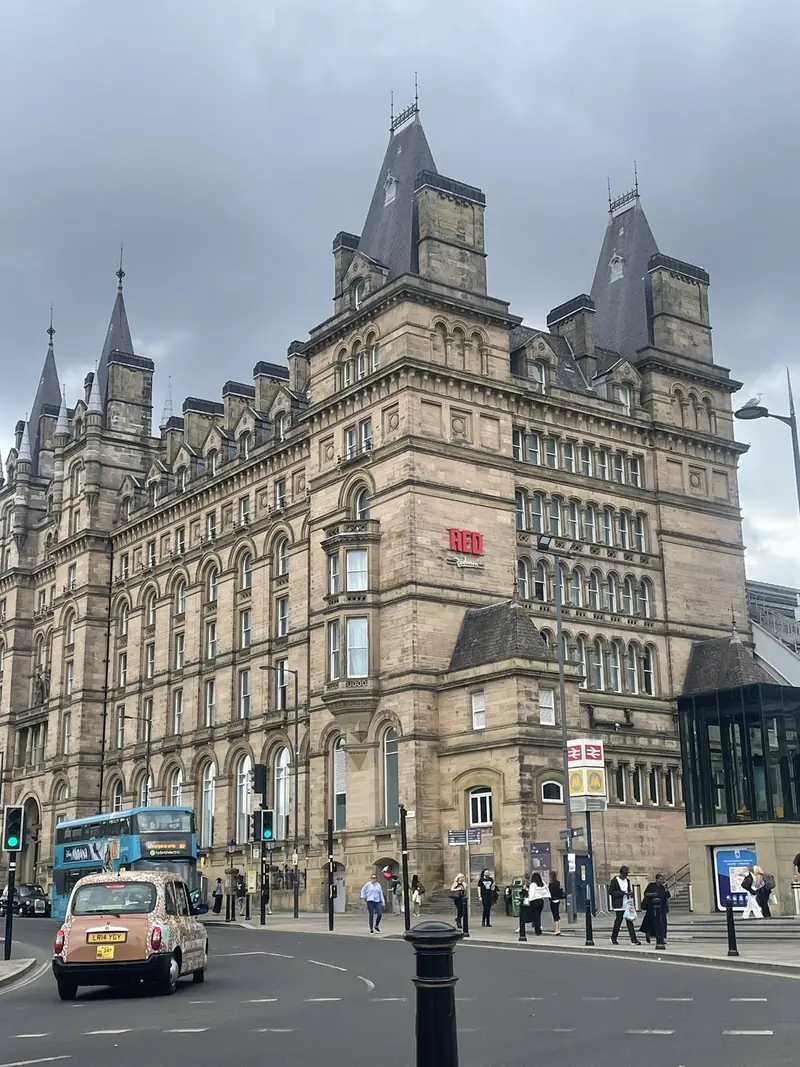
Start outside Lime Street station, where the Victorian Gothic hotel block makes a good first impression, and walk downhill to the river.
At the Pier Head, UNESCO's former entry names the three principal waterfront buildings: the Royal Liver Building, the Cunard Building and the Port of Liverpool Building. Together they are the picture most people carry of the city. Spend a few minutes on the cobbles, then look across the river to the Wirral shore. If you want to see Liverpool from the water, the Mersey ferries leave from here.
Afternoon: Royal Albert Dock and its museums
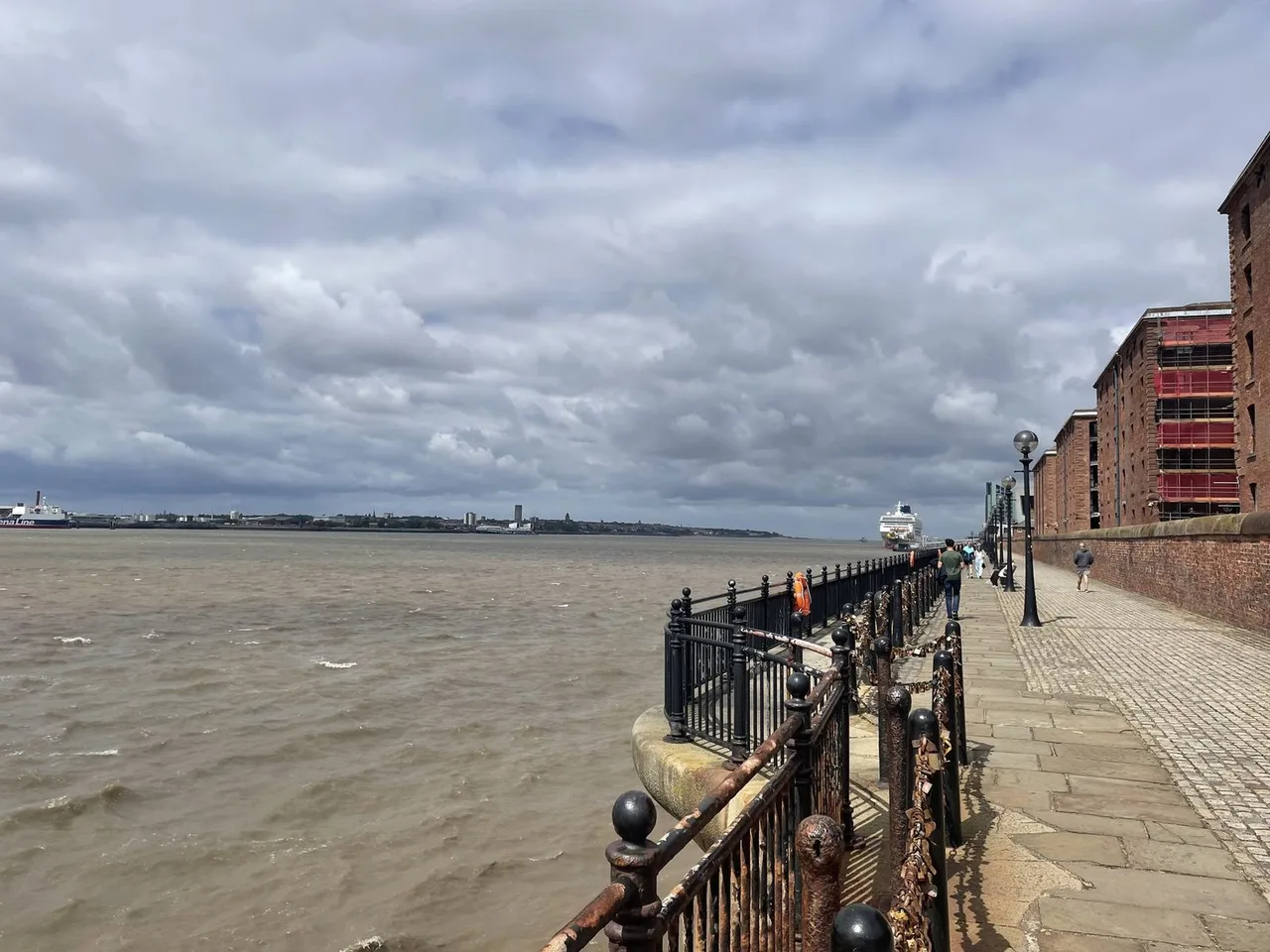
Walk south along the waterfront to the Royal Albert Dock, about ten minutes away. UNESCO's text says the dock's warehouses have been adapted to new uses, and the proof is a mix of museums, shops and restaurants under the red-brick arcades. National Museums Liverpool runs the Maritime Museum and the International Slavery Museum here; the latter is an essential, sober visit that sets the port's history in context, and the National Museums Liverpool site lists current opening times. The Beatles Story museum sits on the same dock if you want the music story first. Tate Liverpool is temporarily at RIBA North on Mann Island, with free displays, while its Albert Dock home is redeveloped for a planned 2027 reopening.
Evening: The river and the Ropewalks
Return along the water at dusk, when the Pier Head buildings are lit, then turn inland to the bars and restaurants of the Ropewalks district, a short walk from Liverpool ONE. We recommend choosing a dinner spot there from current listings rather than relying on a fixed recommendation, since venues change often.
Day 2: Hope Street, two cathedrals and the civic core
Morning: The Metropolitan Cathedral and Hope Street
Start at the Metropolitan Cathedral of Christ the King, the Roman Catholic cathedral designed by Frederick Gibberd and built between 1962 and 1967. Locals nickname the round, tent-like building "Paddy's Wigwam" or "the Mersey Funnel". The cathedral's own site shows it as a Grade I listed building, shaped by prayer and music, with daily services, so check the day's schedule before you go in. Walk down Hope Street, the road that links the two cathedrals, about 0.8 kilometres in all. On the way you pass the Liverpool Philharmonic, whose hall faces the street.
Afternoon: Liverpool Cathedral and William Brown Street
The Anglican Liverpool Cathedral is the largest cathedral in Britain. Giles Gilbert Scott's Gothic Revival design took from 1904 to 1978 to build, and the finished building is about 189 metres long including the Lady Chapel and 101 metres high, which makes it one of the longest cathedrals in the world. Allow time for the nave and the tower; the cathedral site lists tours and visiting information. Then walk back towards Lime Street, or take a bus, to William Brown Street, where UNESCO's text singles out the cultural quarter and the monumental St George's Hall. The Walker Art Gallery and the World Museum sit on the same street.
Evening: Mathew Street and live music
The Beatles grew up in a port city that exposed them to seafarers and music from around the world, as UNESCO's text puts it. Walk the lanes around Mathew Street for the sense of that history, then check the Philharmonic's programme if you prefer a seated concert to a pub session.
If it rains, on a budget, with kids
If it rains
Museum-hopping is the natural rain plan: the Maritime Museum and International Slavery Museum at Albert Dock, the Walker Art Gallery and the World Museum on William Brown Street, and the Beatles Story, all indoors and within a short walk of each other. Liverpool Cathedral's vast nave is another dry half-day.
On a budget
The waterfront, the Pier Head buildings and Hope Street are free to walk. Tate Liverpool's displays at RIBA North are free, and the cathedrals open for services and visitors; check their sites for current visiting arrangements. A Merseyrail hop to the Wirral or a ferry crossing gives you a river view cheaply.
With kids
The Albert Dock is easy to explore with children, and the ferries from the Pier Head are a short, memorable ride across the river. Check National Museums Liverpool for family programmes at the Maritime Museum. A seated stop at Liverpool ONE breaks the day.
Day trip or a third day
- Manchester: roughly an hour by train; heavy industry, free galleries and a music scene. See Manchester in 2 days for the plan.
- The Wirral by ferry: cross from the Pier Head to Seacombe or Woodside for views back across the river, then return by ferry or train (check the operator timetable for the crossing time).
- Chester: about 45 minutes by train from the city centre, with a walled centre. Check Merseyrail for the line from Liverpool Central.
Practical tips
Book timed slots where a museum offers them, particularly in school holidays. Liverpool Cathedral and the Metropolitan Cathedral both run services during the day, so check opening arrangements before you plan a visit. Wear walking shoes: the waterfront is flat, but Hope Street rises gently. The Mersey wind is stronger than the city centre suggests, and exposed quays get cold. Liverpool Cathedral lists an accessibility page on its site, and Tate Liverpool + RIBA North publishes its own access details, so check both before you go. Before an evening out, check the last Merseyrail and Lime Street departures if you stay outside the centre.
Frequently asked questions
Does Liverpool still have a World Heritage Site?
No. UNESCO's World Heritage Committee removed the maritime mercantile city from the list in 2021, citing irreversible loss of attributes that conveyed its value. The Pier Head buildings, the Albert Dock warehouses and William Brown Street are still there and remain open to visitors, and the former listing's description is still published on UNESCO's site.
Which cathedral should I visit if I only have time for one?
Liverpool Cathedral is the larger building and the one for scale and Gothic detail. The Metropolitan Cathedral is the one for mid-20th-century design. They are around 0.8 kilometres apart on Hope Street, so we recommend walking both if time allows, even briefly.
How far is the Royal Albert Dock from Lime Street?
About 20 minutes on foot to the waterfront, plus another ten along the quays to the dock. If you prefer rail, James Street and Moorfields stations are close to the Pier Head. A taxi from Lime Street takes only a few minutes.
Can I do Liverpool as a day trip from Manchester?
Yes, for a compressed version. The trains take around an hour, so you could see the Pier Head, the Albert Dock and one cathedral in a day. Two days lets you add the second cathedral, William Brown Street and an evening out without watching the clock.
More city guides
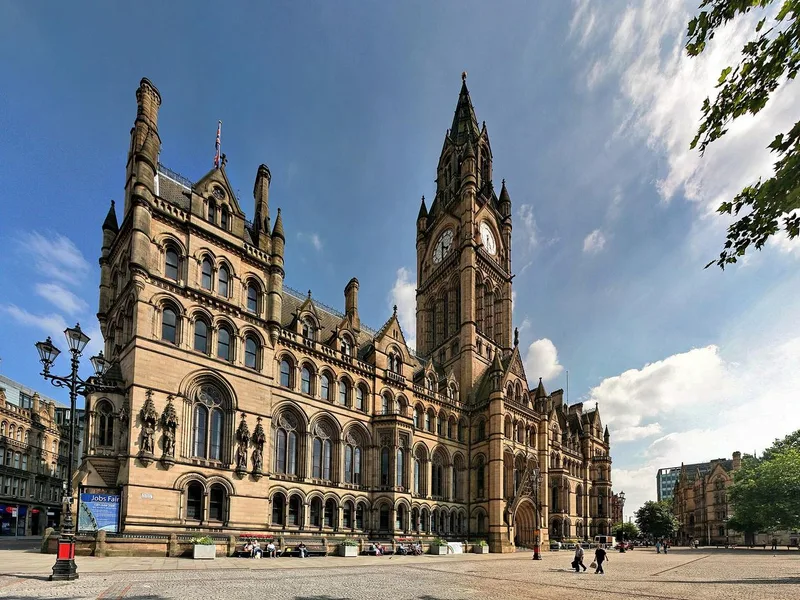
- Manchester in 2 days: industrial heritage and free museums, an hour away by train.
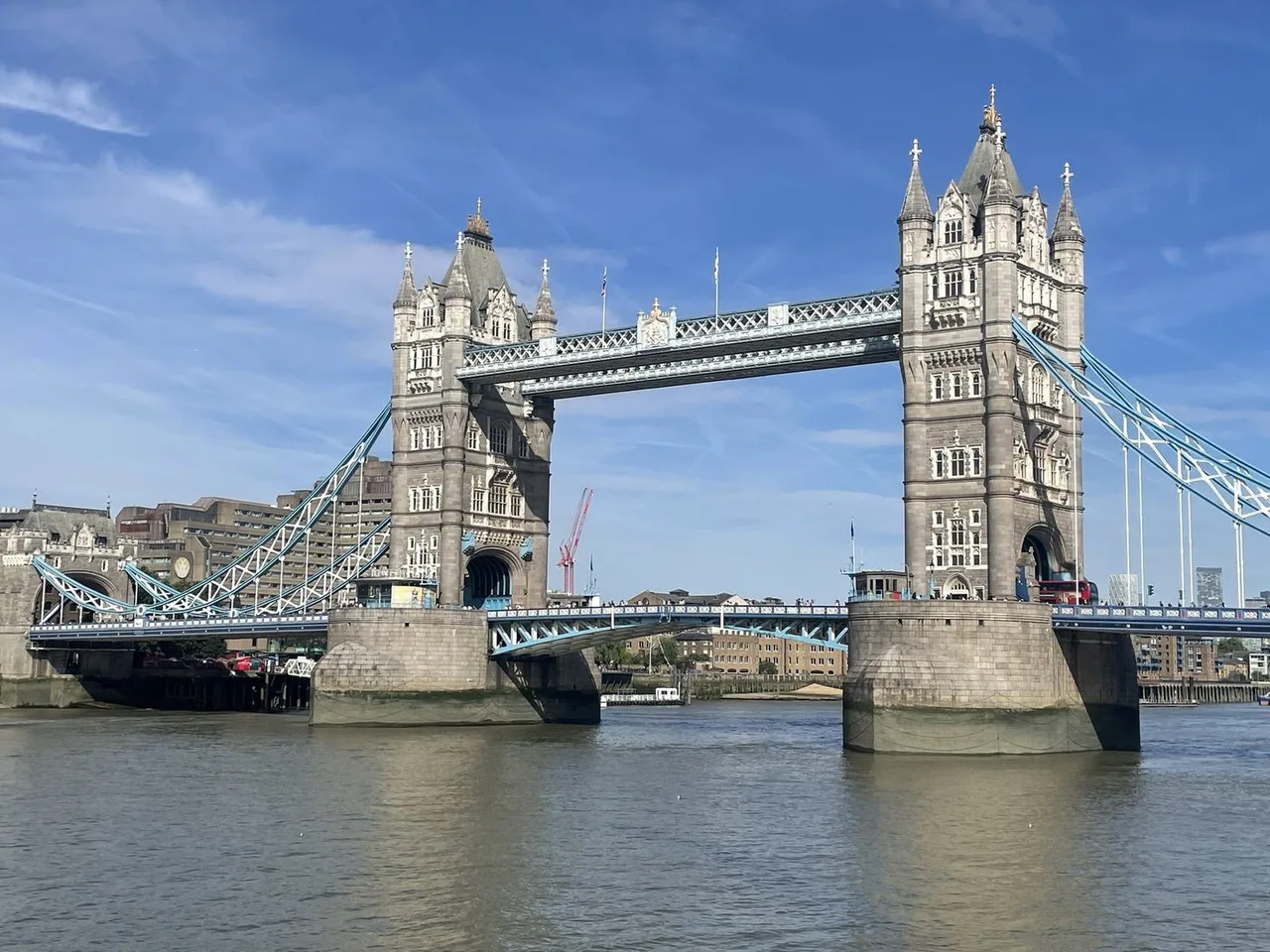
- London in 2 days: Westminster and the Tower, about two hours from Euston.
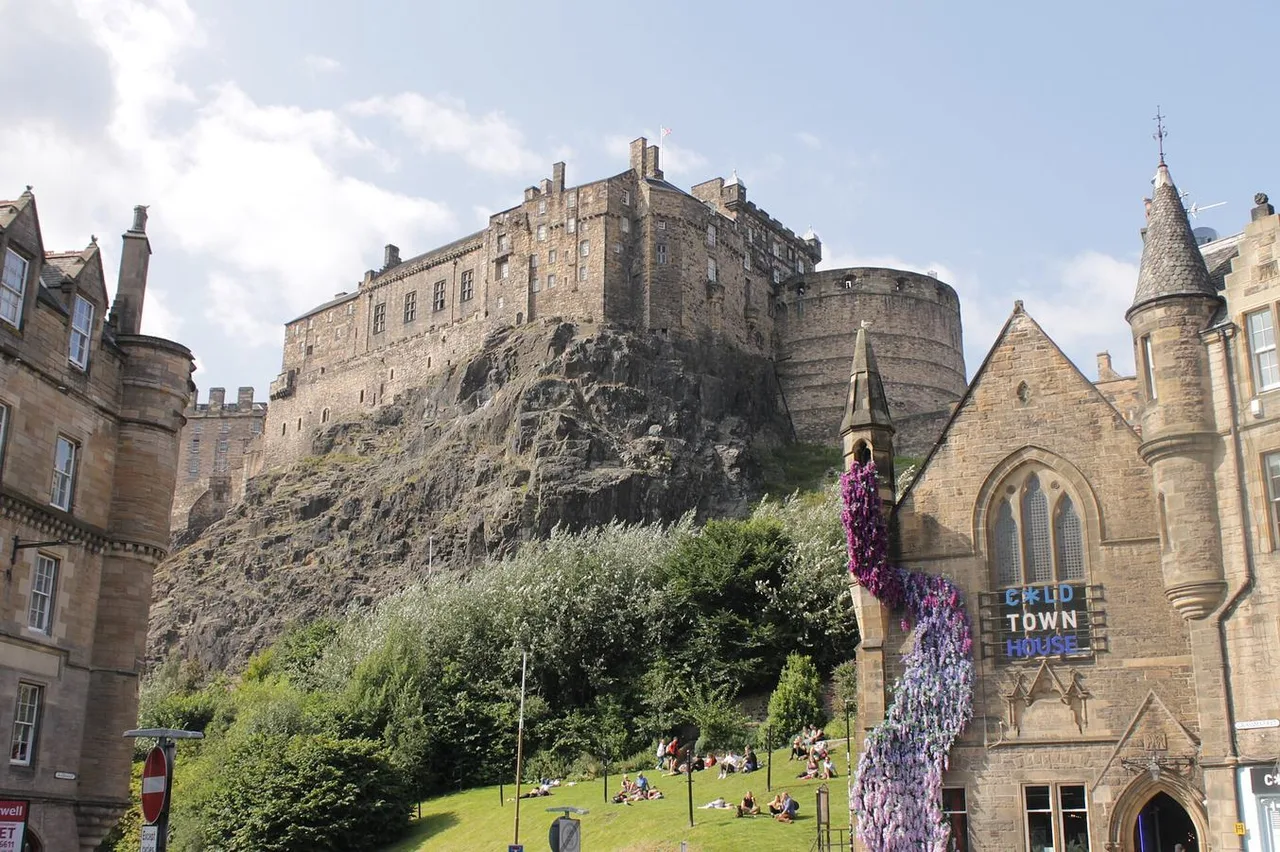
- Edinburgh in 2 days: castle and volcano, a longer rail trip north.
- Dublin in 2 days: across the Irish Sea, literary and Georgian.