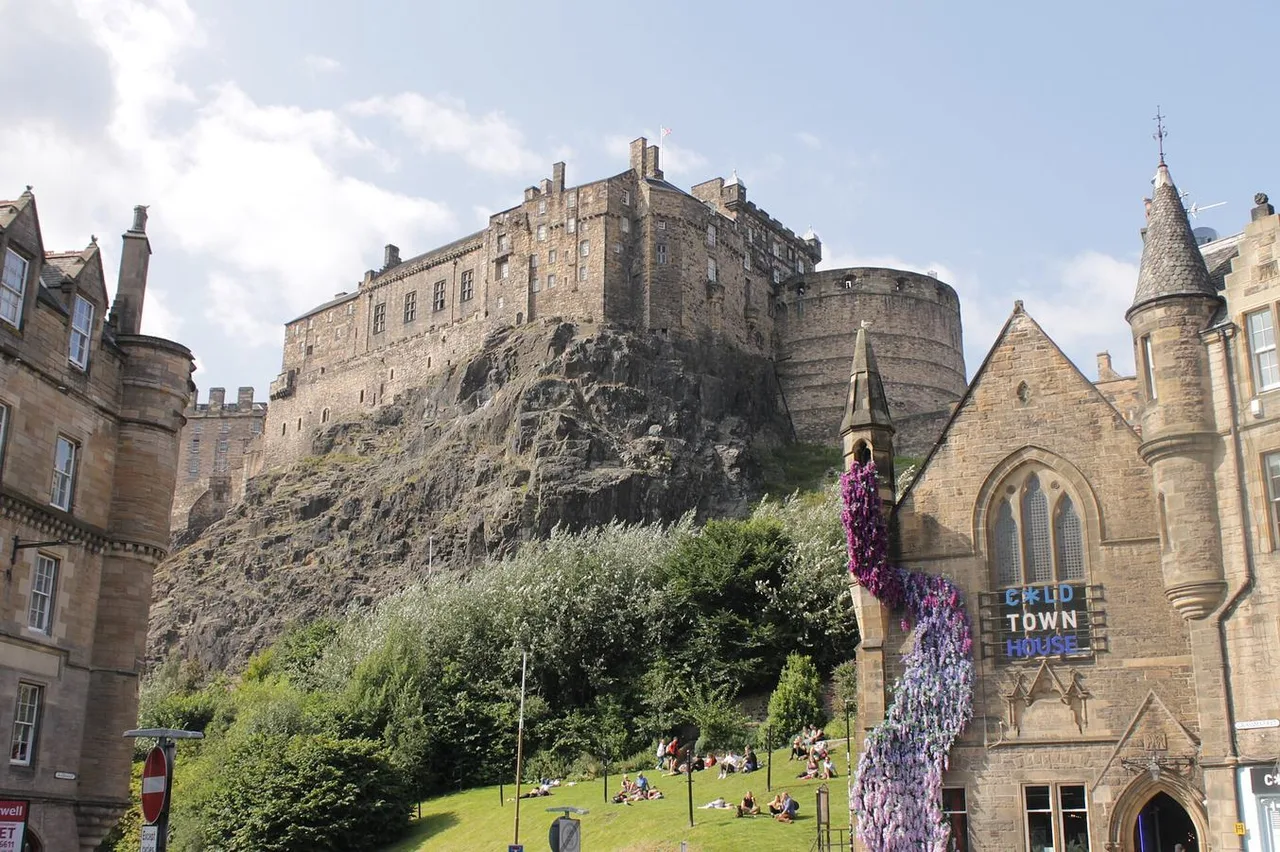
Edinburgh in 2 days starts with geology. Castle Rock is a volcanic plug, and Arthur's Seat, a short walk east, is what remains of a volcano that erupted about 342 million years ago, according to the Scottish Geology Trust. Around those two hills the city built a medieval Old Town and, from 1767, a planned Georgian New Town, and UNESCO lists the two together. This plan suits walkers who like a steep street, a summit view and a clear contrast between two ways of building a city: the castle ridge on day one, the volcano and the New Town on day two.
Quick facts
- Country and region: United Kingdom, Scotland (City of Edinburgh).
- Main airport: Edinburgh Airport (EDI), linked to the city centre by tram and bus.
- Main station: Edinburgh Waverley, with Haymarket as the second city-centre station.
- Getting around: on foot in the Old and New Towns, with trams and Lothian Buses for longer hops.
- Currency: pound sterling (GBP).
- Language: English.
- Time zone: UK time, GMT in winter and BST in summer.
- Best months: May to June and September.
Best time to visit
Edinburgh's northern latitude shapes the year. In June the light lasts until late evening, and in midwinter it fades by about 4 pm, which shortens a hill-and-ridge itinerary. August is the busiest month: the festivals fill the city, and Edinburgh Trams does not allow bikes on board in August for that reason. The castle's own site refers to the world-famous Military Tattoo staged there, which adds to the August crush. If you prefer room to move, May, June and September give long days with fewer crowds on the Royal Mile. Wind and sudden rain are normal in any season, so pack layers. Check the official events calendar on edinburgh.org before you fix dates.
Getting there and around
From Edinburgh Airport, the tram is the simplest route. Edinburgh Trams runs between Newhaven and the airport, with services as frequent as every seven minutes, and airport tickets can be pre-booked. Every tram has luggage racks, including space for large suitcases. The airport's own site lists tram and bus options. By rail, Edinburgh Waverley sits in the valley between the Old and New Towns; trains from Glasgow take around 50 minutes, so check the current schedule before you go.
Inside the city, you will mostly walk. UNESCO describes the Old Town as stretching along a high ridge from the Castle down to the Palace of Holyrood, the length of the Royal Mile. The New Town spreads out on the flat ground north of the valley. Lothian Buses cover the longer hops, and contactless tap-on, tap-off ticketing works on both buses and trams.
Where to stay
The Old Town around the Royal Mile and the Grassmarket is the atmospheric choice, but it is hilly and loud during the August festivals. The New Town, with George Street and Princes Street Gardens, is flatter and quieter, and the tram stops at St Andrew Square connect you to the airport. Leith, at the Newhaven end of the tram line, offers a waterfront base with restaurants and the retired royal yacht Britannia, but sits about a tram ride from the Old Town. Match your base to your first morning: the Old Town if you start at the castle, the New Town if you want trains and trams on the doorstep.
Day 1: The Old Town ridge, from castle to palace
Morning: Edinburgh Castle
Go to Edinburgh Castle at opening. Historic Environment Scotland advises booking ahead to guarantee entry, and the castle site pitches its highlights as the Royal Palace, the Honours of Scotland, Mons Meg and the Scottish National War Memorial. The tram operator also points visitors to the Great Hall and the One O'Clock Gun, so check the castle site for firing days. Allow a full morning; the rock is steep and the cobbled approach is long. Historic Environment Scotland describes the castle as perched on a volcanic plug,, and the Scottish Geology Trust lists the separate Castle Rock plug as part of the same volcanic site as Arthur's Seat. That link is worth keeping in mind on Day 2.
Afternoon: The Royal Mile, St Giles' and the closes
Walk down from the Esplanade along the Royal Mile, past Gladstone's Land, a restored early 17th-century mansion that UNESCO notes rises to six storeys. Turn into the closes and wynds: the narrow lanes that run off the High Street in what UNESCO calls a little-altered medieval fishbone pattern. St Giles' Cathedral was founded in 1124 and is the High Kirk of Edinburgh; it served as John Knox's parish church during the Reformation, and its site says it has been a place of worship for over 900 years. UNESCO calls the High Street the broadest and longest street of the Old Town, which explains why the buildings along it feel so enclosed and tall. Its site says visitor tickets went live from Monday 5 October, with a free year-round pass for residents of Scotland.
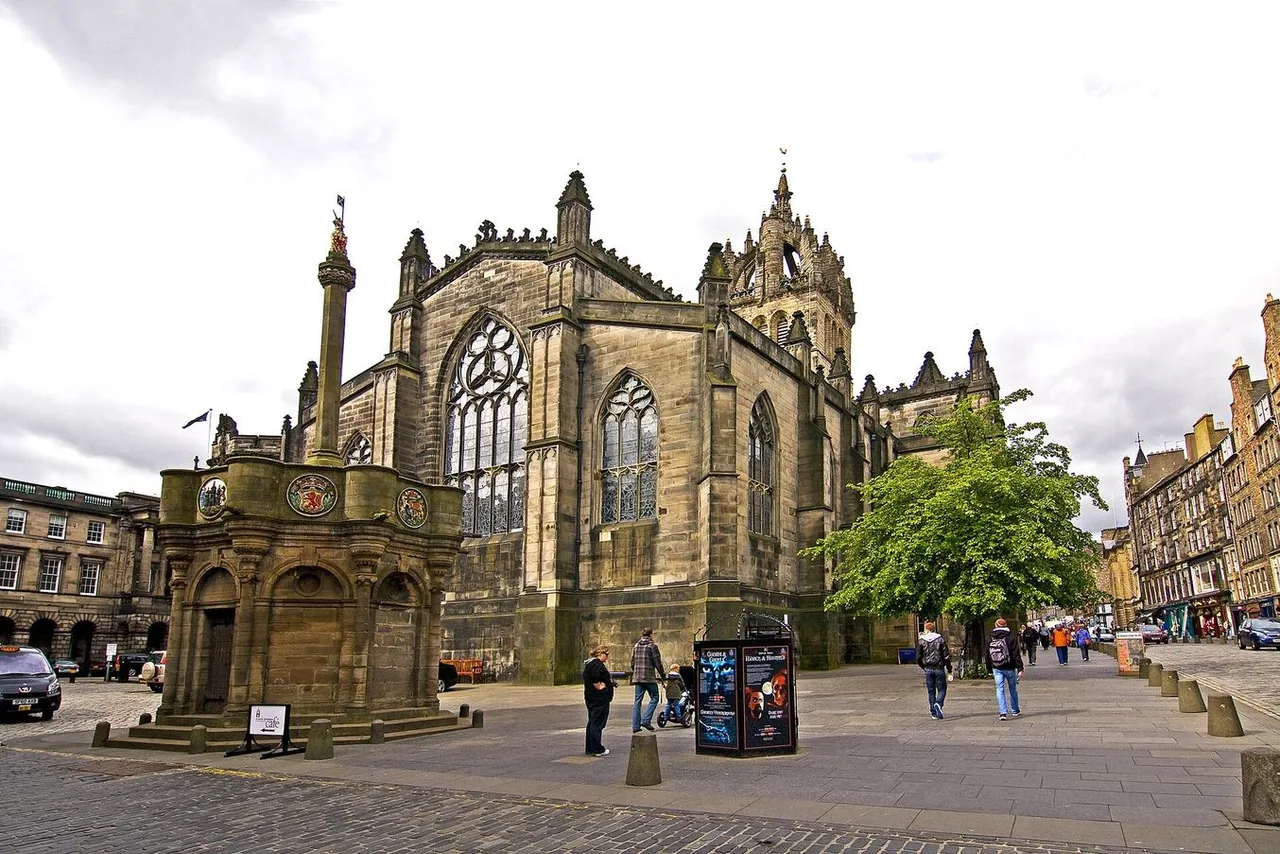
Continue to the Canongate Tolbooth and the Palace of Holyrood at the foot of the mile.
Evening: Grassmarket and Victoria Street
Climb back up to the Grassmarket, a wide old market square directly beneath the castle rock, and follow curving Victoria Street for a different view of the Old Town. We recommend choosing a pub or restaurant from current listings; the area changes often and the best places are rarely the first ones on the square.
Day 2: The volcano and the Georgian New Town
Morning: Arthur's Seat in Holyrood Park
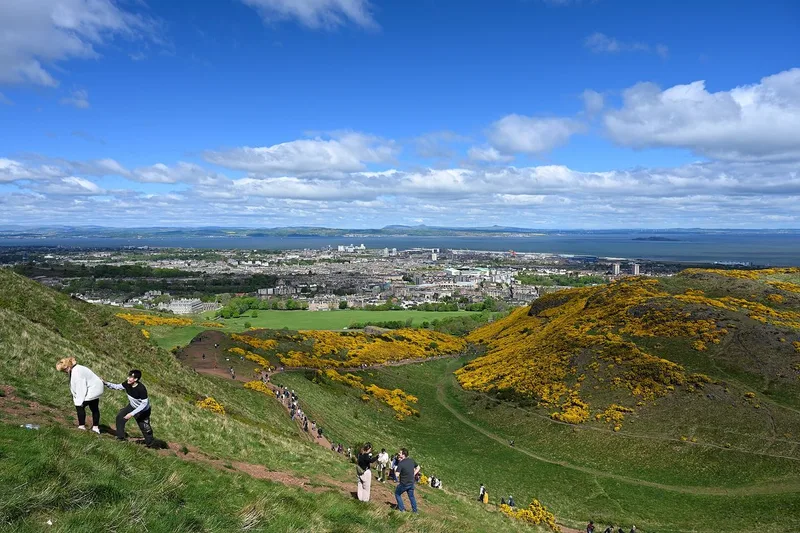
Start from the Palace of Holyrood at the foot of the Royal Mile, where most walkers enter Holyrood Park. Historic Environment Scotland says the park is open 24 hours a day, year-round and is free. Parts of the Radical Road are currently closed because of falling rock, so follow the signed paths and wear sturdy shoes. The climb to Arthur's Seat takes most walkers a couple of hours there and back. The Scottish Geology Trust notes more than twenty lava flows separated by ash layers, and Salisbury Crags, the cliff line beside the park, is where James Hutton found evidence for how igneous rocks form. The trust adds that Queen's Drive, which gives access to the interior of the park, has restricted opening hours. From the top you see the castle ridge, the New Town and the Firth of Forth.
Afternoon: The New Town on foot
Walk back to the city and cross to the New Town, which UNESCO says was built between 1767 and 1890 as a collection of seven new towns, with work by John and Robert Adam, William Chambers and William Playfair. UNESCO adds that the New Town's gardens were designed to take full advantage of the topography. Follow Princes Street Gardens to the Victorian Gothic monument to Sir Walter Scott, then climb into St Andrew Square, where the Melville Monument rises from the garden. George Street, one block north, shows the formal Georgian layout best.
Evening: The Royal Botanic Garden or a late wander
If light allows, the Royal Botanic Garden Edinburgh lies a short bus or tram-and-walk journey north of the New Town; check its site for hours. Otherwise return to Waverley's side of the valley for dinner, and finish with a view of the Old Town skyline lit against the dark.
If it rains, on a budget, with kids
If it rains
The castle is mostly indoors in its exhibitions, and St Giles' is a dry half hour. The National Museum of Scotland and the National Galleries of Scotland are the usual wet-day choices; check their official sites for hours and entry. Camera Obscura and World of Illusions, a short walk from the castle, is a lively indoor stop for a wet afternoon.
On a budget
Holyrood Park is free to enter, day and night, and the Royal Mile and New Town walks cost nothing. The castle and Palace of Holyrood are the main paid items, so book one of them rather than both if you are counting costs. Scotland residents can get a free year-round St Giles' pass; others should check the ticket page.
With kids
Short walks in Holyrood Park suit children better than the full summit, and Camera Obscura has over 100 interactive illusion exhibits, per Edinburgh Trams. The Royal Yacht Britannia, retired in 1997, can be visited at Ocean Terminal in Leith, a tram ride away.
Day trip or a third day
- Glasgow: about 50 minutes by train, with Victorian grandeur and free civic museums. See Glasgow in 2 days.
- Craigmillar Castle: Edinburgh's 'other castle', about 2 miles from Holyrood Park, according to Historic Environment Scotland, reachable by bus.
- York: about two and a half hours by direct train, with a walled centre and a Minster. See York in 2 days; check National Rail for the current timetable.
Practical tips
Book Edinburgh Castle ahead. Buy tram tickets before you board or tap on and off with a contactless card, as the operator asks. Bikes are not allowed on trams in August. Holyrood Park rules ban camping, fires and barbecues, and drones need permission. Take care on the Radical Road closure and the sheer drops near the crags. Cobbles and hills make the Old Town hard going for some wheelchair users; trams have two dedicated wheelchair spaces in the middle carriage. Plan fewer sights on Day 1 than you think you can fit.
Frequently asked questions
Do I need to book Edinburgh Castle in advance?
Historic Environment Scotland advises booking to guarantee entry, and the castle is among the most visited sites in the city, so we recommend booking a timed slot for the first morning. Walk-up entry may be possible at quiet times, but the official site is the place to check availability on your date.
Is Arthur's Seat a hard climb?
Not technical, but steep in places, and the paths can be slippery after rain. Holyrood Park is open round the clock and the routes are not signposted like a mountain trail. Wear sturdy shoes, bring a jacket for the wind and allow a couple of hours for the round trip from the Palace of Holyrood.
Can I use the tram from the airport with luggage?
Yes. Each tram has six luggage racks, including racks for large suitcases, and the operator asks that you do not block aisles or priority seats. Buy a ticket before boarding, or tap on with a contactless card or device, and check for service disruption on the Edinburgh Trams site.
What is the difference between the Old Town and the New Town?
UNESCO describes the Old Town as an organic medieval layout on a ridge, with tall tenements and narrow closes, and the New Town as a planned Georgian development built from 1767 with neoclassical terraces and gardens. Walking from one to the other takes only minutes and the contrast is the point of the city.
More city guides
- Glasgow in 2 days: Victorian grandeur and free museums, 50 minutes by train.
- Manchester in 2 days: industrial heritage and galleries in the north of England.
- Liverpool in 2 days: waterfront, cathedrals and music.
- York in 2 days: a walled medieval centre south of the border.
- Dublin in 2 days: literary capital across the Irish Sea.