
Manchester in 2 days begins on the site of the world's first inter-urban passenger railway station, which opened as Liverpool Road in 1830, and it keeps its industrial thread from there. The plan suits rail travellers and museum lovers who like brick, canals and ideas more than postcard views: Castlefield, the Science and Industry Museum and the John Rylands Library on day one, then the civic centre, the People's History Museum and the Oxford Road galleries on day two. A short tram ride separates most stops, and the Northern Quarter handles the evenings.
Quick facts
- Country and region: United Kingdom, England (Greater Manchester).
- Main airport: Manchester Airport (MAN), about 15 km south of the centre, with its own railway station.
- Main stations: Manchester Piccadilly and Manchester Victoria, plus Oxford Road and Deansgate for local trains.
- Getting around: on foot in the centre, with Metrolink trams and buses for longer hops.
- Currency: pound sterling (GBP).
- Language: English.
- Time zone: UK time, GMT in winter and BST in summer.
- Best months: April to June, September to October, with the Christmas markets as a winter option.
Best time to visit
Manchester is a city of covered museums, so it works in most months, but the rain is real in any season and you should not plan a day that depends on dry weather. Late spring and early autumn give you long enough light for the canal walks in Castlefield. Winter has one strong argument: the Manchester Christmas Markets are due to open on Friday 6 November 2026 across ten city-centre locations, with Albert Square back as the main hub, according to the Manchester Evening News. Check the official What's On listings on Visit Manchester for concerts and match days, which strain hotels and trams at short notice.
Getting there and around
Manchester Airport has its own railway station with trains into the city, and Metrolink trams also reach the airport; check the airport's site for current services. Long-distance trains arrive at Piccadilly, while Victoria serves routes towards Leeds and the east. From Liverpool the train takes roughly an hour; see the Liverpool in 2 days guide if you are combining the two.
In the centre, Piccadilly to the Northern Quarter is a short walk, though note that Piccadilly Gardens is undergoing a major transformation, so expect fencing and detours. Castlefield to Deansgate takes about ten to fifteen minutes on foot; the Oxford Road corridor south of the centre is a short tram or bus ride. Check the Transport for Greater Manchester site for the current tram and bus network.
Where to stay
The Northern Quarter and the streets around Piccadilly suit visitors who want bars, record shops and independent cafés within walking distance, with the main station a few minutes away. Castlefield and Deansgate put you beside the canal basin, the Science and Industry Museum and the John Rylands Library, a calmer base with stylish converted warehouses. Oxford Road and the university district work well if your priorities are the Whitworth and the music halls, and it has a direct bus and tram spine back to the centre. Choose the area by your first morning plan.
Day 1: Industrial Manchester, from Castlefield to Deansgate
Morning: The Science and Industry Museum and Castlefield
Begin at the Science and Industry Museum on Liverpool Road. It stands on the site of Manchester Liverpool Road station, which opened in 1830 on the Liverpool and Manchester Railway; the station frontage and the 1830 warehouse are Grade I listed. Inside, the Revolution Manchester gallery includes a working replica of the Manchester Baby, the computer ancestor built in the city, and the Textiles Gallery explains why the city was nicknamed Cottonopolis. It also covers how the cotton industry was tied to transatlantic slavery. Check the museum's own site for current opening and booking.
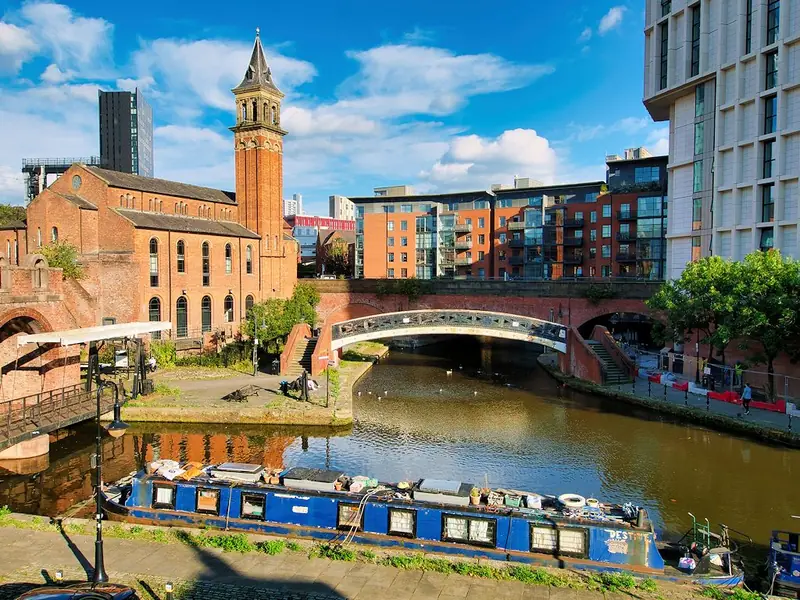
Walk for five minutes to the Castlefield canal basin, where red-brick viaducts, towpaths and moored narrowboats fill a small, sheltered corner of the city.
Afternoon: The John Rylands Library
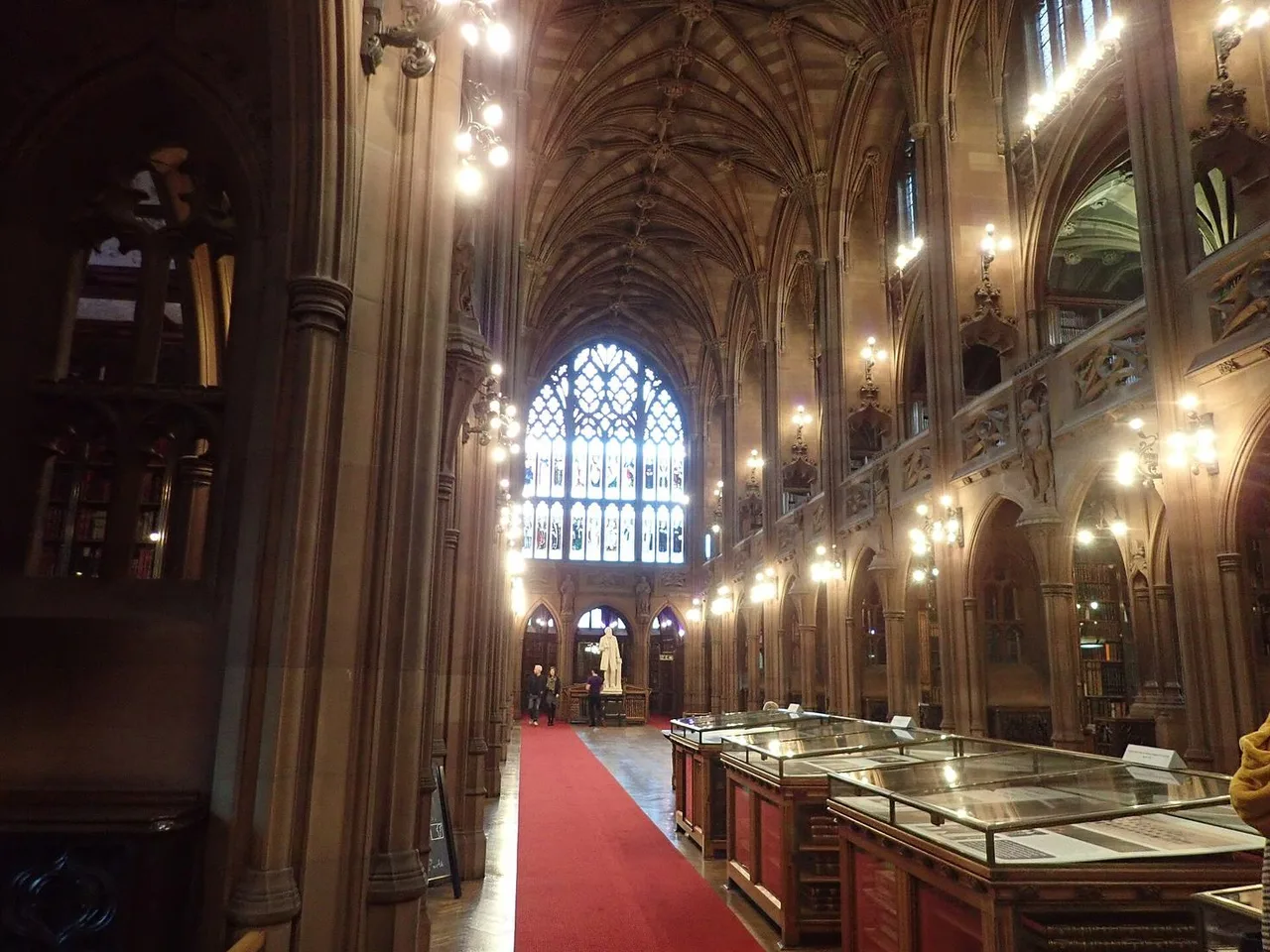
Follow Deansgate to the John Rylands Library, a late-Victorian neo-Gothic building that opened to the public in 1900. It was founded by Enriqueta Rylands in memory of her husband and designed by Basil Champneys. The collections include a Gutenberg Bible and the Rylands Library Papyrus P52, which has a claim to be the earliest surviving fragment of New Testament text. The University of Manchester Library lists visiting details and notes that its events are free to attend. Allow an hour; the reading room alone repays the walk.
Evening: Northern Quarter
From Deansgate it is about a fifteen-minute walk to the Northern Quarter. The district has a long record of live music; the Band on the Wall venue is one example, and Dizzy Gillespie's sign from that venue is on show at the Science and Industry Museum. Choose your pub or restaurant from current listings rather than a fixed recommendation, as venues come and go.
Day 2: Civic Manchester, ideas and art
Morning: Albert Square and the People's History Museum
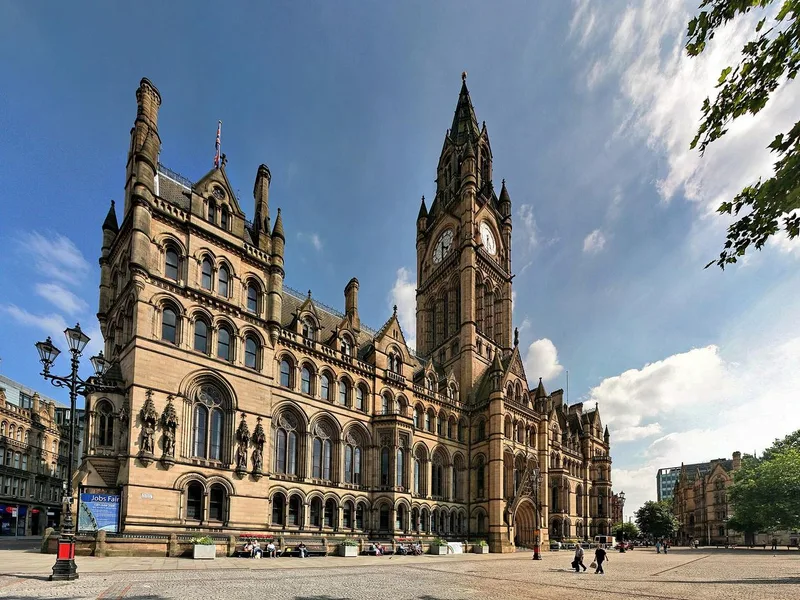
Walk to Albert Square, the civic centre of the city. Manchester Town Hall, which opened in 1877, is in the last stages of a long restoration, with the council expecting completion in spring 2027. Albert Square itself reopened in April 2026, so the exterior and the square are visible even though the interior is not yet open. Then walk down to the People's History Museum by the River Irwell. It calls itself the national museum of democracy and tells the story of how democracy developed in Britain, through radical movements and ordinary people coming together to press for change. Allow a good hour, and check its site for current opening before you set out.
Afternoon: Whitworth Art Gallery and Oxford Road
Take a bus or tram south down Oxford Road to the Whitworth Art Gallery, part of the University of Manchester and set beside Whitworth Park. The gallery pairs its permanent collection with changing shows, and its website lists free-entry exhibitions, including a textile show running until January 2027, so check the current programme before you go. The walk back through the university district shows the other half of the city's ideas story: the neighbourhood of the University of Manchester, where the Baby computer you saw as a replica on Day 1 was first built.
Evening: Cathedral Gardens and an unhurried supper
Return towards the centre and finish in the Cathedral Gardens area near the National Football Museum, where a seasonal ice rink is normally based. If you prefer a quieter evening, return to the Northern Quarter for the bars you scouted on Day 1.
If it rains, on a budget, with kids
If it rains
Manchester is built for it. The Science and Industry Museum, the John Rylands Library, the People's History Museum and the Whitworth are all indoors, and between them they can fill two wet days.
On a budget
Castlefield and the canal paths cost nothing, and the John Rylands Library says its events are free to attend. The Whitworth lists free-entry exhibitions. Albert Square and the Town Hall exterior are free to see, and the Northern Quarter is a good free street walk.
With kids
The Science and Industry Museum is the natural family stop, with locomotives, textile machinery and hands-on galleries. The Castlefield towpaths and the Whitworth Park next to the gallery give children space to run between museum visits.
Day trip or a third day
- Liverpool: about an hour by train. See Liverpool in 2 days for the waterfront and cathedrals.
- York: roughly 90 minutes by train, with a walled centre and a Minster. See York in 2 days.
- The Peak District: roughly 45 minutes by train to Edale on the Hope Valley line for a day on the hills; check National Rail for the timetable.
Practical tips
The Science and Industry Museum, the Rylands and the Whitworth all publish current opening times, and these change around holidays. The Christmas markets draw crowds on weekends, so book accommodation early for November and December. Trams and buses are the easy way to the Oxford Road corridor. Piccadilly Gardens is under works, so use the Metrolink map for current stops. For step-free access, check each venue's visitor page before you plan, since several buildings here are historic.
Frequently asked questions
Can I go inside Manchester Town Hall?
Not yet. The Grade I listed building has been in a long restoration, and the council expects completion in spring 2027. Albert Square in front of it reopened in April 2026, so you can see the Victorian Gothic exterior from the square. Check the council's site for updates on the reopening date and tours.
How far is the Science and Industry Museum from the John Rylands Library?
About a fifteen-minute walk along Deansgate. Castlefield sits between them, so the sequence works naturally: museum first, a canal-basin stroll, then the library. If you want to save your feet, a short Metrolink hop is possible, but most visitors walk.
What is Cottonopolis?
It is the old nickname for Manchester, from the time when the city was the centre of the world's cotton industry. The Science and Industry Museum's Textiles Gallery explains how cotton shaped the city, including the links to transatlantic slavery. It is a good first stop for understanding the brick streets you will walk through.
Where will the Christmas markets be in 2026?
The Manchester Evening News reports that the markets open on Friday 6 November 2026 across ten locations, with Albert Square the main hub and others at St Ann's Square, King Street, Cathedral Gardens and Market Street. Piccadilly Gardens is not a market site this year because of its redevelopment.
More city guides
- Liverpool in 2 days: docks, cathedrals and music, an hour away by train.
- York in 2 days: a walled medieval centre across the Pennines.
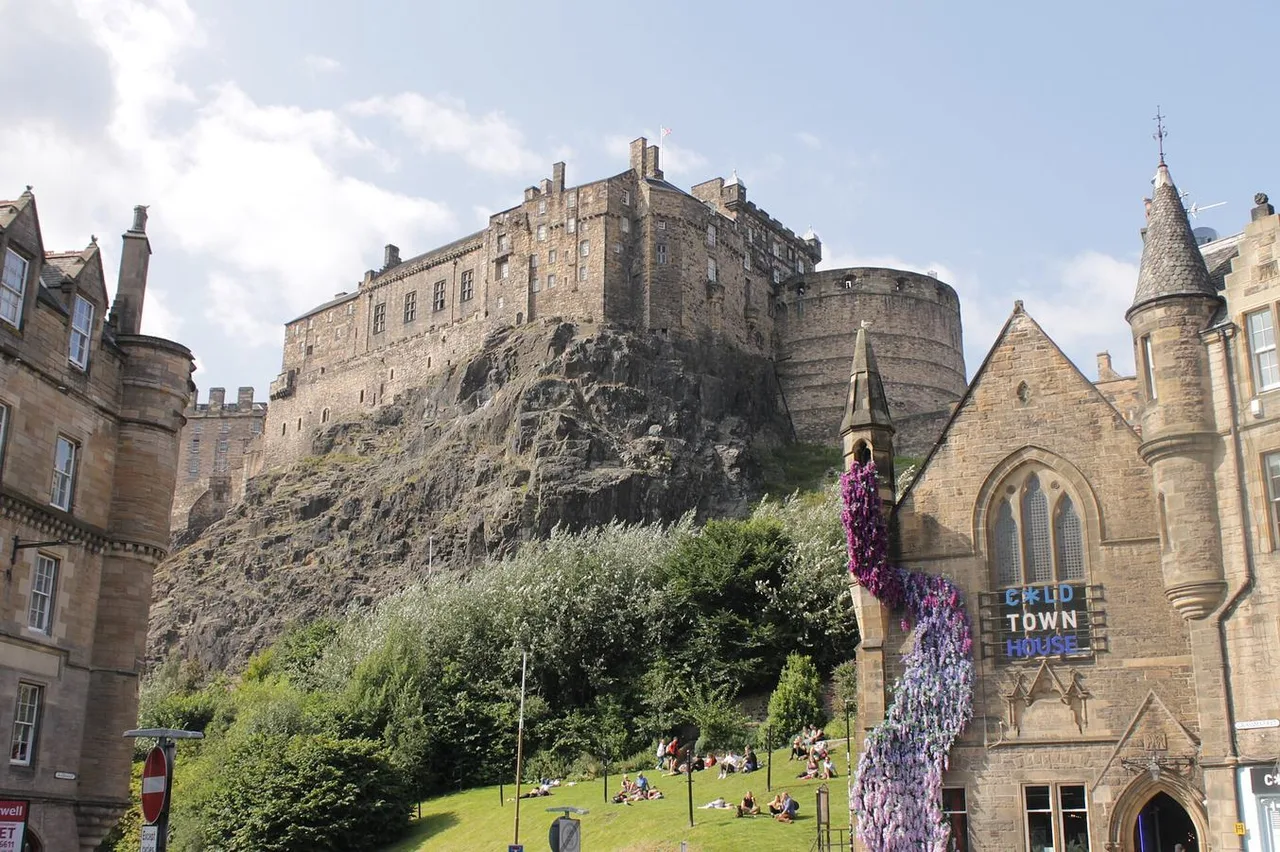
- Edinburgh in 2 days: castle ridge and volcano, a longer rail trip north.
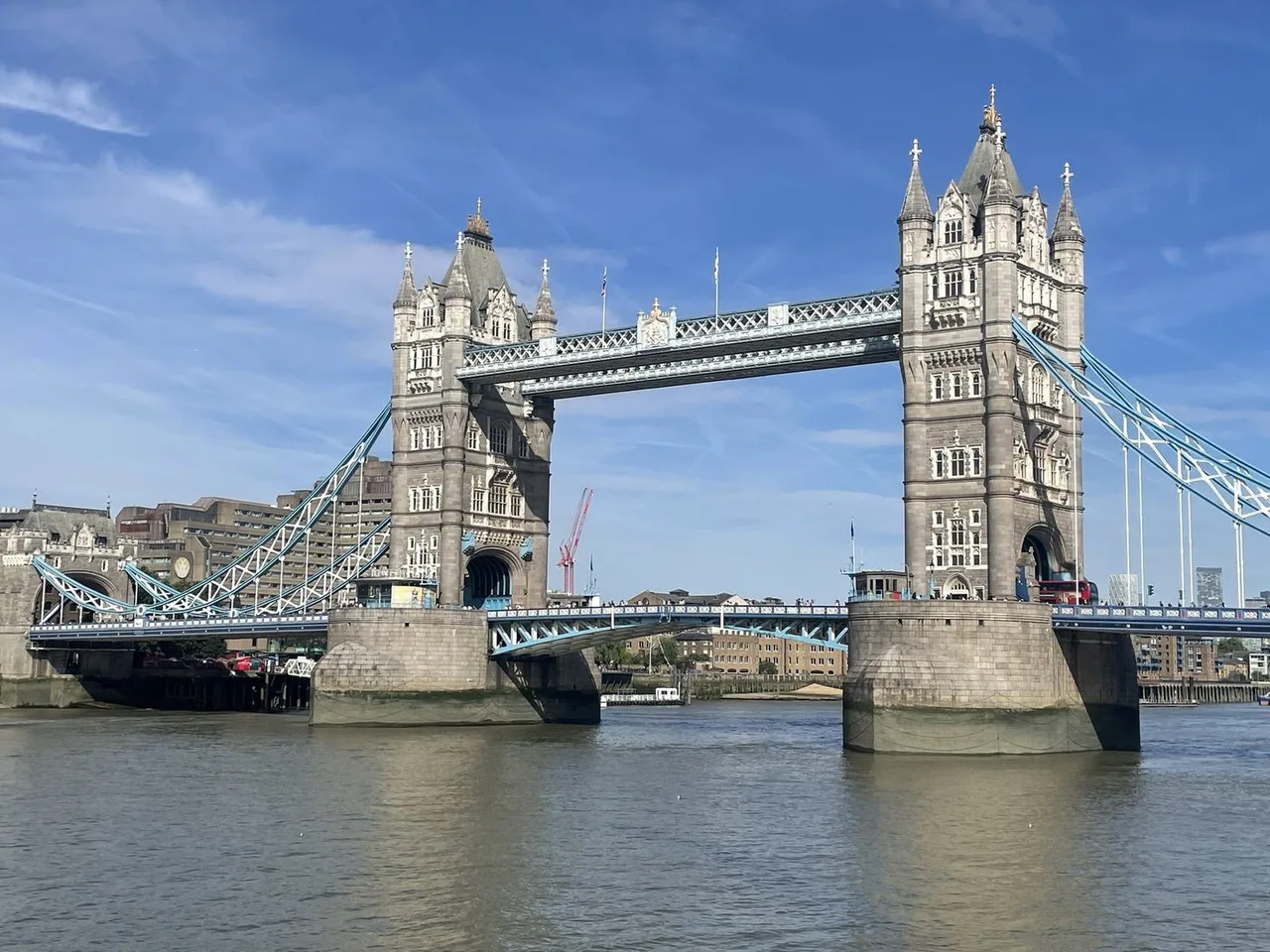
- London in 2 days: the capital, a couple of hours south by train.
- Dublin in 2 days: literary and Georgian, across the Irish Sea.
.jpg)
