The Ringstraße is the key to Vienna in 2 days. The boulevard was laid out on the line of the demolished city walls, and most of what visitors want to see sits either on it or a short tram ride away. This itinerary is for first-time visitors to Wien who like museums, palaces and long café afternoons, and who would rather learn the layout than chase a list. Day one covers the old centre, the Hofburg and the Kunsthistorisches Museum, and day two goes out to Schönbrunn and the Belvedere before settling into a coffeehouse.
Quick facts
- Country and region: Austria, in the federal state and capital city of Vienna on the Danube.
- Main airport: Vienna International Airport (VIE), in Schwechat south-east of the centre.
- Main station: Wien Hauptbahnhof, south of the inner city.
- Getting around: U-Bahn, trams, buses and S-Bahn run by Wiener Linien; the inner city is walkable.
- Currency: euro (EUR).
- Language: German; English is widely used in museums and cafés.
- Time zone: Central European Time (UTC+1), with summer time.
- Best months: April to June and September to October.
Best time to visit
Spring and autumn suit the two big outdoor stops: the Schönbrunn gardens are open and the Belvedere garden is at its best, while museum queues are shorter than in August. Summer can be hot, and a few smaller sights keep reduced hours, though several large museums add extra opening days in the warm months. December fills the city for Advent, which is when hotel demand peaks, and January and February are quiet and cold with the concert season running. The coffeehouses suit any month. Dates for balls and festivals are published yearly, so check the Vienna Tourist Board calendar rather than relying on a fixed week.
Getting there and around
Airport trains are in flux in 2026 and 2027. wien.info explains that, from 7 September 2026 until the end of October 2027, a central section of the S-Bahn between Praterstern and Hauptbahnhof is closed for modernisation. The City Airport Train therefore runs a replacement bus service to Wien Mitte, taking about 21 minutes. The REX 7 reaches Hauptbahnhof in about 20 minutes, and Railjet and Intercity trains reach it in about 15. Vienna Airport buses also serve Schwedenplatz and Karlsplatz.
Inside the city, a validated single ticket covers one journey in the core zone, and the wien.info tickets page also lists a 24-hour ticket, a 7-day ticket and the Vienna City Card. Tickets for the airport are separate, so read the page before you buy.
Trams line the Ring and make the best sightseeing ride for the money. Walk the inner city, then use the U-Bahn to reach Schönbrunn and the tram D for the Belvedere.
Where to stay
The Innere Stadt (first district) puts the cathedral, the Hofburg and the Ring at your door. It is the right base for two days and for evening concerts, with U-Bahn stations at Stephansplatz and Karlsplatz.
Neubau and Mariahilf, the sixth and seventh districts, sit just beyond the Museumsquartier. They have independent cafés and shops, and tram or U-Bahn rides reach the centre in a few minutes. This is the area for visitors who like small hotels.
Landstraße, near the Belvedere and Wien Mitte, is practical for early trains and the airport bus, and a short walk from the Upper Belvedere gate. Hotels near Hauptbahnhof suit late arrivals.
Day 1: The Ring and the imperial centre
Morning: Stephansdom and the Hofburg
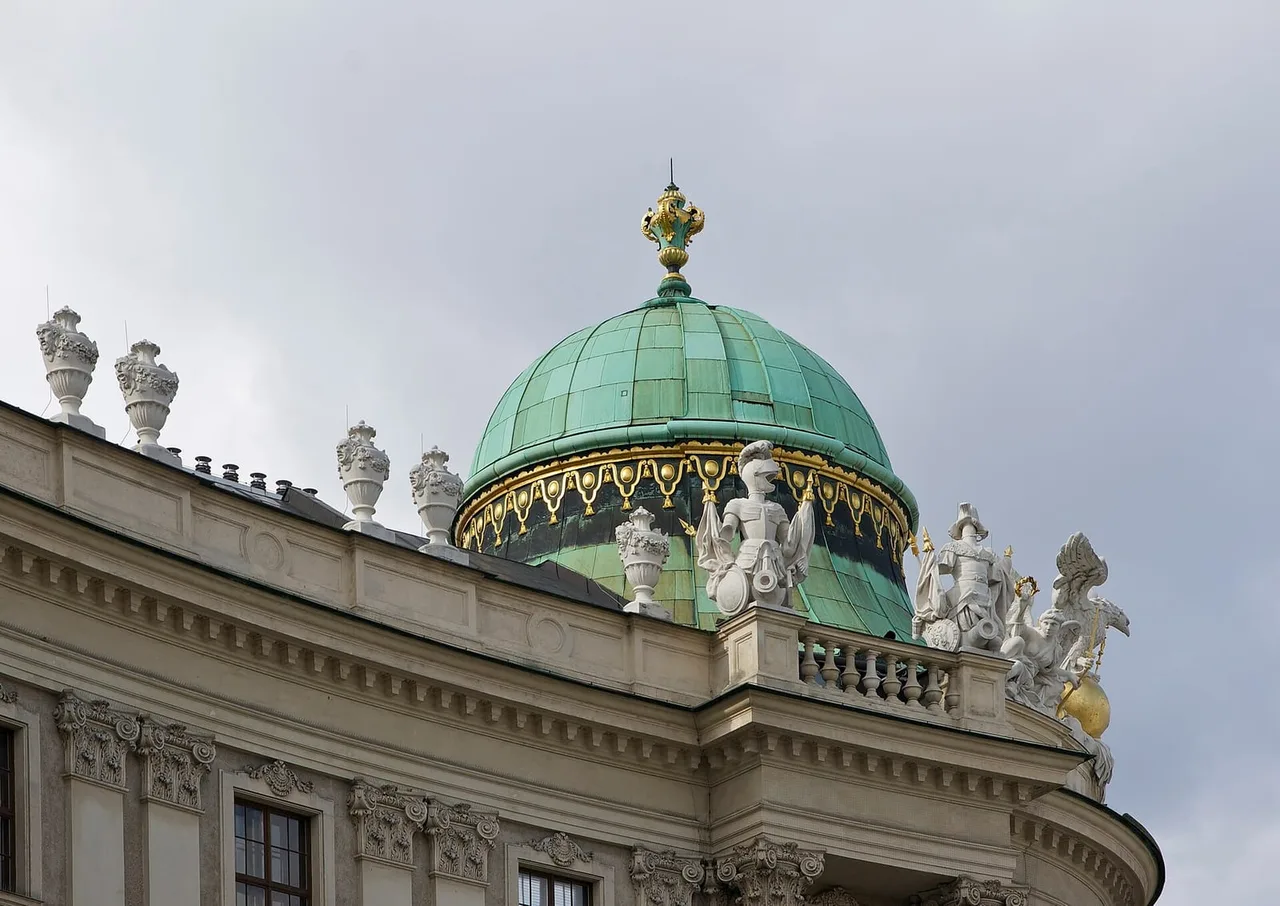
Start at Stephansplatz. UNESCO dates St Stephen's Cathedral to the 14th and 15th centuries and places the Hofburg's first parts in the same period. Walk along the Graben to Michaelerplatz and into the Hofburg, a palace that grew over centuries; the Neue Hofburg was added in 1874 as part of the Imperial Forum. From Heldenplatz, look back at the dome and statues on the roofline, then continue to the Burggarten for a rest. Palace interiors, the Spanish Riding School and the Imperial Treasury each need their own ticket and slot, so choose one at most. The walk from Stephansplatz to Heldenplatz is about 15 minutes at a slow pace, which leaves time for a coffee on the Graben and a look inside the cathedral nave before the Hofburg courtyards. If the weather is clear, pause in the Burggarten before the museum; it lies right next to the Ring and is a good place to eat a packed lunch.
Afternoon: the Kunsthistorisches Museum
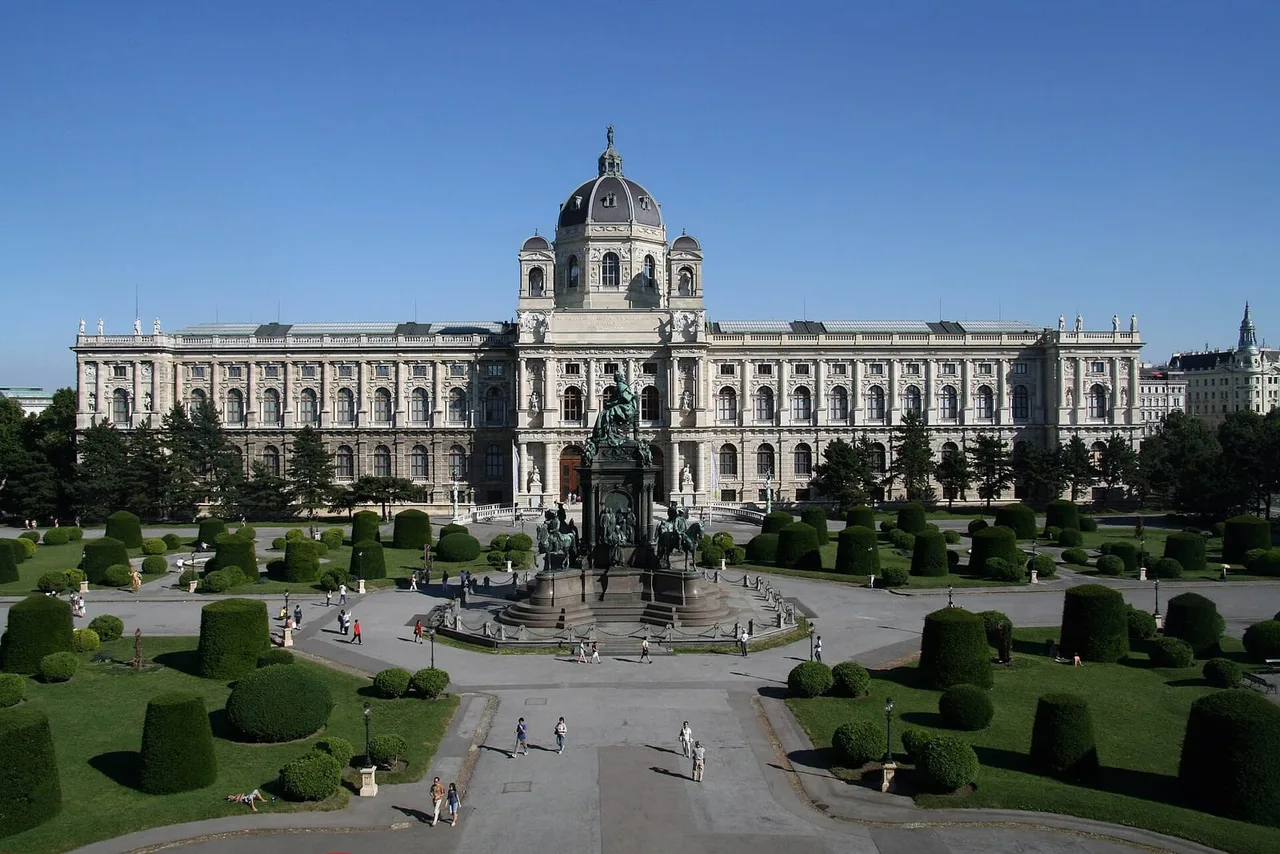
Cross the Ring to Maria-Theresien-Platz. The Kunsthistorisches Museum holds art from seven millennia, from ancient Egypt to the late 18th century, with Renaissance and Baroque holdings at the centre. Its building opened in 1891, and the entrance hall, staircase and cupola hall form a single dramatic sequence, with Canova's Theseus Slaying the Centaur on the stairs. Three hours is enough; pick the Bruegel rooms and the cupola hall and leave the rest.
Evening: a ride around the Ring
At dusk board a tram on the Ring. UNESCO lists the Burgtheater, parliament, town hall and university as an ensemble linked to the Hofburg, with the opera house and many public buildings along the boulevard, so the ride works as a guided tour. Dinner afterwards fits the Museumsquartier or a restaurant near Stephansplatz.
Day 2: Schönbrunn, the Belvedere and coffeehouse hours
Morning: Schönbrunn Palace
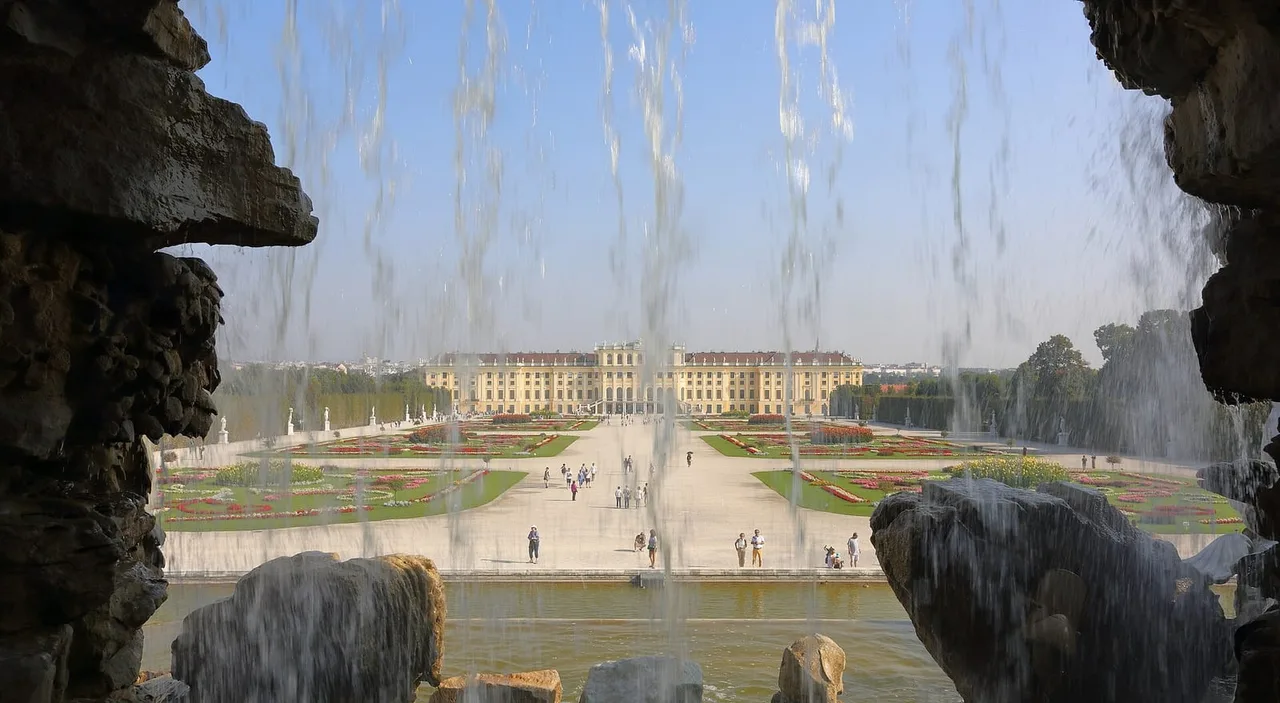
Take the U-Bahn to Schönbrunn early. Admission to the palace uses fixed time slots, and the Schönbrunn ticket page offers the Palace Ticket, the State Apartments, a Maria Theresa guided tour and passes such as the Classic Pass that add the gardens and views. The same page warns about fake ticket sites and names imperialtickets.com as the only official online seller; check the page when you book.
After the interiors, climb through the gardens to the Gloriette terrace for the view back over the palace. The garden paths are free to wander, which helps if the palace slot is full. The park is large, so walk the main axis first and branch out only if time remains. Lunch is easiest in a café near the palace entrance or back in Hietzing, the district around Schönbrunn, which wien.info mentions for its suburban coffeehouses; that saves queuing at the busiest hour and keeps the afternoon at the Belvedere unhurried.
Afternoon: the Upper Belvedere
Ride the D tram to Schloss Belvedere. The Belvedere calls the Upper Belvedere a Baroque palace with 800 years of art history, with masterpieces by Klimt, Schiele and van Gogh. Klimt's The Kiss is the best-known work. The Belvedere's garden, one of Europe's significant historical gardens, links the Upper and Lower palaces, and the walk between them takes ten minutes.
Evening: a Viennese coffeehouse
Finish where the city itself finishes its days. Viennese coffeehouse culture is recorded in Austria's inventory of intangible cultural heritage, maintained by the Austrian UNESCO Commission. wien.info recommends Café Sperl, founded in 1880 and known for the Sperltorte, and Café Ritter on Mariahilfer Straße, among others. Sit as long as the waiter lets you. Sperl is closed on Sundays in July and August, so check before you go.
If it rains, on a budget, with kids
If it rains
The Kunsthistorisches Museum can absorb a whole wet day, and Schönbrunn's palace interiors run indoors. The Belvedere's Upper palace is indoors too. Coffeehouses make the real rain plan.
On a budget
The cathedral exterior, the Graben, the Ring, the Burggarten and the free Schönbrunn gardens cost nothing. The Belvedere publishes concession rates for students under 26 and seniors, and children and young people under 19 pay nothing on its current page. Wiener Linien tickets and a Vienna City Card can both save money, depending on how often you ride.
With kids
Schönbrunn has a Children's Museum on its ticket list, and the gardens have the maze listed in the Classic Pass. The Museumsquartier courtyard gives space to run.
Day trip or a third day
Vienna Woods
About 30 to 45 minutes by public transport. The site's article on a spring walk from Vienna into the Vienna Woods explains routes and tickets for a half day of hiking.
Wachau valley
Around one hour by train. The Wachau guide covers seasons, trains and walks on the Danube terraces.
Bratislava
About one hour by train. Bratislava in 2 days shows a compact old town on the Danube and works as an easy extra day.
Practical tips
Book Schönbrunn and the Kunsthistorisches Museum online if you visit in summer or at weekends, and buy only on the official sites. Validate paper transport tickets at the blue machines before you ride; inspectors check regularly.
Dress for church interiors at Stephansdom and respect services. Trams and U-Bahn stations are largely step-free on modern lines, but check the Wiener Linien site for lift status. The Belvedere and the Kunsthistorisches Museum describe step-free access on their pages.
Frequently asked questions
Which airport train should I take during the S-Bahn closure?
Take the Railjet or the REX 7 to Hauptbahnhof, or the replacement bus to Wien Mitte. wien.info says the closure runs from 7 September 2026 to the end of October 2027. The S7 stops short of the centre at St. Marx, so do not rely on it for the city.
How long does Schönbrunn take?
Allow about three hours with the gardens. The palace uses timed entry, and the Classic Pass lists its attractions as a visit of three to four hours. Book a morning slot, then see the Gloriette while the light is good.
Can I add Budapest to a Vienna trip?
Yes, by train, in roughly two and a half hours. Budapest in 2 days picks up where this guide leaves off and is better treated as a separate stay than a day trip.
Is a coffeehouse worth the time on a tight schedule?
Plan it as a block, not a quick stop. Order one drink and stay an hour; the table is yours, newspapers are on offer, and no one rushes you. It is also the cheapest seat in a historic interior.
More city guides
- Bratislava in 2 days: a Danube capital about an hour away by train.
- Budapest in 2 days: castle district and thermal baths, a Railjet ride east.
- Salzburg in 2 days: Mozart's city and a hilltop fortress to the west.
- Graz in 2 days: a UNESCO old town to the south.
- Prague in 2 days: a castle hill and Old Town to the north-west.