
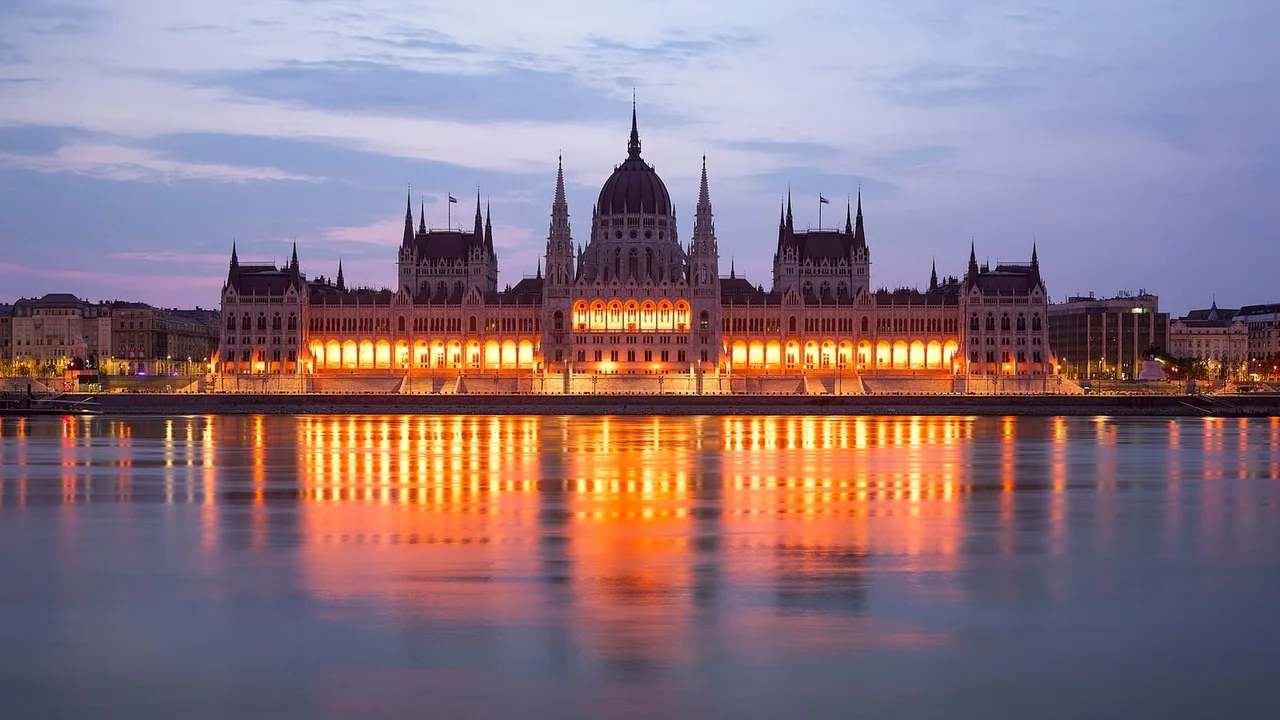
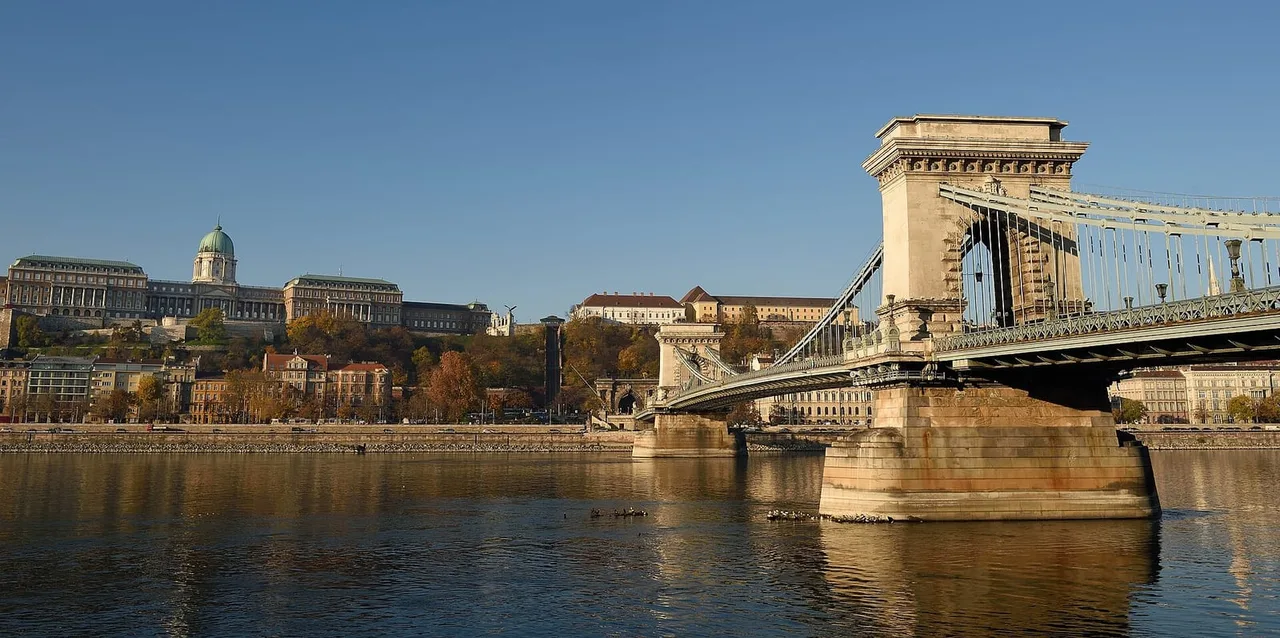
Budapest in 2 days is a tale of two banks. Buda holds the hill, the palace and the old castle quarter; Pest holds the Parliament, the boulevards, the baths and most of the evenings. This itinerary is for first-time visitors who are happy to walk across bridges, ride a few trams and finish at least one day in warm water. Day one belongs to the river and the castle district, day two to Andrássy Avenue and the Széchenyi Thermal Bath, and the two halves of the city are linked by a Chain Bridge that opened in 1849.
Quick facts
- Country and region: Hungary, in the capital city of Budapest on the Danube.
- Main airport: Budapest Liszt Ferenc International Airport (BUD), south-east of the centre.
- Main station: Budapest-Keleti, the main terminus for international trains.
- Getting around: metro, trams, buses and boats run by BKK; the BudapestGO app sells most tickets.
- Currency: Hungarian forint (HUF).
- Language: Hungarian; English is common in hotels and attractions.
- Time zone: Central European Time (UTC+1), with summer time.
- Best months: April to June and September to October.
Best time to visit
Spring and early autumn give mild days for Castle Hill and the long Pest boulevards. Summer is hot, and the thermal baths are busiest on weekends, though the outdoor pools stay pleasant after the heat breaks. Winter has a special case for the baths: steaming outdoor pools in cold air are a draw in their own right, but daylight is short, so keep the castle visit for the early part of the day. Festivals and the Advent markets vary by year; check the official city tourism calendar before booking rooms, because hotel demand follows them.
Getting there and around
From the airport, the 100E Airport Express runs around the clock to Deák Ferenc tér via Kálvin tér, according to BKK. It needs a dedicated airport shuttle ticket, which can be bought with a bank card on board or in the BudapestGO app. Regular bus 200E takes ordinary tickets but follows a different route and does not reach the centre directly.
By train, international services arrive at Budapest-Keleti; domestic lines also use Nyugati and Déli. The Millennium Underground, the first underground railway in continental Europe, built under Andrássy Avenue between 1893 and 1896, still runs as metro line M1 and links the city centre to City Park.
Walking covers much of both days. The Chain Bridge is a short walk from Deák Ferenc tér, and the Castle Hill climb takes about 15 minutes on foot or a short ride on the funicular from Clark Ádám tér. The trams along the Danube embankment in Pest, and the M2, M3 and M4 metro lines, handle longer hops.
Where to stay
Inner Pest, around Deák Ferenc tér and St Stephen's Basilica, puts the metro, the river and the Jewish Quarter within a short walk. It is the easiest base for a first visit and for late evenings.
The Castle District in Buda is quiet at night and beautiful at dawn, but expect a climb with luggage and fewer dining choices; it suits short stays with early starts.
The Seventh District (Erzsébetváros) is the choice for nightlife and the ruin bars, with trams and the M2 nearby. Light sleepers should pick a courtyard-facing room.
Day 1: Castle Hill and the river
Morning: Buda Castle District
Begin on Castle Hill, which UNESCO describes as the medieval and Baroque quarter, with the castle first built by King Béla IV after the devastation of 1241 and 1242. Matthias Church and the Fisherman's Bastion share the same square. The bastion was built between 1895 and 1902 to a design by Frigyes Schulek, and its seven towers are said to stand for the seven Magyar tribes. Arrive early, because the terraces fill with groups by mid-morning.
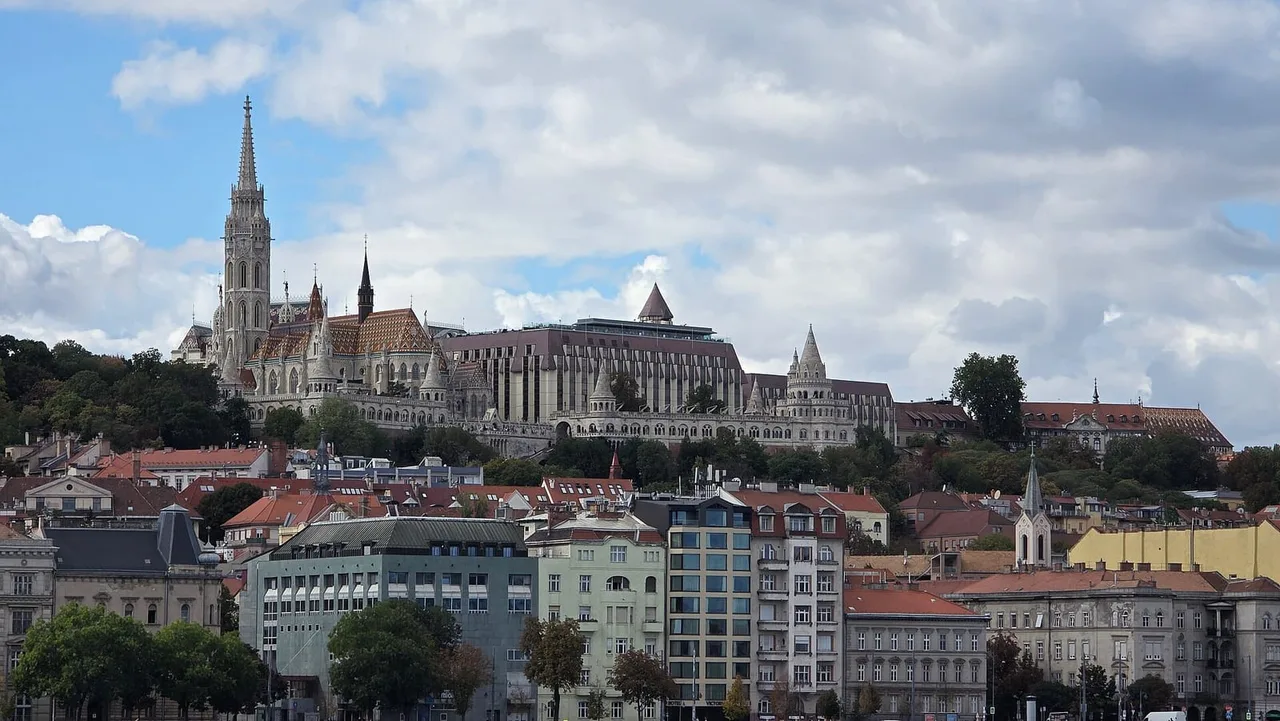
The Royal Palace at the southern end of the hill houses the Hungarian National Gallery, which lists current opening days as Tuesday to Sunday, with the ticket office closing an hour before the galleries, and it also holds the National Széchényi Library, founded in 1802, as the Buda Castle site explains. Choose between the gallery and a long walk on the palace terraces.
Afternoon: Chain Bridge and the Parliament
Walk down to the Chain Bridge. UNESCO notes that W. T. Clark's suspension bridge was completed in 1849 and symbolised the reunion of Buda and Pest, which was formalised in 1873. Cross on foot, then walk north along the Pest embankment to the Hungarian Parliament. The neo-Gothic building was built between 1884 and 1904, and from the embankment you see its whole river frontage. If you want the interior, check the Parliament's visitor service for timed tours and book before you arrive.
Along the embankment is a memorial of iron shoes, which marks Jewish victims shot into the river in the winter of 1944 and 1945. Visit it quietly.
Evening: the lit riverfront
After dinner, return to the water. The Parliament and the castle hill are floodlit after dark, and a walk from the Chain Bridge to Liberty Bridge on the Pest side shows both. Trams along the embankment make the return easy. A Danube boat trip is the lazy alternative if your legs have had enough.
Day 2: Andrássy Avenue and the baths
Morning: Andrássy Avenue to Heroes' Square
Start at Deák Ferenc tér and take the M1, or walk, up Andrássy Avenue. UNESCO inscribed the avenue in 2002 as part of the property, with Heroes' Square and the City Park among its high-quality realisations of nineteenth-century urban planning. Ride the old underground one way, then walk back above ground past the Opera and the cafés. At the end, Heroes' Square gives a wide frame to the park behind it. The avenue is about two and a half kilometres long, so walk the section between the Opera and Oktogon slowly and take the underground for the rest. Stop for coffee at one of the old cafés on the way, then continue into City Park, where the path to the bath is short and mostly shaded. Plan lunch near the park entrance, because the bath area has queues at midday and you will want a full afternoon there.
Afternoon: Széchenyi Thermal Bath
The Széchenyi Thermal Bath sits in City Park. Its FAQ advises buying tickets in advance online, because online buyers get priority when the bath is full. Date and time slots cannot be changed once bought, so choose the day carefully. You exchange your QR code for a wristband at the entrance, so download tickets before arrival. A "Good morning Budapest" ticket is sold only in person on weekday mornings before 9. The bath does not accept euros at the desk, so bring a card. Bring a towel and swimwear.
Evening: the Jewish Quarter
Return to the Seventh District. The Dohány Street Synagogue is open for visits except on Saturdays and Jewish holidays, so check hours before you plan it for the early evening. Afterwards, the ruin bars in the surrounding streets fill old courtyards with mismatched furniture. Choose one, rather than hopping through five; the streets stay busy late.
If it rains, on a budget, with kids
If it rains
The Hungarian National Gallery, the National Széchényi Library's public areas and the thermal bath all work indoors, and the baths are in fact better in cool rain. The Great Market Hall at the Pest end of Liberty Bridge is another shelter.
On a budget
The embankment walk, Castle Hill streets, Andrássy Avenue and the Chain Bridge cost nothing. Choose one museum and one bath in the two days. The BKK site lists single tickets and travel passes; compare them with a few single rides.
With kids
The old M1 underground has short hops, and City Park has open space. The Széchenyi Thermal Bath sets its own age limits, so read them on the bath's site before you plan a family afternoon there. The Castle Hill funicular is a simple treat.
Day trip or a third day
Szentendre
About 40 minutes by suburban railway (HÉV) from Batthyány tér, a small riverside town with galleries and cafés.
Vienna
About 2.5 hours by train. Vienna in 2 days covers the Ring, the Hofburg and the coffeehouses, which suits a longer trip.
Bratislava
About 2.5 hours by train. Bratislava in 2 days shows a small old town on the Danube, a good pairing on the way to Vienna.
Practical tips
Book the Széchenyi Thermal Bath online, and take swimwear, a towel and flip-flops. Pre-book Parliament visits and bring photo identification. Many museums close one day a week, and the Hungarian National Gallery states its own schedule, which includes a late opening on some special days, so check before you leave the hotel.
Validate or buy the right ticket for each ride. BKK inspectors check on trams and buses, and the airport express has its own ticket. Public transport is mostly accessible on newer lines, but the old castle streets have cobbles; the funicular helps with the climb.
Frequently asked questions
Which bus should I take from the airport?
Take the 100E to Deák Ferenc tér if you want the centre. It runs all day and night and requires the airport shuttle ticket. The 200E uses ordinary tickets but links to the metro instead of the centre directly. BKK notes the shuttle ticket is not valid on the 200E.
Do I need to pre-book the Széchenyi Thermal Bath?
It is not essential, but the bath advises buying online, as online tickets get priority when it is full. Tickets cannot be exchanged for another date or time slot, and the last entry is one hour before closing. Fast-track tickets have morning and afternoon versions.
How do I get up to Castle Hill?
Walk up from the Chain Bridge, or use the funicular at Clark Ádám tér. City buses also serve the hill. The walk is short but steep, so allow extra time with a pram or a suitcase.
Is the Dohány Street Synagogue open on Saturdays?
No. It is closed on Saturdays and Jewish holidays. Visit on another day, and check the opening times for the month, since they change with the seasons.
More city guides
- Bratislava in 2 days: a small Danube capital about 2.5 hours up the river by train.
- Vienna in 2 days: imperial palaces and coffeehouses, a Railjet ride west.
- Zagreb in 2 days: a Croatian capital of upper and lower towns to the south-west.
- Prague in 2 days: a castle hill and Old Town to the north-west.
- Belgrade in 2 days: a Serbian capital on two rivers, further south.
.jpg)
