The forest begins close to the city
One of the most convenient things about hiking around Vienna is that a forest day does not need to begin with a car journey or complicated planning. Vienna's official city hiking paths are signposted, maintained and reachable by public transport. Many routes lead through the wooded western edge of the city, allowing an ordinary urban morning to turn into a quiet walk among trees.
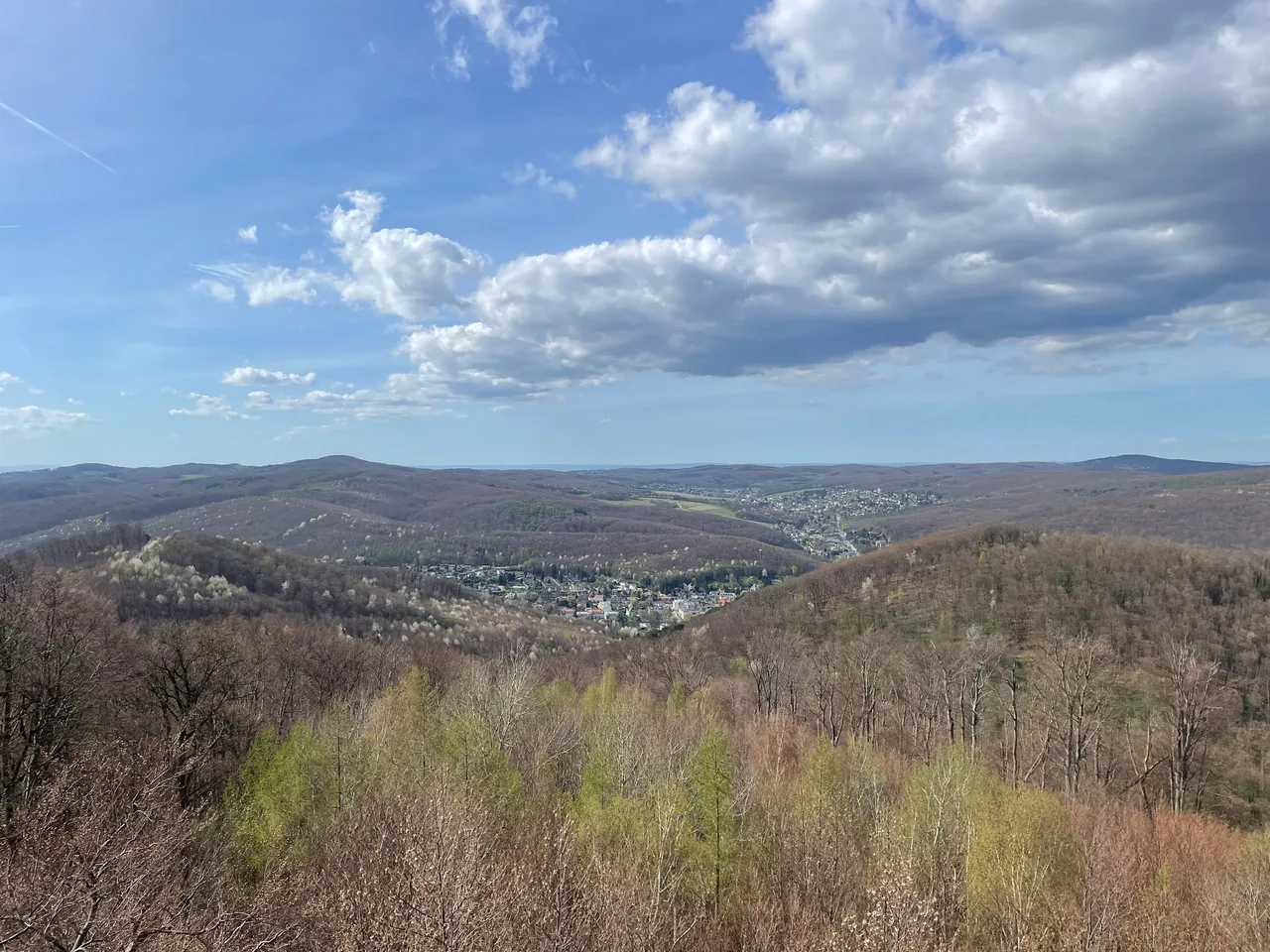
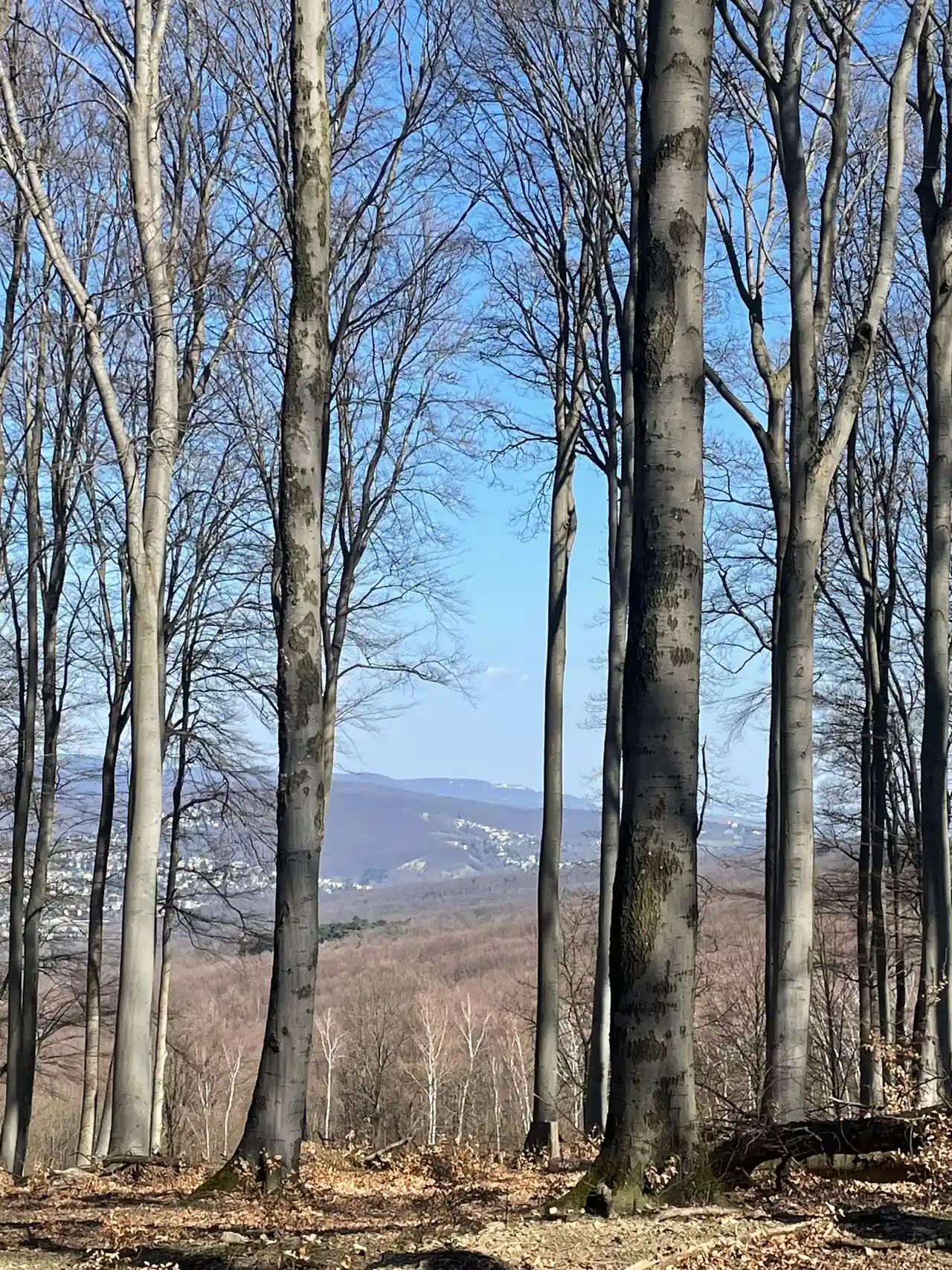
In spring, the transition feels especially clear. Streets and transport stops give way to broad paths, leaf-covered forest floors and open ridges. Early in the season, the trees may still be bare, so the views between the trunks can be surprisingly wide. Fresh green then appears gradually in the lower vegetation and on sunny slopes.
Comfortable walking rather than a major expedition
The Vienna Woods are suitable for many styles of outing. A visitor can choose a short walk, a half-day route or a longer hike without treating the day like an alpine expedition. The established network includes marked paths, resting places and viewpoints. Sturdy everyday walking shoes may be enough on dry, easy paths, although wet spring conditions can make forest ground muddy and slippery.
A good approach is to choose a destination that can be reached and left by public transport. That removes the need to return to a parked car and makes point-to-point walks possible. It also leaves room to shorten the outing if the weather changes.
A small social ritual on the trail
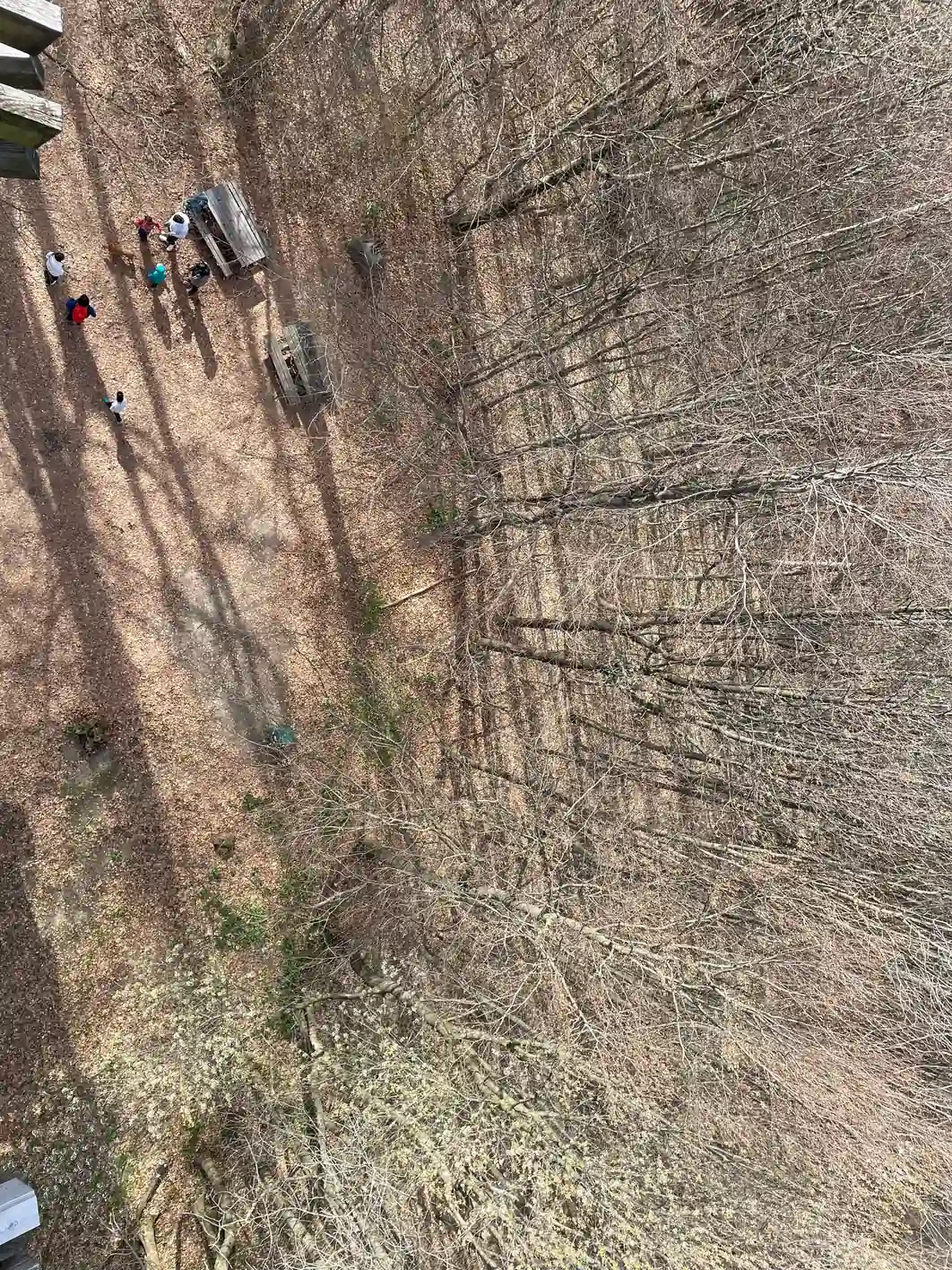
The atmosphere changes too. Walkers passing one another often exchange a brief greeting. It is a small gesture, but it makes the forest feel shared rather than anonymous. Near shelters and benches, people pause, check the route, drink water and continue at their own pace.
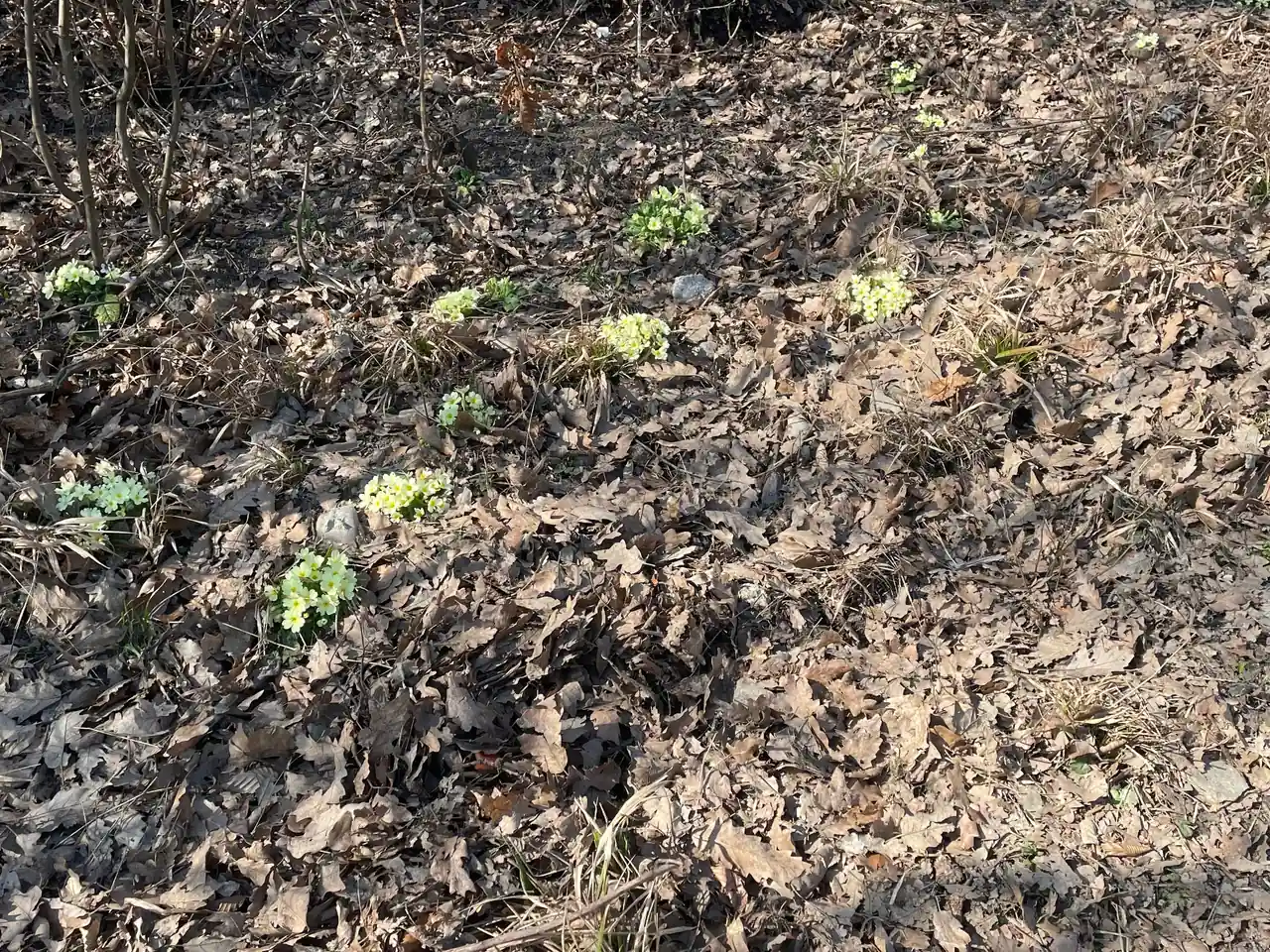
The result is a kind of freedom that is unusual so close to a capital: leave the city, breathe woodland air, follow a good path and return home the same day. Spring is ideal for discovering this convenience because every visit shows the forest at a slightly different stage of awakening.
Practical spring notes
- Check the weather before leaving and carry a light rain layer.
- Expect mud after rain, even when the main paths are in good condition.
- Use marked routes and respect temporary restrictions.
- Carry water and take litter back to the city.
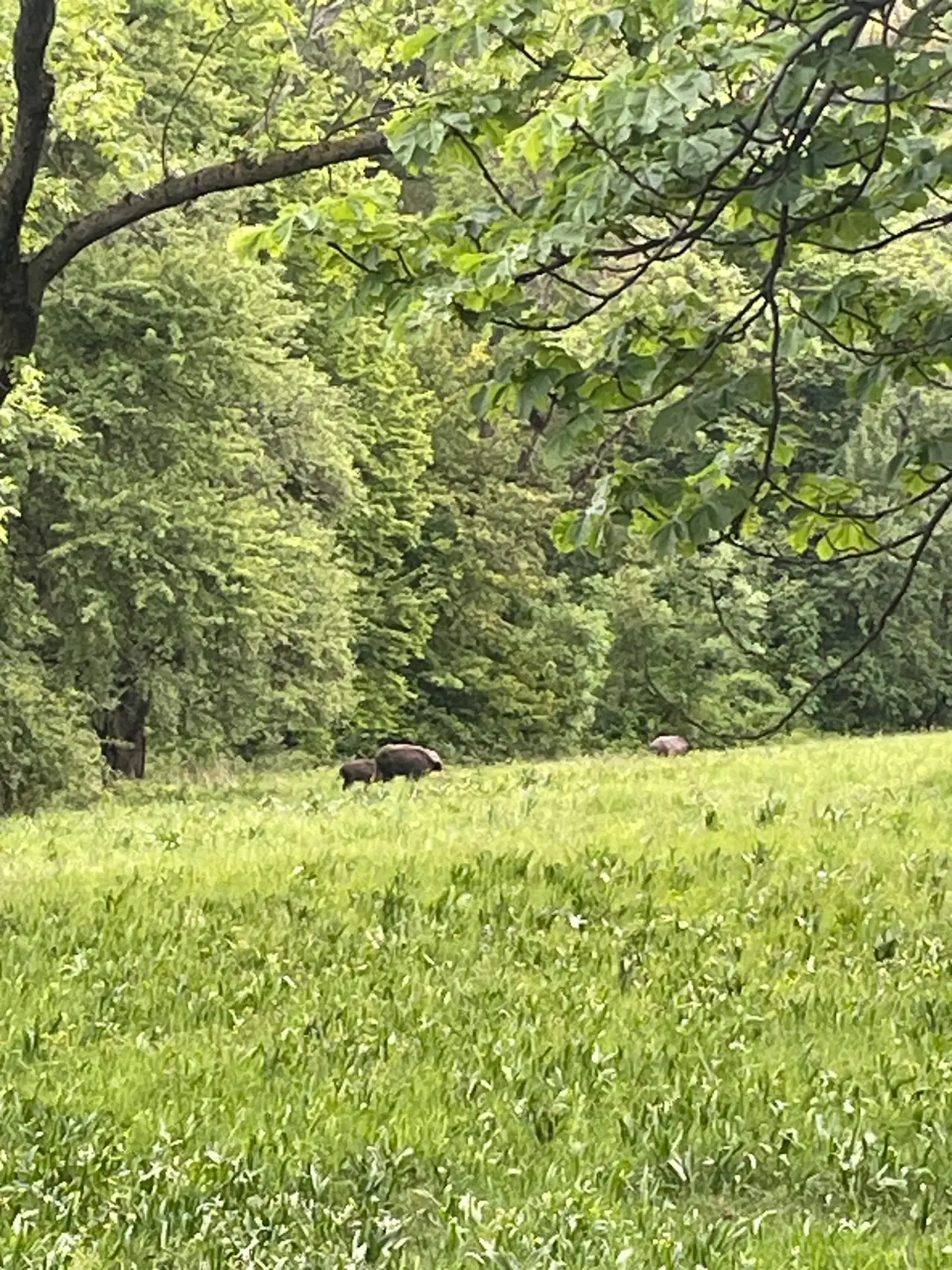
- Give wildlife space and observe quietly from a distance.