Lisbon in 2 days is a plan about hills, the river and a few monuments that deserve the time. Lisboa, as the city is called in Portuguese, rises in terraces from the Tagus, so the best itinerary groups the flat riverfront on one day and the steep old quarters on the other. This guide suits travellers who are happy to walk uphill, ride the odd tram and sit still at a viewpoint. Day 1 follows the river from the Belém monuments to the Baixa grid, and Day 2 climbs to the castle, drops through Alfama and ends with fado, the song form that UNESCO recognises.
Quick facts
- Country and region: Portugal, on the Atlantic coast at the mouth of the Tagus.
- Main airport: Humberto Delgado (LIS), a short ride north of the centre; the metro connects it to the city.
- Main stations: Lisboa Oriente and Santa Apolónia for long-distance trains, Rossio for the Sintra line.
- Getting around: Metro, Carris trams and buses, funiculars and lifts; the centre is walkable but steep.
- Currency: euro (EUR).
- Language: Portuguese.
- Time zone: Western European Time, one hour behind most of the continent, with summer time in season.
- Best months: April to June and September to October.
Best time to visit
Spring and early autumn suit this plan best. The hills are less punishing than in July and August, light stays clear for the viewpoints, and the trams run without the worst of the summer queues. Midsummer is hot on the exposed castle walls and in the Baixa, so start early and rest at midday. Winter is mild but wet, which makes museums and the covered stops more attractive.
The tourism board visitlisboa.com publishes route ideas such as a Saramago Route, a Baroque Route and a Nature Route, and lists festival dates each year. Check the official calendar for events during your dates.
Getting there and around
The airport sits a short distance from the centre, and the Metro de Lisboa links it with the city; the metro runs every day from about half past six in the morning until one at night, according to its site. Taxis are the other quick option. By rail, long-distance services use Oriente and Santa Apolónia, while the Sintra line leaves from Rossio, Oriente and Entrecampos, as the park operator notes.
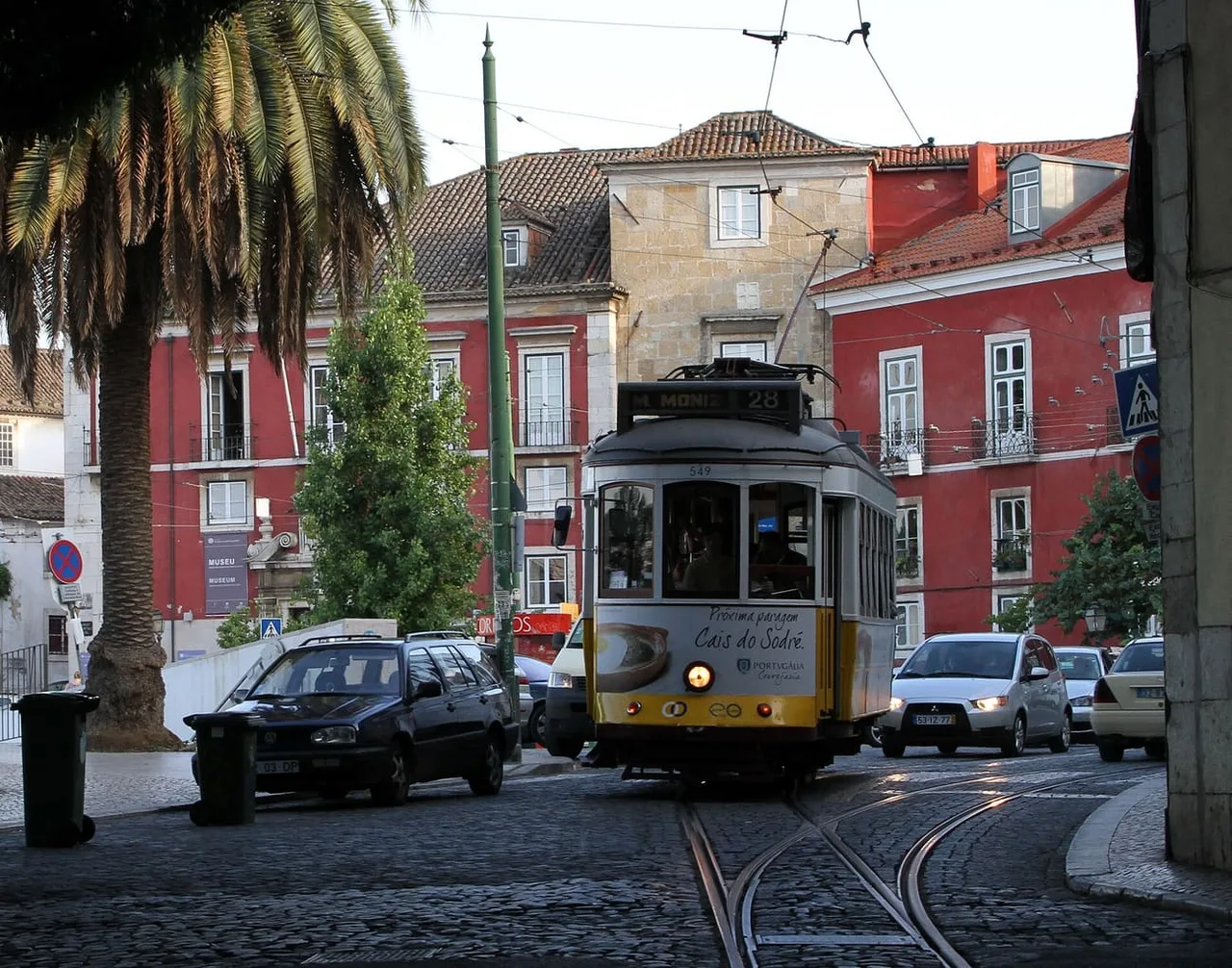
Inside the city, buy a rechargeable card. The Metro de Lisboa fare page lists a 24-hour ticket for Carris and the metro, and a larger "Travelling all Lisboa" ticket that adds CP trains to Cascais and Sintra. Tram 28E is both transport and sightseeing: Carris lists its route from Martim Moniz through Graça, Portas do Sol, Santa Luzia, the cathedral and Chiado to Prazeres.
On foot, Praça do Comércio to the Baixa grid is flat. Alfama and the castle are steep, so use the lifts and a tram where you can. For a trip west, Sintra in 2 days explains the train and bus routes in detail.
Where to stay
Baixa and Chiado are the easiest bases. They are flat by Lisbon standards, close to the metro and to the Rossio and Cais do Sodré stations, and a short walk from Praça do Comércio. Expect traffic and nightlife noise in the busiest streets.
Alfama and Graça suit travellers who want to wake up among the old lanes and viewpoints. They are close to the castle, the cathedral and the fado houses, but the climbs with luggage are real, and trams are the practical link.
Príncipe Real and the Bairro Alto sit higher to the west, with restaurants and bars into the night. They connect to the centre by funiculars, the metro or a ten-minute downhill walk.
Day 1: Belém and the riverfront
Morning: Belém
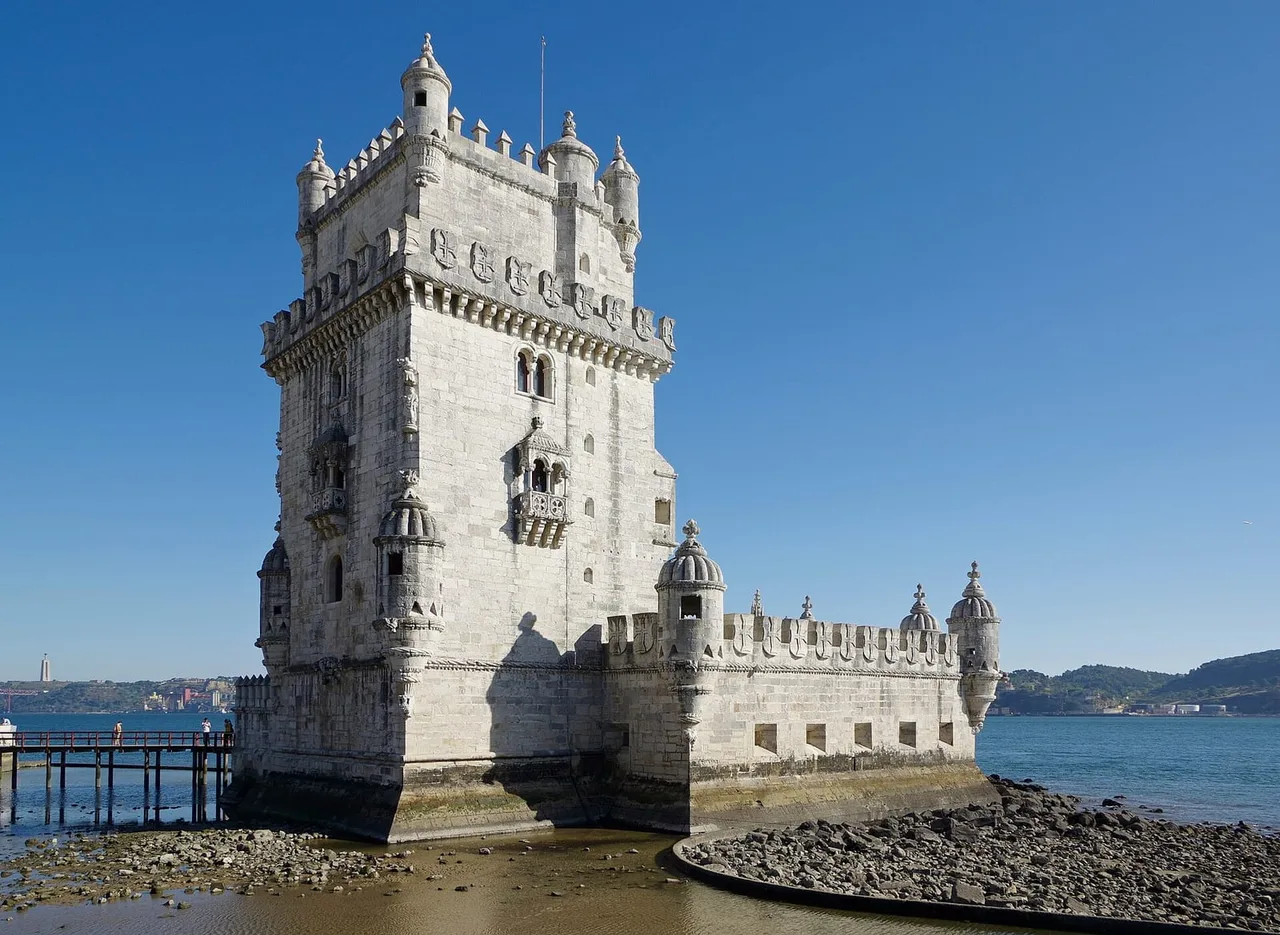
Take a tram or a CP train west to Belém. The Jerónimos Monastery was founded in the late 15th century by Manuel I and is an example of Manueline art; its 16th-century cloister survives. Visit Lisboa gives its closing days as Mondays and a few holidays, so plan this stop for another weekday. The Tower of Belém, built around 1514 by Francisco de Arruda, stands by the Tagus. UNESCO lists both as one World Heritage property and notes that the monastery is still a parish church, so keep voices low. Inside the monastery look for the cloister, the former refectory and the library that UNESCO names; at the tower, notice the cross of the Knights of Christ repeated along the parapets and the watch turrets capped with ribbed domes that echo Islamic architecture. The tower once helped defend the port, and it commemorates Vasco da Gama's expedition. Allow about two hours for the pair, plus a slow walk along the river between them. Read the UNESCO file for the background on both.
Afternoon: Baixa and Praça do Comércio
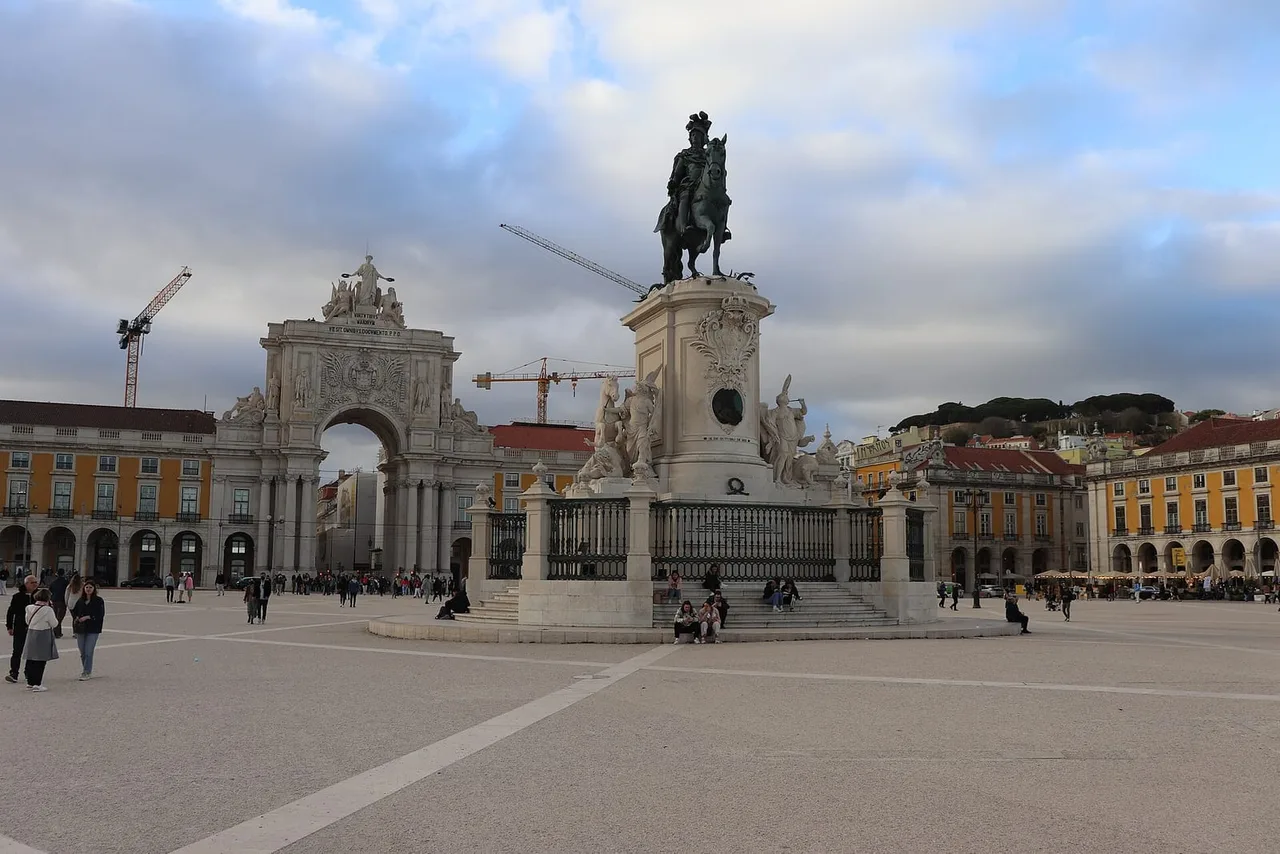
Return to the centre and walk to Praça do Comércio, the large square on the water with the Rua Augusta arch, then up the straight Baixa streets. Stop for lunch in the grid and watch the working life of the lanes, with trams passing on the edges. From the square it is a short, flat walk through the Baixa to Rossio, where a spare hour can go to a coffee and to the station hall if you plan the Sintra trip for another day.
Evening: Chiado and Cais do Sodré
Walk uphill to Chiado for a coffee or a viewpoint, then dine in the streets between Chiado and Cais do Sodré. Cais do Sodré is also the terminus of the CP line to Cascais, so it is a handy place to check train times for the following days. If you want fado on your first night, ask your lodging which houses book ahead.
Day 2: Alfama, Graça and the viewpoints
Morning: Castelo de São Jorge
Reach the castle early. Its official site says it is open every day except five dates, with a longer day from March to October. The main entrance is on Rua de Santa Cruz, and a guided tour called Discovering the Castle is included in the admission. A rule worth knowing: the site names BOL (Bilheteira Online) as the only authorised online ticket platform, so avoid look-alike sellers. The complex is a classified National Monument, and the archaeological area shows how the Moorish quarter housed the military, religious and administrative elites in the 11th and 12th centuries. Access to that area is limited to the guided tour, and the camera obscura in the Ulysses Tower works only with a guide and in good weather. From the Baixa you can use public lifts that cut most of the climb, one on Rua dos Fanqueiros and another near Chão do Loureiro.
Afternoon: Alfama and Graça
Descend through Alfama to the cathedral and the Santa Luzia and Portas do Sol viewpoints, which are stops on the tram 28E route. The Museu do Fado, in a restored building near the Alfama lanes, has been open since 1998 and traces the genre with audioguides. Between visits, sit for a while on the terrace at Santa Luzia, where the roofs fall toward the river. For tram 28E itself, board near Martim Moniz or Graça to avoid the longest queues at the central stops.
Evening: Fado
UNESCO inscribed fado on its Representative List in 2011 and describes it as music and poetry widely practised in Lisbon, often in small fado houses and neighbourhood associations. Choose a venue where the singers are the focus, book ahead, and ask about the format when you reserve. The evening pairs well with the last light at a viewpoint.
If it rains, on a budget, with kids
If it rains
A wet day can fill with indoor stops: the Jerónimos cloister, the Museu do Fado and the museum inside the castle. Trams give some cover, and the metro runs until late.
On a budget
The viewpoints, Praça do Comércio, the Belém promenade and the Baixa lanes are free to enjoy. Compare the 24-hour transport ticket with single fares before you buy, and check the official sites for free-admission days at the monuments.
With kids
The tram, the lifts and the castle walls hold children's attention, and the Tower of Belém is a short, easy visit. Keep the Alfama climbs short and plan an ice-cream break.
Day trip or a third day
Sintra
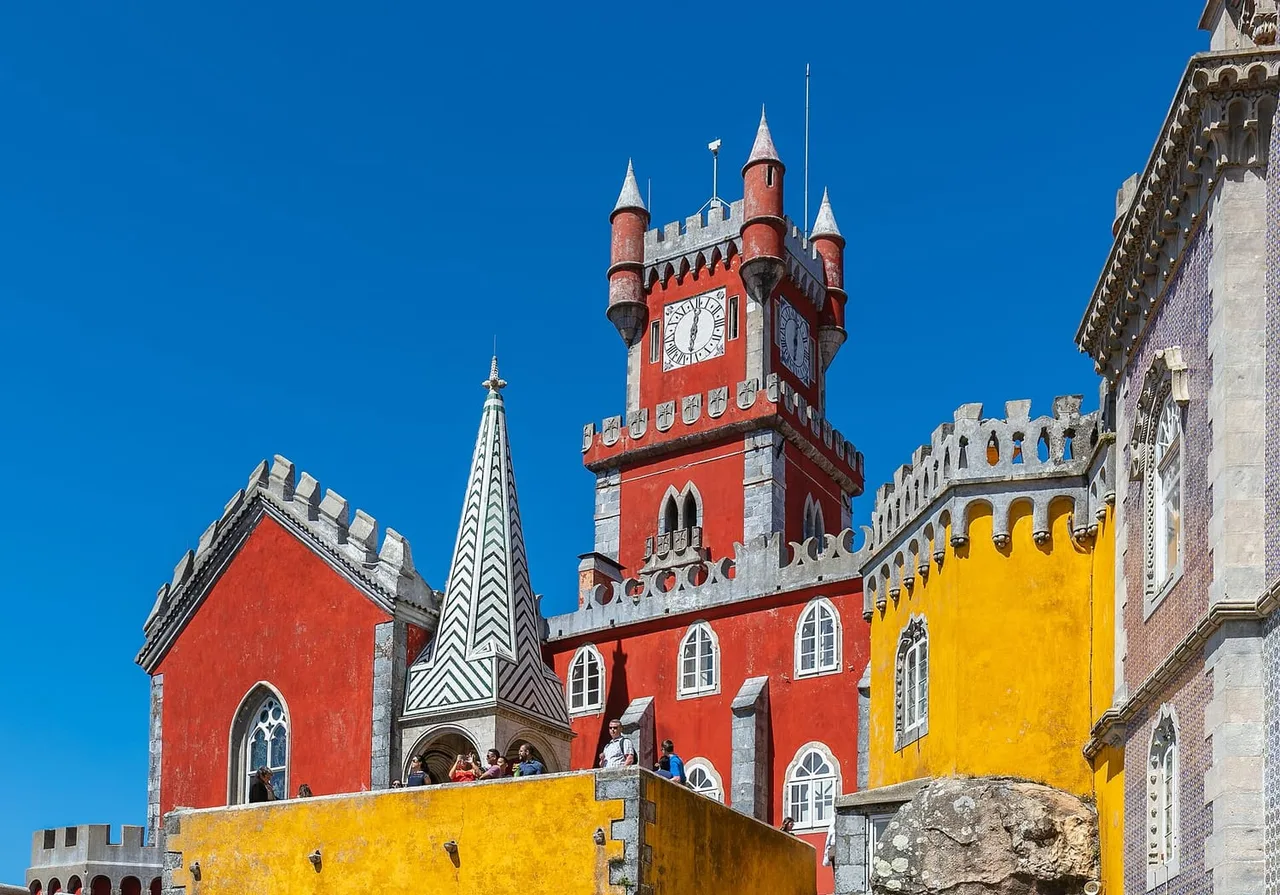
CP trains from Rossio, Oriente or Entrecampos reach Sintra in about 40 minutes, and the palaces there fill a full day. See Sintra in 2 days for how to split them and for the buses.
Cascais
The CP line from Cais do Sodré runs along the coast to Cascais in roughly 40 minutes, with beaches and a seafront walk. The "Travelling all Lisboa" ticket covers this train.
Further north
For a longer journey, Porto in 2 days and Coimbra in 2 days are reached by CP trains and each deserves a separate stay.
Practical tips
Book the Jerónimos Monastery and the Tower of Belém through their official sites, and buy castle tickets only on the authorised platform. Several monuments are closed on Mondays, so check Visit Lisboa or the monument page. The streets are paved with cobbles and polished limestone, so wear shoes with grip.
For accessibility, ask the operator before you plan around a tram or a lift. Visit Lisboa lists traveller information, and the Metro status page shows line and lift updates.
Frequently asked questions
Which Lisbon tram should I take?
Tram 28E is the classic ride, running between Martim Moniz and Prazeres via Graça, Portas do Sol, the cathedral, Chiado and Estrela, according to Carris. It is crowded at midday, so board at a terminus or early. For a quieter ride, plan a different line or walk the Alfama stretch.
Is the Tower of Belém worth the queue?
It is a short visit, mostly about the exterior, and many travellers pair it with the monastery nearby. UNESCO dates it to around 1514 and links it to Vasco da Gama's expedition. If lines are long, enjoy it from the promenade and spend the time in the cloister instead.
Where do I hear fado?
UNESCO says fado is performed in small fado houses and by amateurs in neighbourhood associations. Alfama and the old quarters are the traditional areas. The Museu do Fado gives context first, and houses usually need a reservation.
Can I use one ticket for Sintra and Cascais?
The "Travelling all Lisboa" ticket on the Metro de Lisboa site is valid for 24 hours on Carris, the metro and CP's Sintra and Cascais lines, according to the operator. Check the current price and conditions before you buy.
More city guides
- Sintra in 2 days: palaces in the hills, reached by train from Rossio.
- Coimbra in 2 days: a university town halfway to Porto.
- Porto in 2 days: the northern riverfront city.
- Madrid in 2 days: the next capital to the east.
- Seville in 2 days: Andalusia, best treated as a separate trip.