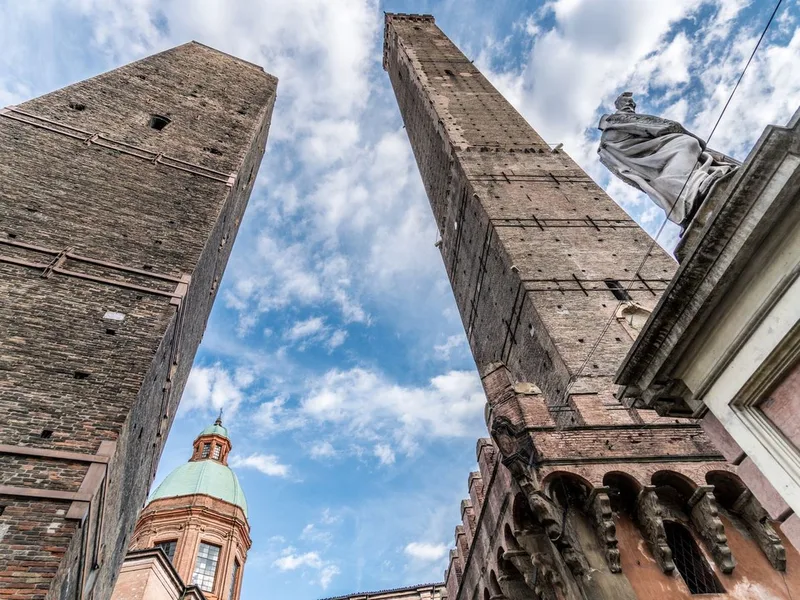
Bologna in 2 days fits neatly into two walks: the medieval centre around Piazza Maggiore on the first day, and the long portico up to the San Luca hill on the second. It suits food-minded visitors and anyone who wants a university town with good rail links and a rain plan built into its streets. Bologna sits in Emilia-Romagna, and its covered arcades run for 62 km according to UNESCO, the largest portico system in the world. The plan below names the places to eat, flags the Two Towers' access status, and says where to find the quieter streets.
Quick facts
- Country and region: Italy, in Emilia-Romagna.
- Main airport: Bologna Guglielmo Marconi (BLQ); the Marconi Express runs to the station.
- Main station: Bologna Centrale, a major junction for fast trains.
- Getting around: walk under the porticoes; buses cover the longer distances.
- Currency: euro (EUR).
- Language: Italian.
- Time zone: CET (UTC+1), with CEST (UTC+2) from late March to late October.
- Best months: April to June and September to October.
Best time to visit
April to June and September to October give pleasant walking weather, and the porticoes make showers a minor problem in any season. Summer afternoons are hot. Winter days are short but the arcades keep the pavements dry, and indoor sights stay open.
San Luca is the one stop where weather matters, because the hill walk and its viewing terrace are best on a clear day. The Bologna Welcome site lists the autumn programme and a jazz festival that runs from 13 October to 8 November in 2026; use the official Bologna Welcome calendar to check dates.
Getting there and around
The airport shuttle is the Marconi Express, which runs from the airport to Bologna Centrale from 5:40 am to midnight and advertises a trip time of 7 minutes. Between midnight and 5:40 am bus line Q connects the airport and the station.
Bologna Centrale is a main junction for Trenitalia and Italo. High-speed trains reach Florence in roughly 40 minutes and Milan in about an hour, so Bologna works as a rail base for northern Italy. Confirm times in the operator's app.
The centre is compact. From Bologna Centrale to Piazza Maggiore is about 1.5 km, walkable along Via dell'Indipendenza. Piazza Maggiore to the Two Towers is about 400 m, and the university quarter lies a few minutes north-east. Only the San Luca walk needs a longer plan: it starts at Porta Saragozza, a little over 1 km west of the main square.
Where to stay
The medieval core around Piazza Maggiore and the market streets puts you in the middle of the plan. You can walk everywhere, and the evening scene is lively, though rooms are small.
The university quarter, north-east of the towers, is where students drink and eat. The University of Bologna, which calls itself the oldest in the Western world, dates its founding to 1088, and the area still reflects that. It suits travellers who enjoy lively streets late in the evening.
Near Bologna Centrale and Via dell'Indipendenza you trade atmosphere for convenience. Trains, the airport shuttle and a straight walk to the centre are all close. Choose the Santo Stefano or Saragozza side if you want a calmer base and an easier start to the San Luca walk.
Day 1: Piazza Maggiore and the medieval centre
Morning: Piazza Maggiore and San Petronio
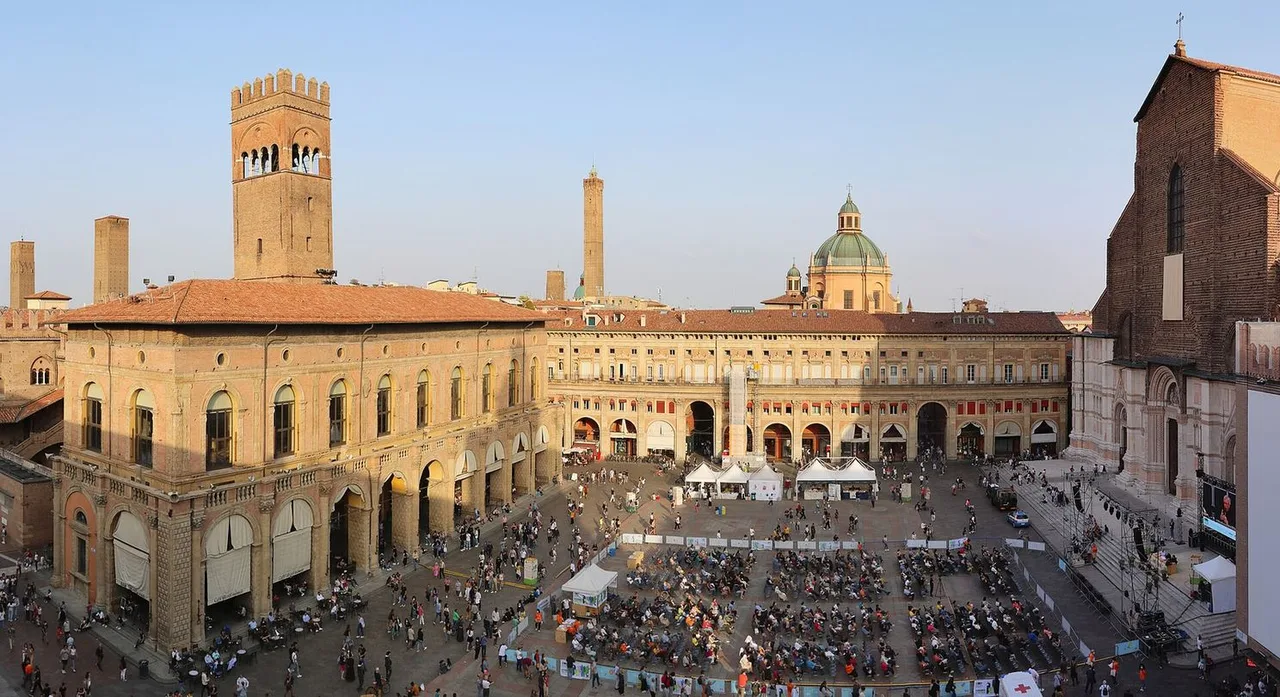
Start in Piazza Maggiore, the main square, framed by the Palazzo d'Accursio and the huge brick Basilica of San Petronio. The basilica's own site says the city council ordered its construction in 1388 and that the plan was to build a church larger than St Peter's in Rome. The panoramic terrace is now permanently closed, so look at the facade from the square and go in for the nave. The Neptune Fountain stands in the adjoining Piazza del Nettuno. For a 360-degree view, Bologna Welcome points visitors to the Clock Tower instead.
Afternoon: the market streets and the Two Towers
Walk into the Quadrilatero, the grid of food streets east of the square, where delicatessens sell mortadella, fresh pasta and Parmigiano Reggiano. Order tortellini in brodo or tagliatelle al ragù for lunch. Then continue to Piazza di Porta Ravegnana. The Asinelli tower was built between 1109 and 1119 and rises 97 metres, with 498 internal steps. Garisenda is 47 metres tall and leans steeply; Dante mentions it in Canto XXXI of the Inferno. On the date this guide was checked, Bologna Welcome listed the Asinelli as closed to the public and the Garisenda as not accessible, so enjoy them from below and check the page for changes.
Evening: university streets
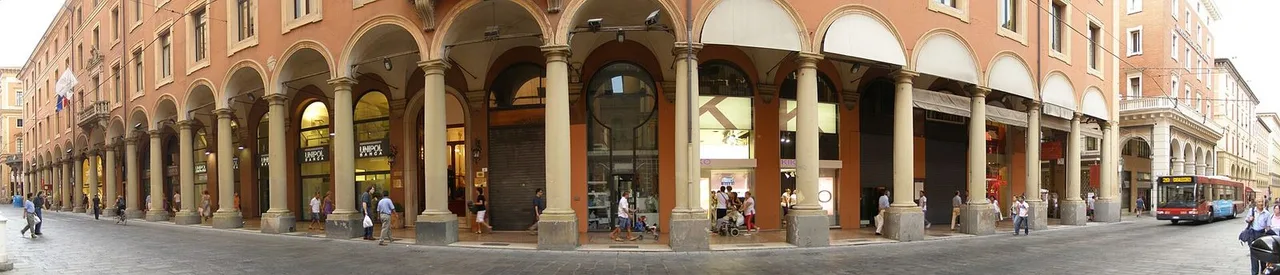
Walk north-east along Via Zamboni, the university's main street, under the porticoes. The arcades are the point: Bologna's public portico tradition goes back to a 1288 Statute, and the city still regulates them as private property for public use. Pick a bar for an aperitivo, then eat a second plate of pasta in a small osteria.
Day 2: San Luca and the hills
Morning: the portico to San Luca
Start at Porta Saragozza and follow the covered walkway up to the Sanctuary of the Madonna di San Luca. The city's portico site says construction began in 1674, and the route is about 3,600 metres long. The first stretch of about 1.5 km is flat along Via Saragozza, then the Meloncello Arch of 1718 crosses the street, and the last 2 km climb with steps. Some sources claim 666 arches, but the city says the number is slightly lower, depending on the count. The sanctuary is free to enter, and its panoramic terrace, opened in 2017, offers a 180-degree view toward the centre; the terrace stands 42 metres above the Colle della Guardia, which is itself about 300 metres above sea level. Opening hours are posted on Bologna Welcome's sanctuary page and shift slightly between March and October, and a procession has carried the Byzantine Madonna and Child down this route since 1433. Start early so the climb is done before the heat, and bring water.
Afternoon: Santo Stefano
Return to the centre for lunch, then walk to the Santo Stefano complex, a group of linked churches around a quiet square. It is quiet in the early afternoon and gives the second half of the day a slower pace. From there, wander the lanes between Santo Stefano and the towers, which are pedestrian-friendly and full of small shops. If you want a break, sit in the square for a coffee, since few other places in the centre are as calm on a weekday afternoon. Keep an hour spare to return to the Quadrilatero for anything edible you want to carry home.
Evening: dinner and a last walk
Spend the last evening in the market streets, which fill after work. Choose a trattoria that serves tagliatelle al ragù and a plate of cured meats, and finish with a walk on Piazza Maggiore, which is lively after dark. Return to the station along Via dell'Indipendenza, a straight line of porticoes.
If it rains, on a budget, with kids
If it rains
The porticoes are the plan: UNESCO's listing explains that the arcades serve city life in any climatic condition. For indoor stops, use San Petronio, the Santo Stefano churches and the guided tours that Bologna Welcome lists for the town hall. Skip the San Luca climb in a downpour and do it the next clear morning.
On a budget
Walking the porticoes, Piazza Maggiore and the San Luca sanctuary costs nothing. The sanctuary lists free entry. A market lunch of bread, mortadella and cheese is cheaper than a restaurant meal.
With kids
The first 1.5 km of the San Luca portico is flat, so it works with a stroller, and the Meloncello Arch is a good turning point for small children. The city's Giardini Margherita park offers a break. Piazza Maggiore is open and traffic-free.
Day trip or a third day
Modena, about 30 minutes by regional train
Modena has a Romanesque cathedral begun in 1099 and a tower called the Ghirlandina, finished in 1319, which UNESCO lists with Piazza Grande. It makes an easy half-day with lunch. Check the Trenitalia timetable.
Florence, about 40 minutes by fast train
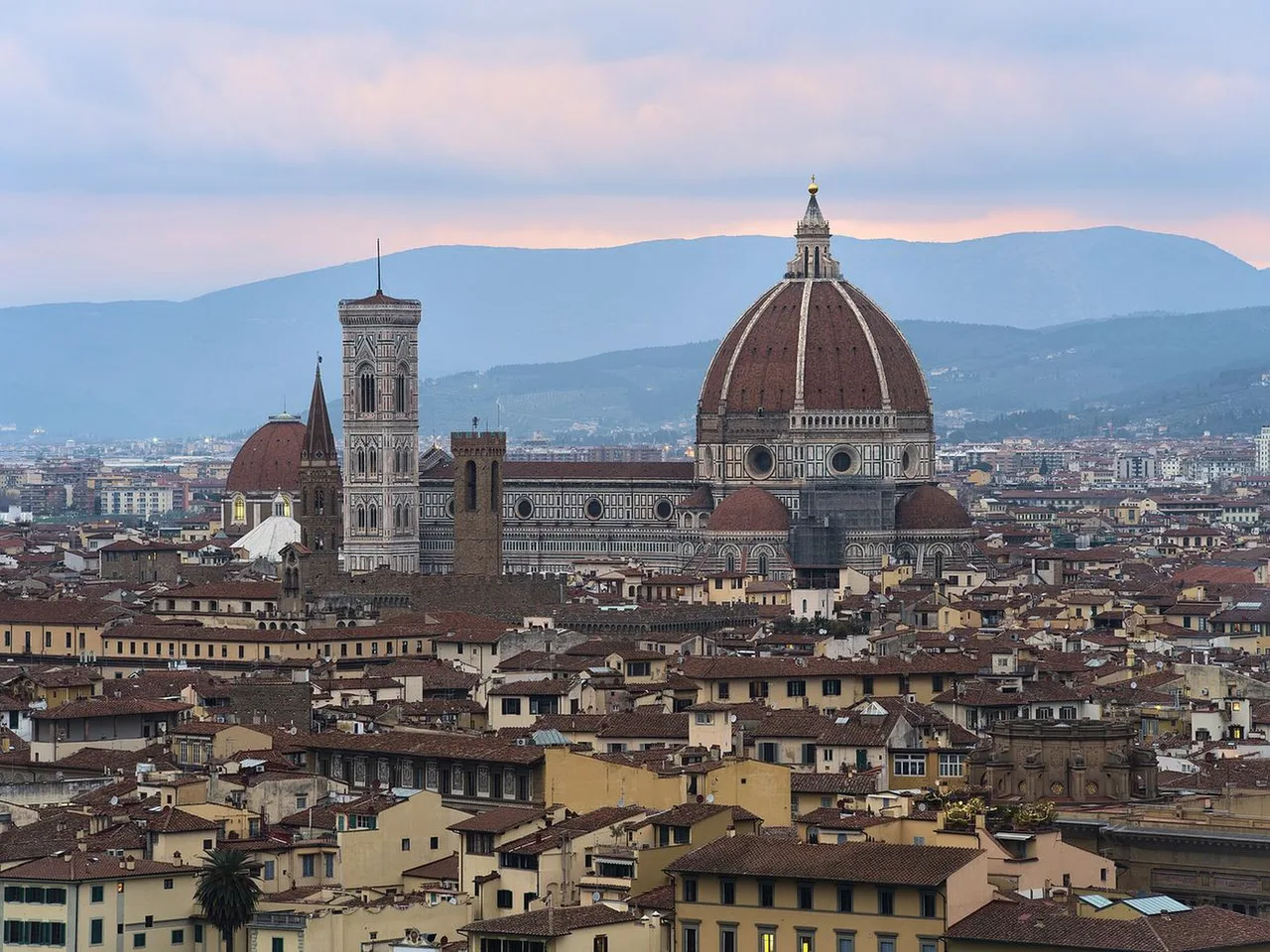
Florence puts the Duomo and the Uffizi a short ride away. It is the most popular extension and works as a full day.
Venice, about 1 hour 30 minutes by fast train
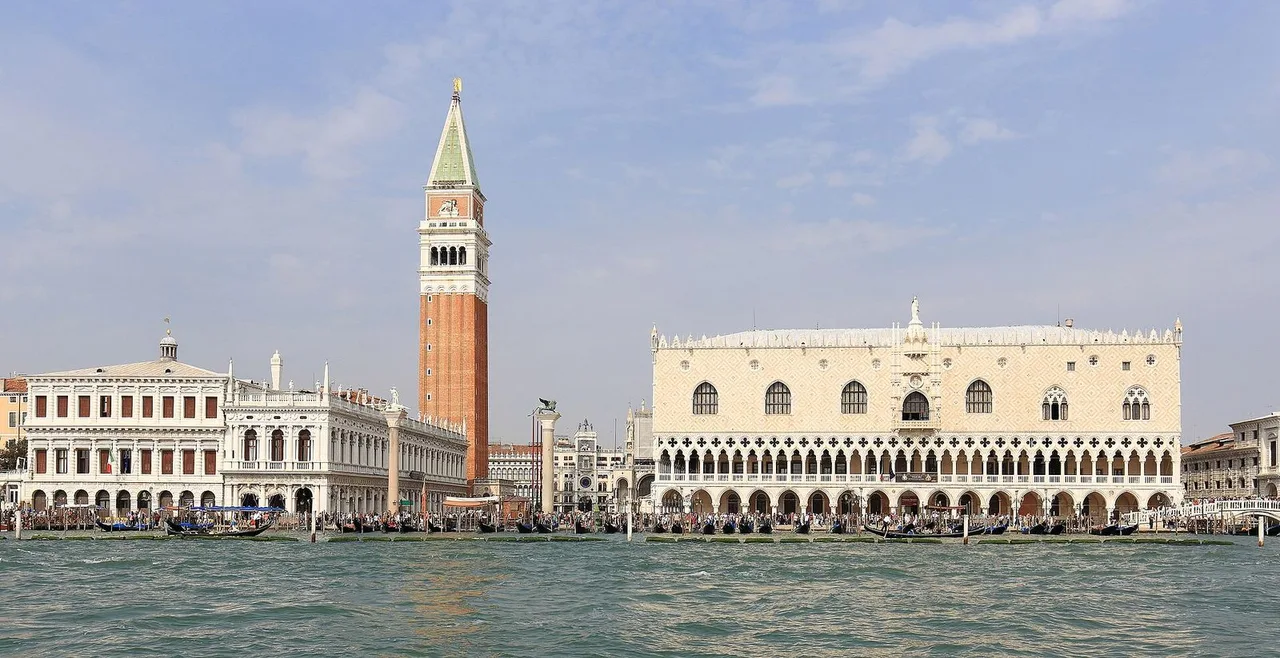
Venice is a long day trip, but fast trains from Bologna Centrale make it possible.
Practical tips
- Check the status of the Two Towers and the Clock Tower on the Bologna Welcome pages before you plan a climb.
- Wear walking shoes for the San Luca portico; the second half has steps.
- Dress for churches: shoulders and knees covered in San Petronio.
- Restaurants fill on weekends, so reserve dinner.
- Accessibility: the San Luca sanctuary is reachable by lift apart from the dome and crypt. San Petronio has launched a fund for a new access ramp.
Frequently asked questions
Can the Two Towers be climbed?
Not at the time of checking. Bologna Welcome states that the Asinelli tower is closed to the public and the Garisenda is not accessible. The Asinelli has 498 steps and is 97 metres high when open. Bologna Welcome suggests the Clock Tower for a 360-degree view.
How long is the walk up to San Luca?
About 4 km from Porta Saragozza, according to Bologna Welcome, while the city's portico page measures about 3,600 metres of covered route. The first 1.5 km is flat, and the rest climbs with steps. Allow two to three hours for the round trip, plus time at the sanctuary.
Are all the porticoes UNESCO-listed?
No. Bologna has about 62 km of porticoed paths, and UNESCO inscribed a selection of 12 in 2021 as representative examples. The San Luca portico is part of the listing, according to Bologna Welcome. The whole network remains protected under city rules.
How old is the University of Bologna?
The university dates its founding to 1088, conventionally, and describes itself as the oldest in the Western world. Its history page calls 1088 the year conventionally given for the founding of the Studium.
More city guides
- Florence in 2 days: the Renaissance city, 40 minutes south by fast train.
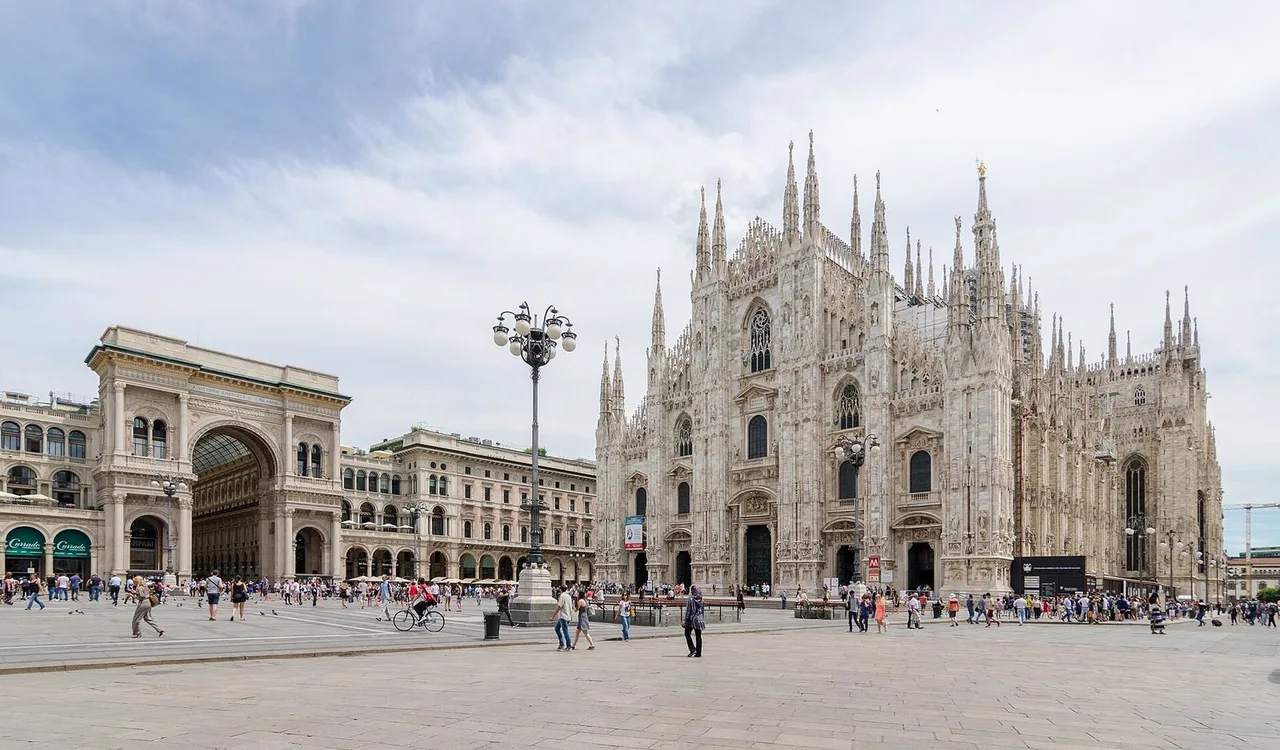
- Milan in 2 days: the Duomo roof and The Last Supper.
- Venice in 2 days: lagoon canals and the vaporetto.
- Verona in 2 days: a Roman arena and a river bend.
- Siena in 2 days: a shell-shaped square in Tuscany.