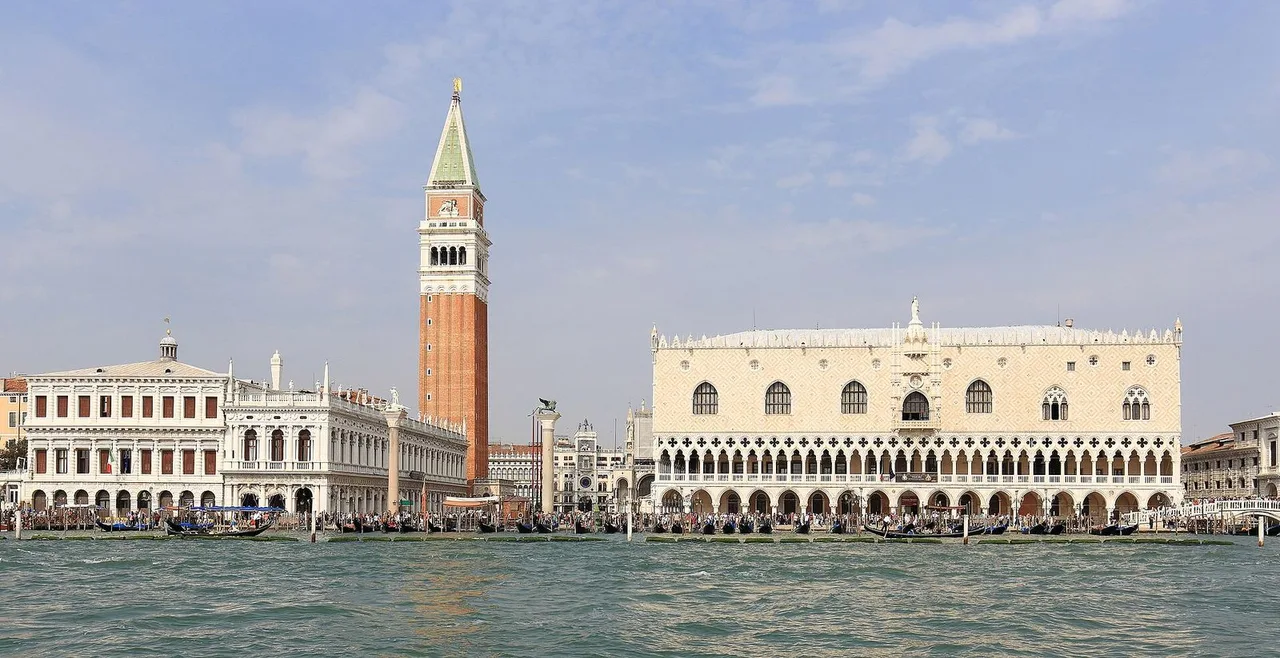
Venice in 2 days is enough to see the basilica, the Doge's Palace and the Grand Canal, and to leave the crowds behind in the quieter sestieri and on the lagoon. This plan suits first-time visitors who accept early starts and a few advance bookings. Venice (Venezia in Italian) is spread over 118 small islands, according to UNESCO. There are no roads, so the plan sticks to walking and the vaporetto, the public water bus, and spends day one around St Mark's and the Rialto and day two in Cannaregio and on the islands of Murano and Burano.
Quick facts
- Country and region: Italy, in the Veneto region.
- Main airport: Venice Marco Polo (VCE), on the mainland across the lagoon.
- Main station: Venezia Santa Lucia, on the edge of the historic centre.
- Getting around: on foot, plus ACTV vaporetto water buses.
- Currency: euro (EUR).
- Language: Italian.
- Time zone: CET, with daylight saving time (CEST) in summer.
- Best months: April to June and September to October.
Best time to visit
April to June and September to October give the best mix of daylight and manageable crowds. Midsummer is hot and busy, and winter can bring high water, a threat UNESCO names alongside tourism pressure, so a flexible day matters. Choose quieter months if you can: the city's own visitor guidance recommends it.
Venice also runs a daily access fee for day visitors on selected days. In 2026 it applied between 3 April and 26 July, with a lower price for paying early, unless you are exempt. The next calendar and the exemption rules are on the city's Access Fee portal, so check them before you book a day trip. The Carnival season is a separate peak, and the official Carnival site lists its dates.
Getting there and around
Marco Polo airport is on the mainland. Buses connect it to Piazzale Roma, where the road ends and the water begins; ATVO's airport express is one option, and ACTV city buses are another. Trenitalia also lists the Venezia Airlink, a train and bus link. Allow about 20 to 30 minutes by bus, then check the operator's timetable.
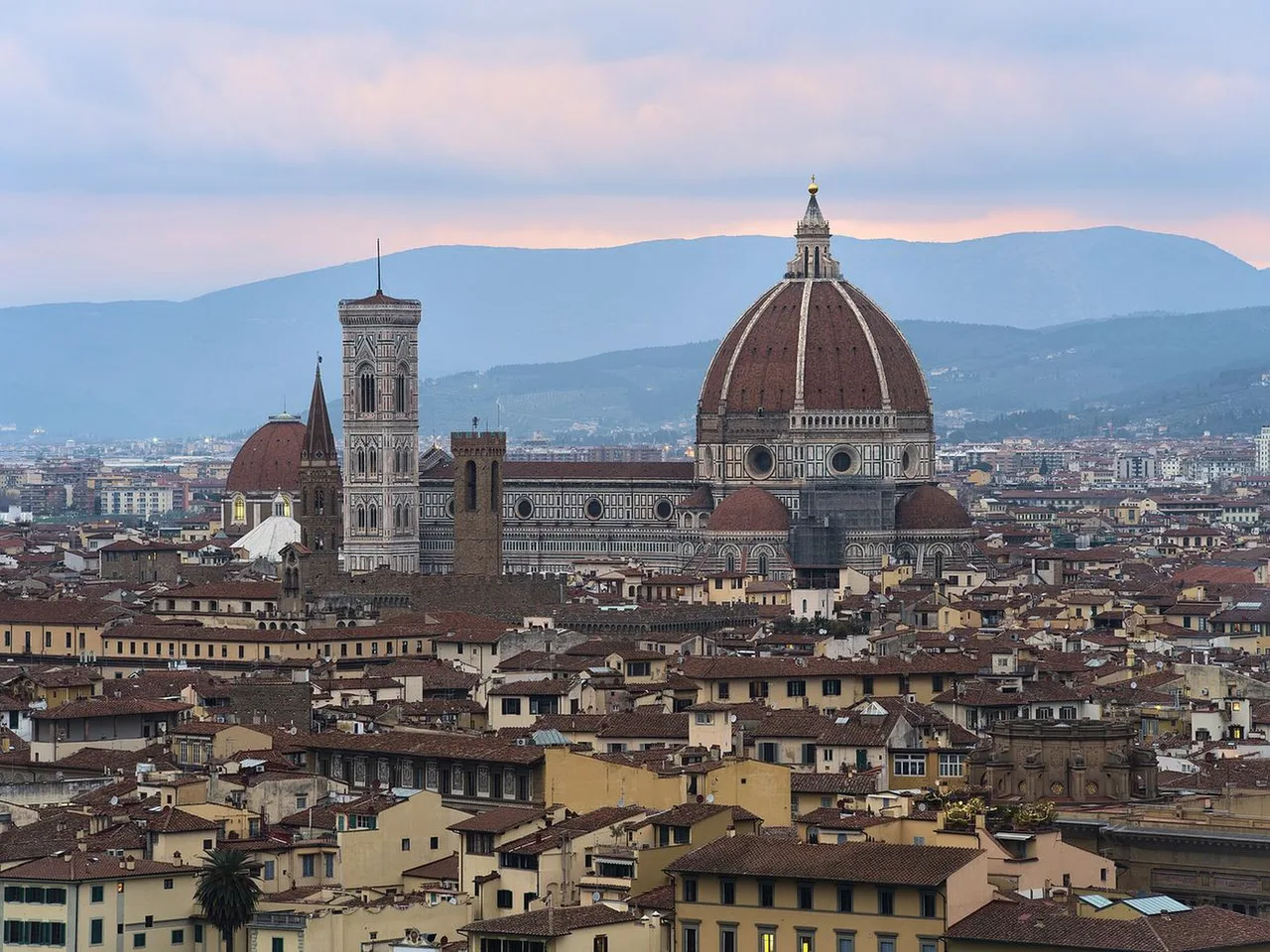
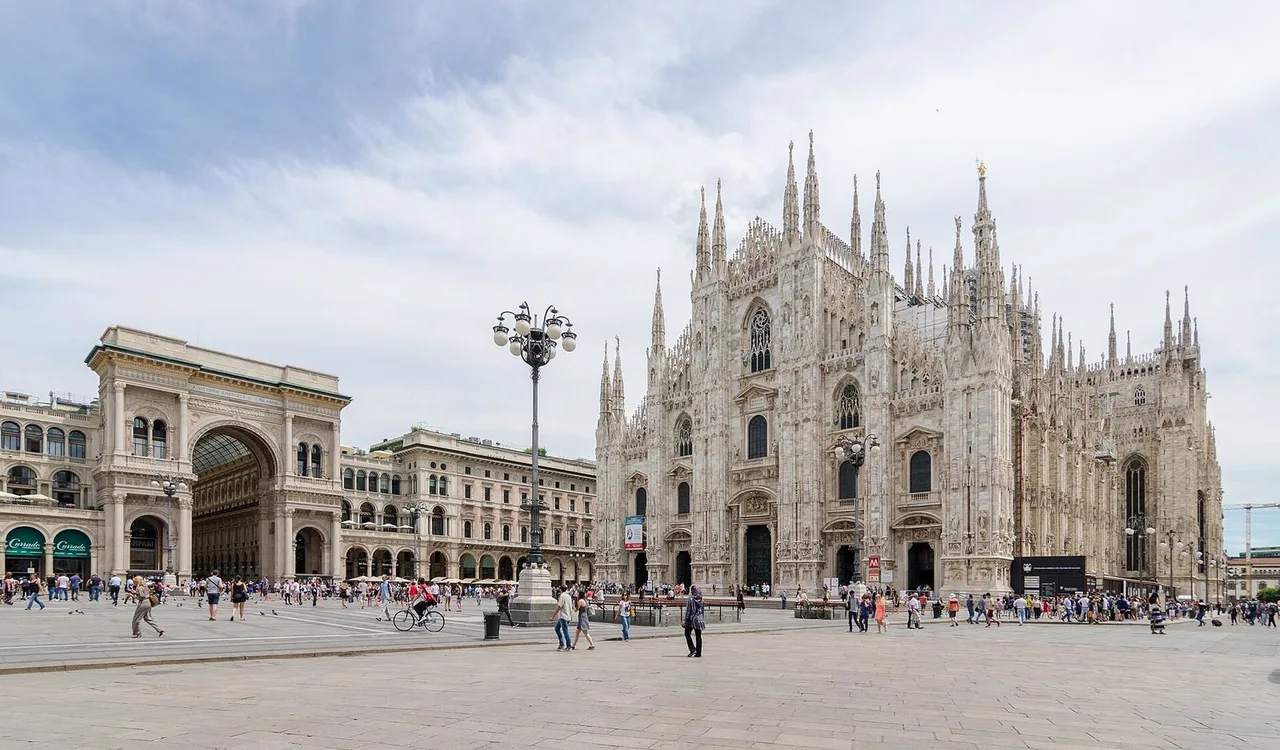
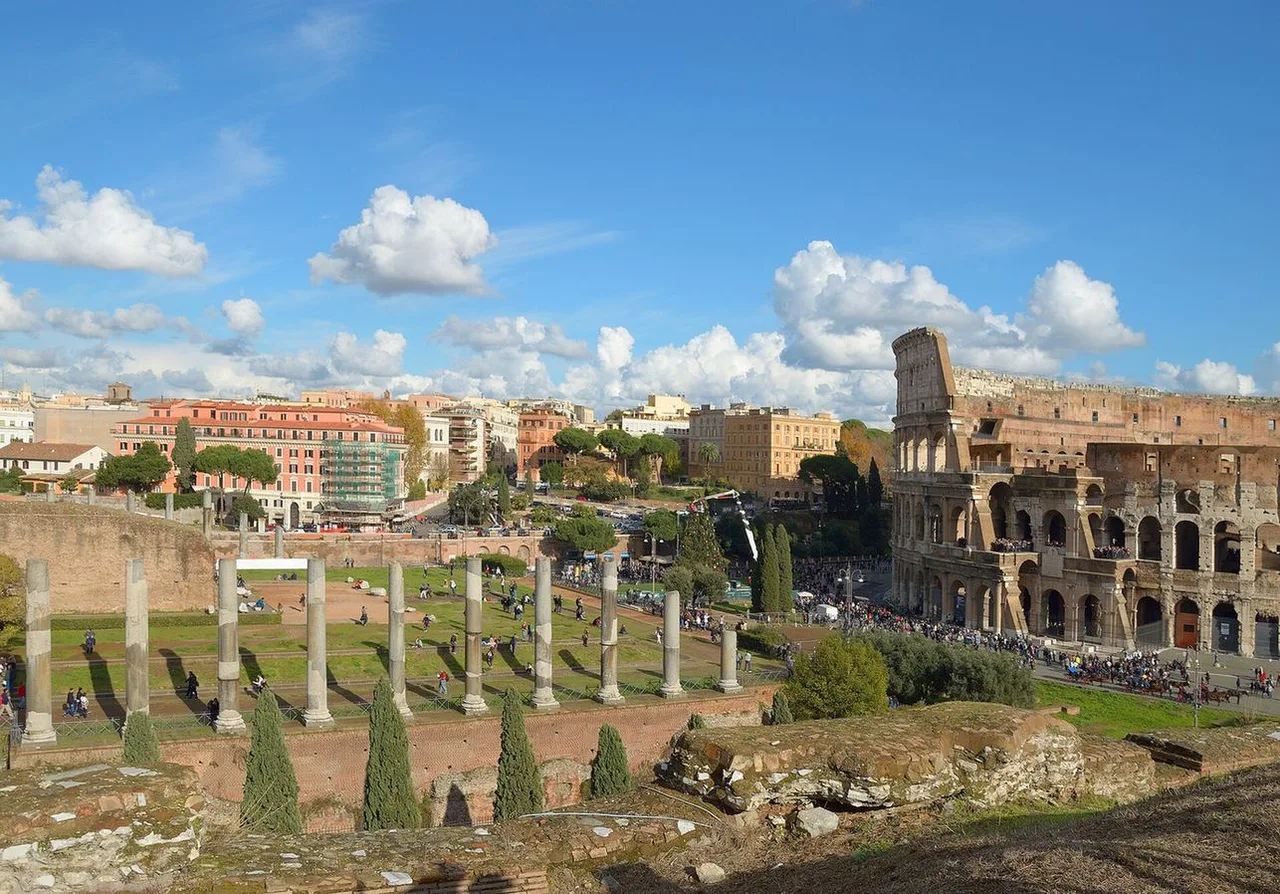
Santa Lucia station sits at the Grand Canal. Trenitalia and Italo run fast trains to Bologna, Florence, Rome and Milan, so Verona and Florence are realistic extensions. From the station you walk or catch a vaporetto.
ACTV runs the water buses and publishes timetables and service changes, which matter during regattas and tides. Most of the plan is on foot, with one long Grand Canal ride. Walking from St Mark's Square to the Rialto takes about 10 minutes, and the lagoon boats leave from the Fondamente Nove on the north side.
Where to stay
Cannaregio, north of the Grand Canal, is the best base for a quieter stay. It holds the Jewish Ghetto, long canal-side fondamente and local bars, and the station is close. The tourist crowds thin out within a few minutes of the main route.
Dorsoduro, on the south bank, suits art lovers. The Gallerie dell'Accademia and the Zattere waterfront are here, and the evenings are calm.
San Marco and the Rialto put you in the middle, but the streets fill from morning and rooms are small. Staying on the mainland at Mestre is a budget route, with a short train ride to the station.
Day 1: St Mark's, the Rialto and Dorsoduro
Morning: Basilica and Doge's Palace
Reach Piazza San Marco early. The basilica's official ticket office is tickets.basilicasanmarco.it, which sells entry, the Pala d'Oro, the museum with the Loggia dei Cavalli and the Bell Tower. Cover shoulders and knees. The Doge's Palace is on the same square, run by MUVE, and it offers two special itineraries, the Secret Itinerary and the Doge's Hidden Treasures, by reservation only. The Doge's Palace site also posts notices about restoration works and delays to guided tours, so read its announcements the day before. Allow about three hours for both buildings, and take a coffee break on the Piazzetta side. UNESCO lists San Marco, the Palazzo Ducale and the Marciana library among the monuments of the Republic's Golden Age.
Afternoon: Rialto and the Grand Canal
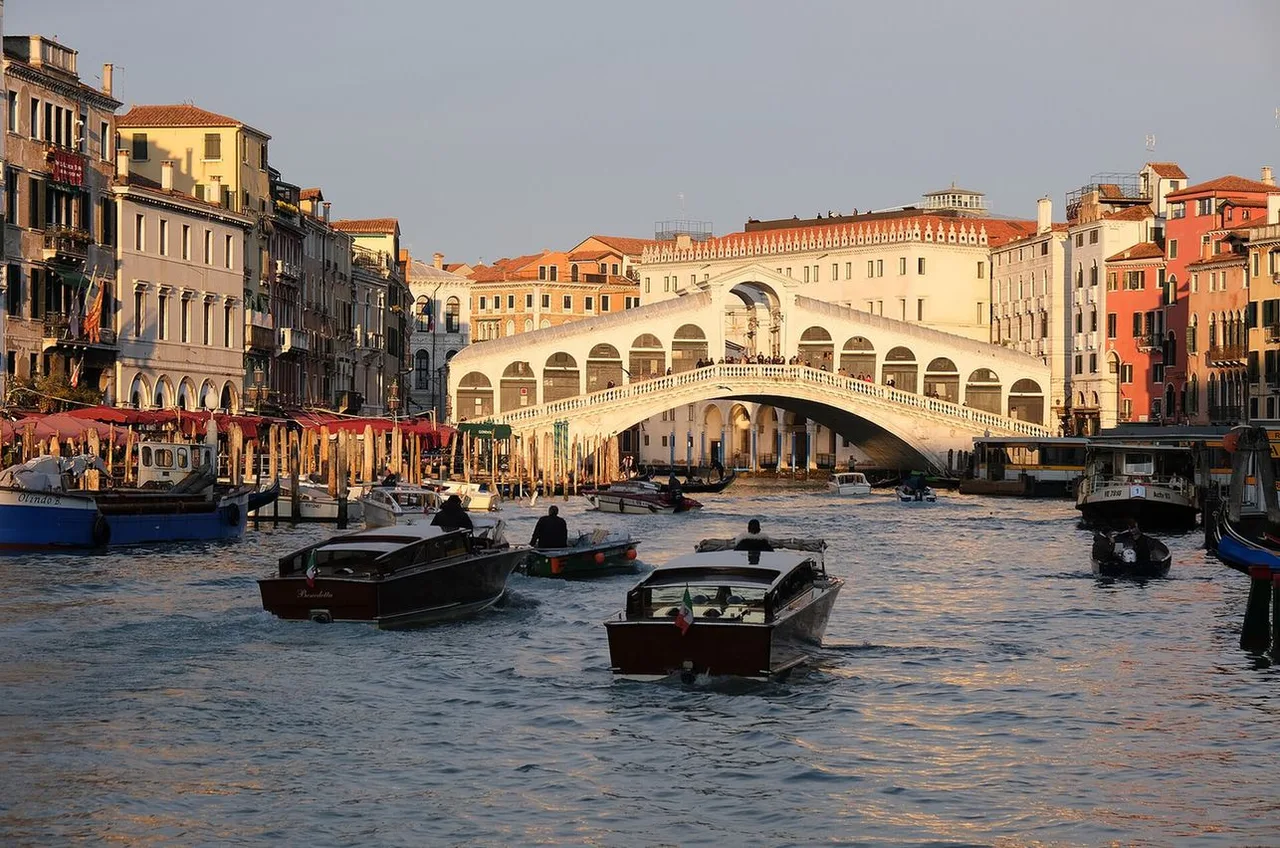
Follow the Mercerie, the shop-lined street from the square, for about 10 minutes to the Rialto Bridge. Cross it, look at the market area on the far bank, then take a vaporetto down the Grand Canal toward the Accademia. The slow line 1 boat, which stops at nearly every landing, gives a view of the palace facades that no walk along the canal can; confirm the route on the ACTV site. Get off at the Gallerie dell'Accademia, which holds Venetian painting from Giorgione's The Tempest to Veronese and Tintoretto. If you still have energy, Ca' Rezzonico, a MUVE museum of 18th-century Venice, is a short walk away. Anyone who prefers Tintoretto in place can swap the Accademia for San Polo, where the Frari church and the Scuola di San Rocco, both on UNESCO's list, sit between the Rialto and the Accademia.
Evening: Zattere and the Salute
Walk the Zattere promenade along the Giudecca Canal, where bars have outdoor seats on the water. Continue to the church of Santa Maria della Salute, a UNESCO-listed landmark at the mouth of the Grand Canal. For dinner, look for a bacaro, a small wine bar, and try cicchetti (small snacks), sarde in saor (marinated sardines) and baccalà mantecato (creamed salt cod).
Day 2: Cannaregio and the lagoon islands
Morning: Cannaregio
Start in Cannaregio with the church of Madonna dell'Orto, where Tintoretto is buried, and look at the artist's house on the canal nearby. Then follow the Fondamenta della Misericordia and the bar-lined Fondamenta degli Ormesini. The Jewish Ghetto is a few minutes away; check the Jewish Museum of Venice's own site for its tours and hours. Cannaregio has long quays and few souvenir shops, so it shows a quieter face of Venice that the main route misses. The walk from Santa Lucia station to Madonna dell'Orto takes about 15 minutes, which makes this the easiest morning to start straight after dropping your bags. Aim to be on the quays before 9 o'clock, when the lanes are still empty.
Afternoon: Murano and Burano
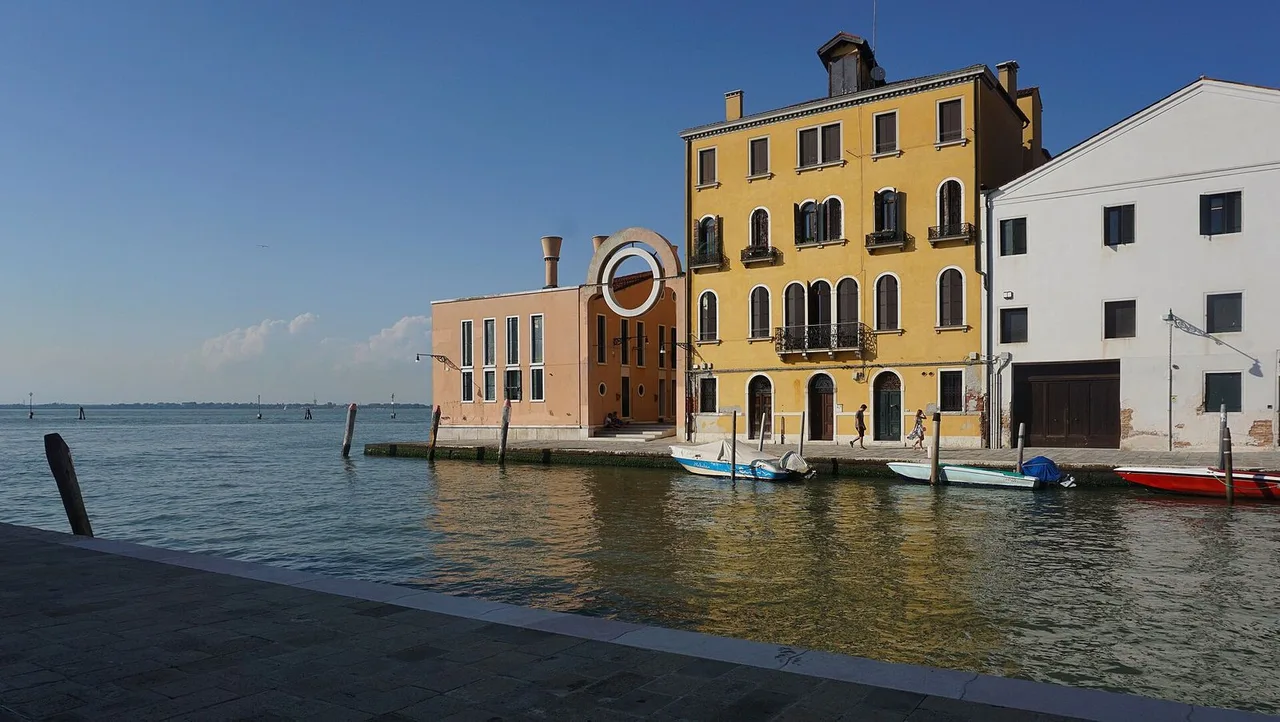
Walk to the Fondamente Nove and board a vaporetto to the islands. Murano's Glass Museum holds the most extensive historical collection of Murano glass, and Burano's Lace Museum shows Venetian lace from the 16th to the 20th century. UNESCO places Torcello's cathedral among the lagoon's masterpieces. Allow a full afternoon, and around 45 minutes each way to Burano; check ACTV for the line and timetable. Burano is known for its houses painted in bright colours, while Murano is the place to look at glass workshops from the outside and decide if you want to book a demonstration.
Evening: back through the Rialto
Take the boat back to the Fondamente Nove while there is still daylight and walk back through Cannaregio for dinner. Order a spritz and a plate of cicchetti before the last boats, which run less often late in the evening. The route home passes the Rialto on foot, about 15 minutes from the Ghetto. If the ferries are running late, stay in Cannaregio rather than cross town, since the bars along the Ormesini quay stay open into the evening and the walk to Santa Lucia is short.
If it rains, on a budget, with kids
If it rains
The Doge's Palace, the Gallerie dell'Accademia, the Museo Correr on the same square, the Glass Museum and Ca' Rezzonico are all indoor options. The basilica is covered too. High water is a different problem, so check the city's high-water forecasts before you set out, and wear waterproof shoes.
On a budget
Walking costs nothing, and Venice rewards it: the Zattere, the Rialto Bridge, Cannaregio and the squares are free. A vaporetto along the Grand Canal is the cheapest way to see the palaces; confirm the ticket types on ACTV's site. Eat at a bacaro standing up, not at a table on the main squares.
With kids
MUVE describes its Natural History Museum as an engaging layout for discovering nature, and a boat ride to Murano to watch glass being made keeps children busy. The Doge's Palace lists a baby pit-stop among its services.
Day trip or a third day
Verona, about an hour and a quarter by fast train
Verona offers a Roman arena that is still in use and a compact old town inside a river bend. It suits a calm third day.
Padua, about 30 minutes by train
A university city with arcaded streets, easy to reach by regional train from Santa Lucia; check Trenitalia for times.
Bologna, about one and a half hours by fast train
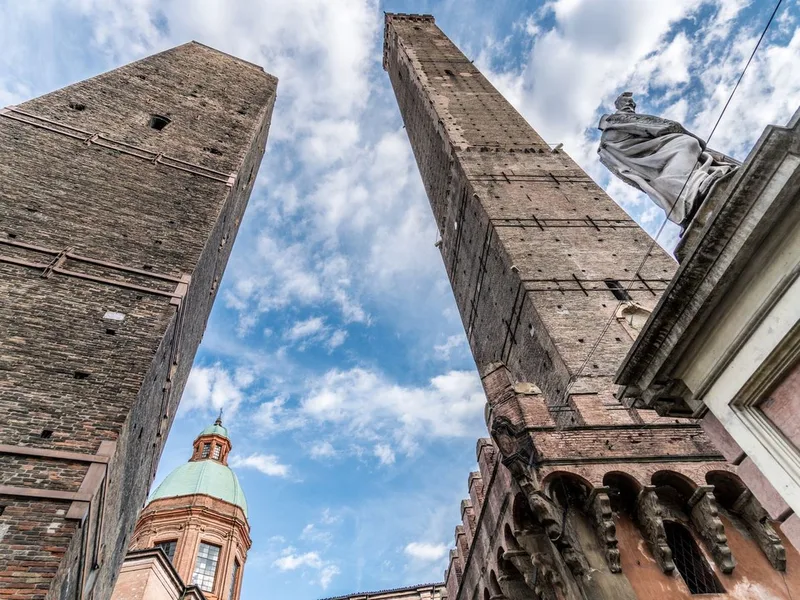
Bologna pairs porticoes with a food market, and the fast trains run from Santa Lucia.
Practical tips
- Book the basilica and the Doge's Palace on the official sites only.
- Check the Access Fee calendar before a day visit.
- Cover shoulders and knees in the basilica and other churches.
- Venice is full of bridges and steps, so pack light. Rolling cases are hard on stairs.
- Accessibility: the Doge's Palace lists a lift and a baby pit-stop. Many bridges have steps, so ask the vaporetto operator about step-free routes.
Frequently asked questions
How many islands is Venice built on?
UNESCO says Venice is spread over 118 small islands, founded in the 5th century AD. The wider lagoon covers 70,176 hectares, with settlements such as Torcello, Murano and Burano. Counts of islands vary between sources, so the UNESCO figure is the one to quote.
Do day visitors pay to enter Venice?
On selected days, yes. In 2026 the access fee applied from 3 April to 26 July, with a lower rate for early payment, unless exempt. The city runs the portal at cda.ve.it. Dates for later years must be checked there, and overnight guests have their own rules.
Are tickets needed for St Mark's Basilica?
The official ticket office offers entry, the Pala d'Oro, the museum with the Loggia dei Cavalli and the Bell Tower, plus night visits. Clothing must keep shoulders and knees covered. Buy only from tickets.basilicasanmarco.it to avoid resellers.
What do the Murano and Burano museums show?
The Glass Museum on Murano holds the most extensive historical collection of Murano glass. The Lace Museum on Burano shows rare Venetian lace from the 16th to the 20th century. Both are MUVE museums, so check their pages for hours and combined tickets.
More city guides
- Verona in 2 days: a Roman arena and river-bend old town.
- Bologna in 2 days: arcades and Italy's richest kitchen.
- Florence in 2 days: the Renaissance city by fast train.
- Milan in 2 days: the Duomo roof and the canal district.
- Ljubljana in 2 days: a green capital in Slovenia, east of the Veneto.