
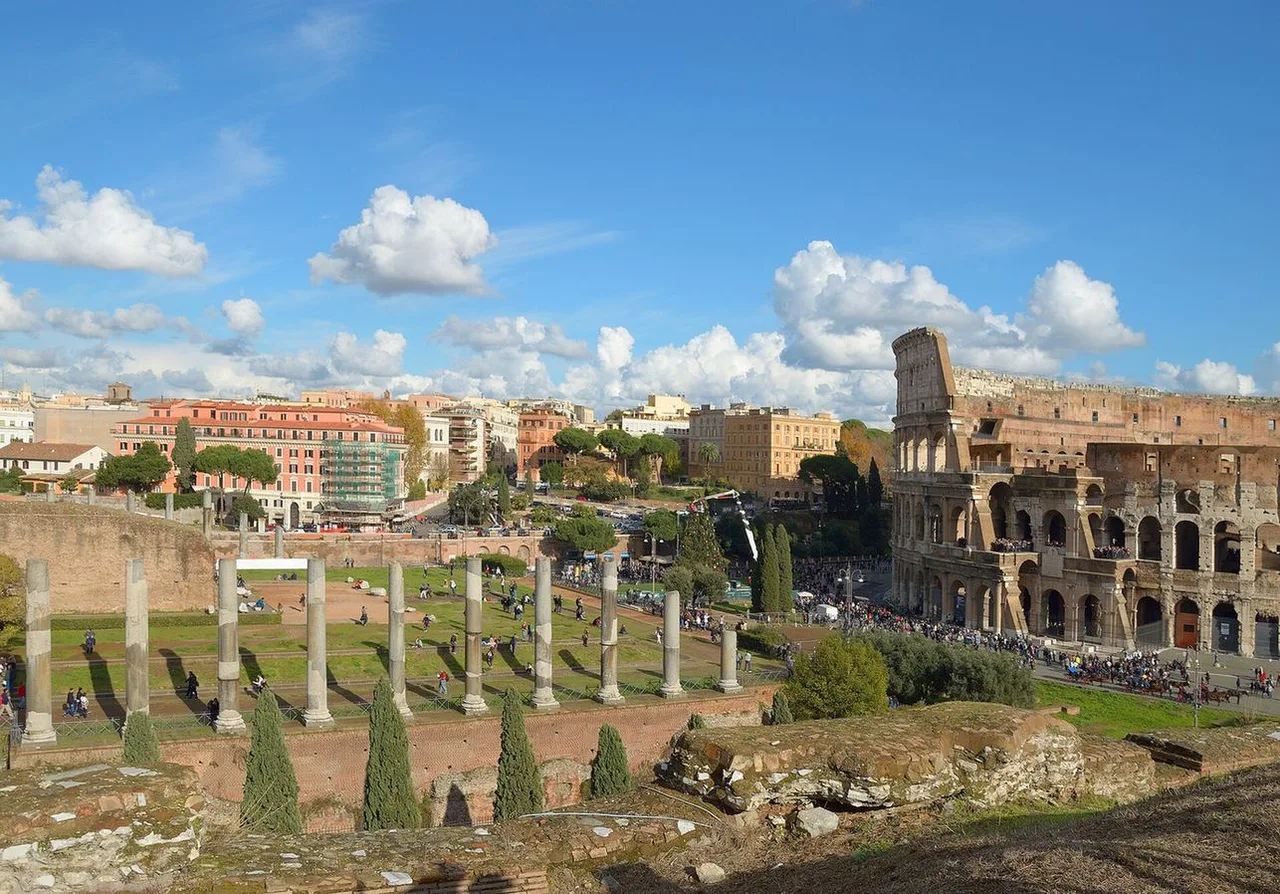
Rome in 2 days works best as two themed walks rather than a checklist: ancient Rome on the first day, the Vatican and the squares of the centro storico on the second. This plan suits first-time visitors who are happy on foot and willing to book two or three entries ahead. Rome (Roma in Italian) is a good fit for a short trip because UNESCO lists the whole historic centre inside the 17th-century walls, so even the routes between sights pass protected streets. Each day below stays inside one compact area, names the entries that need a reservation and marks where Vatican City, a separate state, begins.
Quick facts
- Country and region: Italy, in the Lazio region.
- Main airport: Leonardo da Vinci-Fiumicino (FCO); Ciampino (CIA) is the smaller second airport.
- Main station: Roma Termini, for the metro, city buses and long-distance trains.
- Getting around: walk the centre, take metro line B to the Colosseum, and use buses or trams elsewhere.
- Currency: euro (EUR), also used in Vatican City.
- Language: Italian.
- Time zone: Central European Time, one hour ahead of UTC, two hours ahead in summer.
- Best months: April to June and September to October.
Best time to visit
April to June and September to October give the best balance of daylight, mild temperatures and open-air walking. Summer midday heat makes the Forum and Palatine, which have little shade, hard work, so book the earliest slot and keep the afternoon for indoor sights. Winter is quieter, and the Ostia Antica park covers its most fragile mosaics each December, which is worth knowing if that is your day trip.
Rome's tourism portal lists exhibitions, concerts and sporting events by date, so check the official Turismo Roma calendar before you fix your dates. Event days can close streets around the centre.
Getting there and around
Fiumicino is the main airport. The Leonardo Express runs non-stop from the airport station to Roma Termini and takes 32 minutes according to Trenitalia, which also sells the Ciampino Airlink, a train and bus link from the second airport to Termini. Taxis and shuttle buses are the alternatives, and taxi rules and fares are set by the city, so use a licensed taxi rank.
Termini is the hub for high-speed rail. Trenitalia and Italo both run fast trains to the main Italian cities, so a side trip to Florence or Naples is realistic. Allow roughly one and a half hours for Florence and just over an hour for Naples, then confirm the exact times in the operator's app.
Inside the city, the centre is walkable. Colosseum to Pantheon is about 2 km on foot, Pantheon to the Trevi Fountain about 700 m, and Trevi to the Spanish Steps a little farther. The Colosseum's own page lists metro line B (Colosseo), buses 51, 75, 81, 85, 87 and 118, and tram 3. For the Vatican side, take buses or walk from Castel Sant'Angelo.
Where to stay
Rione Monti sits between Termini and the Forum. It suits a first visit with an early Colosseum slot, because the Colosseum is a short walk away and Termini is close for trains. The streets are lively in the evening, so ask for a quiet room if you sleep lightly.
The area around Piazza Navona and Campo de' Fiori puts you in the middle of day two. You can walk to the Pantheon, Trevi and the river, and cross Ponte Sant'Angelo toward the Vatican. It is the better base for evening strolls and the worse base for quiet.
Prati, north of the Vatican, is calmer and has direct routes to St. Peter's and the Vatican Museums. It works well if the Vatican is your priority or you want an easier early start, but it is a few metro or bus stops from the Forum.
Day 1: Ancient Rome and the Capitoline
Morning: Colosseum, Forum and Palatine
Start at the Colosseum with a timed entry booked on the Archaeological Park of the Colosseum site. The standard ticket is valid for 24 hours and gives one entry to the Colosseum and one to the Roman Forum and Palatine, so you can split them. The Colosseum is the largest amphitheatre in the world, built in the 1st century CE under the Flavian emperors and named after a colossal statue that stood nearby.
From the Colosseum, walk up the Via Sacra into the Forum, past the Arch of Titus and the columns of the Temple of Saturn, and climb the Palatine for the view back over the Forum. Allow three to four hours for all three parts. The park covers more than 40 hectares, much of it green, and it has frequent changes of level, so wear shoes with grip.
Afternoon: Capitoline Hill and the Ghetto
Leave by the Forum exit and cross to Piazza del Campidoglio, the square on the Capitoline Hill designed by Michelangelo. The Capitoline Museums stand on two sides of it. Walk down the stairs beside the Altare della Patria, the white Vittoriano monument, toward Piazza Venezia. Lunch is easy in the Jewish Ghetto, a few minutes away, where carciofi alla giudia (fried artichokes) and fried salt cod are the local dishes.
Evening: Trastevere
Cross Ponte Sisto or the Tiber Island bridges into Trastevere. The lanes behind Santa Maria in Trastevere hold small trattorias serving cacio e pepe, carbonara and supplì (fried rice croquettes). Book dinner, since the best tables fill early. Walking back along the Tiber toward the Capitoline takes about 25 minutes.
Day 2: The Vatican and the squares
Morning: Vatican Museums and St. Peter's
Vatican City is a separate state, and the Vatican Museums and St. Peter's Basilica run separate official sites. The Museums warn that the only official online ticket shop is tickets.museivaticani.va, because lookalike domains charge more. Book the earliest entry, follow the route to the Sistine Chapel and leave time to reach the basilica afterward.
St. Peter's applies a dress code: shoulders and knees covered, as its official FAQ states for the Dome. Security queues at the Basilica can be long. Dome access needs a booking with QR codes sent by email.
Afternoon: Castel Sant'Angelo, Piazza Navona and the Pantheon
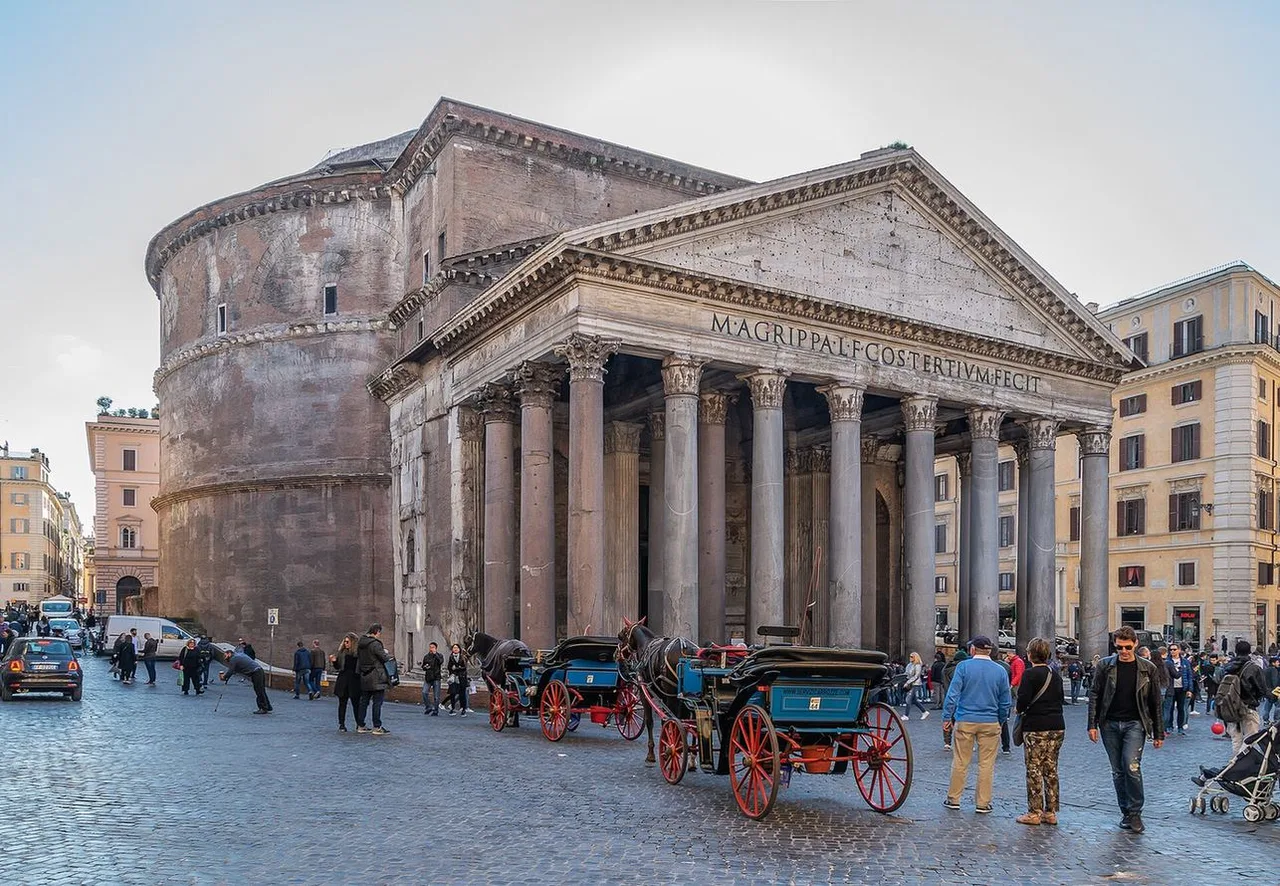
Walk down Via della Conciliazione to Castel Sant'Angelo and cross the Ponte Sant'Angelo with its angel statues. Continue to Piazza Navona, with Bernini's Fountain of the Four Rivers, and on to the Pantheon, now a church called Santa Maria ad Martyres. The official Pantheon site sells the entry ticket and an audio guide built around five figures from its history, among them Emperor Hadrian, Pope Boniface IV and Raphael.
Evening: Trevi and the Spanish Steps
Walk to the Trevi Fountain, built between 1732 and 1762 to a design by Nicola Salvi. The fountain can be seen from the square without a ticket, but since 2 February 2026 non-residents pay to enter the basin, the part closest to the monument, daily from 9 to 22, per the city's announcement. Finish on the Spanish Steps, about 700 m from Trevi, and walk up to Trinità dei Monti for the sunset view.
If it rains, on a budget, with kids
If it rains
Move the indoor sights forward. The Vatican Museums, the Capitoline Museums and the Galleria Borghese are all indoors. The Borghese requires a reservation for every ticket category, runs timed two-hour entries and accepts only small bags, according to its visit page. The Pantheon is a short indoor stop, while the Colosseum and Forum are poor choices in heavy rain.
On a budget
Many of Rome's best views cost nothing: Piazza Navona, the Spanish Steps, Piazza del Campidoglio, St. Peter's Square and the view of the Trevi Fountain from the square. The Pantheon site lists free entry on the first Sunday of each month, and the Trevi basin fee still applies that day. A 24-hour Colosseum ticket lets you split the Colosseum and the Forum, which helps to pace spending.
With kids
The Colosseum lists an accessible area, baby changing stations and audio guides, and the arena and underground tickets add interest for older children. Villa Borghese's park, north of the Spanish Steps, has space to run after the museums. Trastevere's early dinner hours suit families better than the late central restaurants.
Day trip or a third day
Tivoli, about an hour each way
Villa Adriana, built between 117 and 138 AD as a retreat for Emperor Hadrian, covers about 120 hectares and has the remains of some 30 buildings, according to UNESCO. The Villa d'Este gardens are also listed. Take a regional train from Roma Tiburtina and a local bus; check the timetable on Trenitalia.
Ostia Antica, about 30 minutes
The ancient port of Rome has a commuter train from Porta San Paolo, next to metro line B at Piramide. The park's official site has current opening times.
Naples, just over an hour by high-speed train
Naples pairs the National Archaeological Museum and the old streets with pizza. It makes a long day but is easier than the same distance by road.
Practical tips
- Book the Colosseum, Forum and Palatine ticket, the Vatican Museums and the Galleria Borghese ahead on their own official sites.
- Buy only from the official ticket pages. The Vatican Museums specifically warn about copycat sites.
- Dress for churches: shoulders and knees covered, as St. Peter's requires.
- Carry a refillable bottle; Rome has many public drinking fountains.
- Expect bag checks at the Vatican, Galleria Borghese and the Colosseum.
- Many museums close on Monday, but patterns differ, so confirm each closing day on the venue's page.
- Accessibility: the Colosseum lists lifts and a hoist, and the park's official page describes the accessible routes. Cobbles and steep ramps are common elsewhere.
Frequently asked questions
Is a separate ticket needed for the Colosseum and the Roman Forum?
One ticket covers both. The standard Colosseum, Roman Forum and Palatine ticket is valid for 24 hours and gives a single entry to the Colosseum and a single entry to the Forum and Palatine area. The Full Experience tickets for the arena, underground or attic run for two consecutive days. Pick the one that suits your plan.
Can I see St. Peter's and the Vatican Museums on the same morning?
Yes, but plan them as two visits. They have separate official sites, separate queues and separate security checks. Book the Museums for the first slot, keep shoulders and knees covered, and allow time to walk around the walls to the basilica. Add the Dome only if you reserved it.
Does it cost anything to see the Trevi Fountain?
No, but standing at the basin costs money. Since 2 February 2026, non-residents pay a ticket to enter the basin between 9 and 22 daily. Free access applies to residents, children under 5 and people with disabilities with their carers. Looking from the square is free.
How long does the train from Fiumicino airport to the centre take?
The Leonardo Express to Roma Termini takes 32 minutes without stops, per Trenitalia. Flights into Ciampino connect through the Airlink train and bus link instead. Check the first and last departures on the operator's page if you land late or early.
Is the Galleria Borghese a walk-in museum?
No. Reservation is required for all ticket categories, even free ones, and visits last two hours in timed entries. Book before you arrive, bring only a small bag and leave larger luggage in the cloakroom, which takes only cabin-size trolleys.
More city guides
- Naples in 2 days: the nearest big city by fast train, with pizza and an archaeological museum.
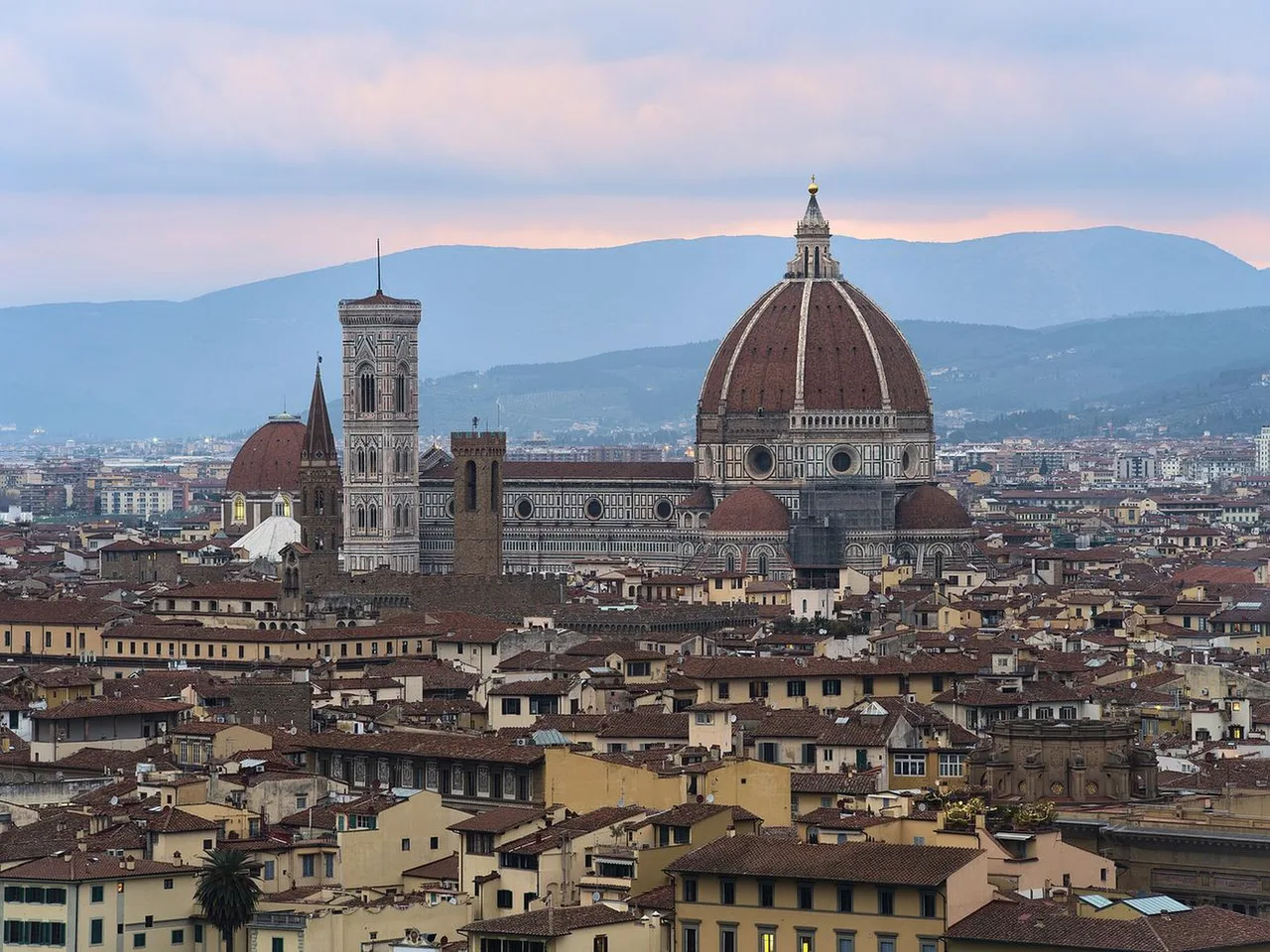
- Florence in 2 days: the Renaissance city, about one and a half hours north.
- Siena in 2 days: a shell-shaped square and a striped cathedral in Tuscany.
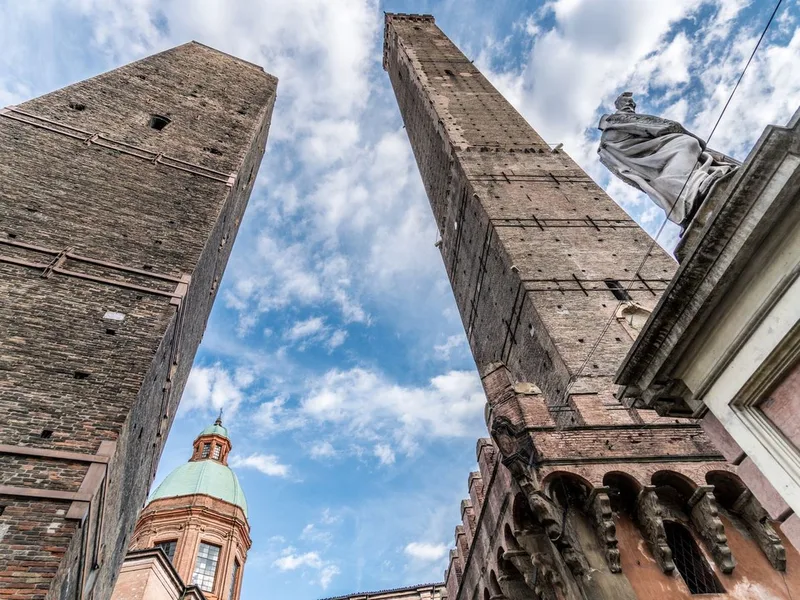
- Bologna in 2 days: arcaded streets and Italy's richest kitchen.
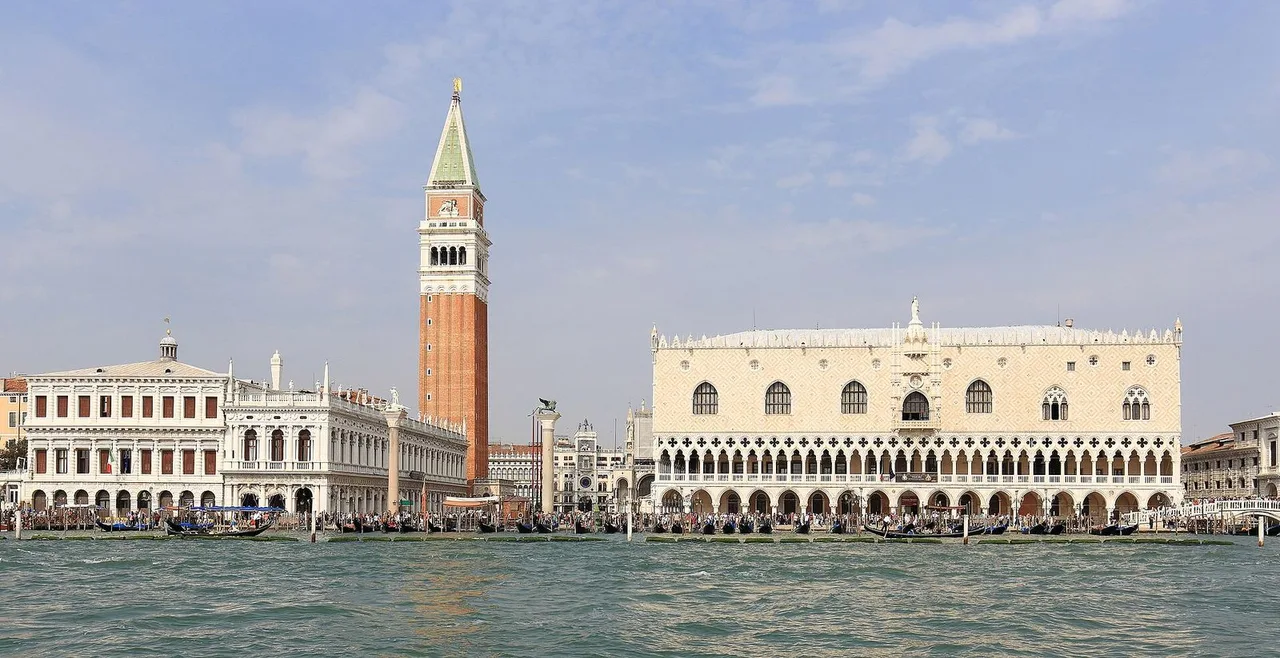
- Venice in 2 days: lagoon canals for a longer Italian rail loop.
.jpg)