A coast to plan like a road trip
Many first trips to Turkey point inland, to the balloon valleys of Cappadocia. The western coast offers a different kind of trip: ancient cities that sit close to the sea, hill villages, a national park on a mountain peninsula and long roads that are worth driving for their own sake. This list follows that coast from north to south, in fourteen stops from İzmir to the end of the Datça peninsula. It is a regional shortlist, not a walking route, so every stop has the same short fact set: what it is, how to reach it, when it works best, what to expect at the gate and how long to plan.
The places were checked against the Turkish Ministry of Culture and Tourism's museum portal, UNESCO and open reference sources. Where a number or an opening time is unconfirmed, the text says so. Facts were checked on 16 October 2026. Hours, ticket prices and road conditions change, so confirm them shortly before you go.
Before you plan: season, entry rules, tickets
Season. Selçuk and Datça both have a hot-summer Mediterranean climate: hot, dry summers and cool or mild, rainy winters. Archaeological sites have little shade, so for a trip full of ruins we would choose spring or early autumn and keep midsummer for beaches and water.
Entry rules. Entry depends on your passport. Some nationalities are visa-exempt and others use the official e-Visa system at evisa.gov.tr. The official guidance asks that your passport be valid for at least 60 days beyond the length of your stay. Check the current list for your nationality before booking.
Tickets. The Ministry sells a Museum Pass The Aegean for 7 days at EUR 95. It covers more than 40 museums and archaeological sites in the provinces of İzmir, Aydın, Muğla and Denizli, but not the Pamukkale ancient pool. Tickets for international visitors to Ephesus include both the ancient city and the Ephesus Experience Museum. Whether a pass pays off depends on how many sites you visit; add up the individual tickets first.
1. İzmir: the practical starting point
What it is. Turkey's third most populous city and the biggest metropolitan area on the Aegean, with a gulf-side harbour and layers of history from the time of Smyrna. Alexander the Great is said to have re-founded the city on the slopes of Mount Pagos, today's Kadifekale, around 340 BC, and the Roman agora was restored after an earthquake in AD 178.
Getting there. It has the main airport for this coast, Adnan Menderes Airport, which is also the gateway for Ephesus and Kuşadası. It is also the base for the highway west to Çeşme (85 km) and south to Kuşadası (95 km).
When. Year round; city walking is best in spring and autumn.
Plan. One to two days for the harbour, the old market quarter and the hill fortress, or a quick overnight before heading out.
2. Çeşme: castle, ferries and a peninsula
What it is. A resort town at Turkey's westernmost end, 85 km from İzmir along a six-lane highway. Çeşme Castle dominates the town; it was considerably extended under Sultan Bayezid II, though sources differ on who built the first fortress. A restored caravanserai from 1528, built by order of Süleyman the Magnificent, stands a few steps south. The town faces the Greek island of Chios across a narrow strait, with regular ferry links.
Good to know. The district has about 90 km of coastline, with Alaçatı as a second township. Mastic resin is a local culinary ingredient.
When. A summer and weekend destination for people from İzmir; shoulder seasons are quieter.
Plan. Half a day for the castle and harbour; longer if you want beaches.
3. Selçuk and Ephesus: the big one
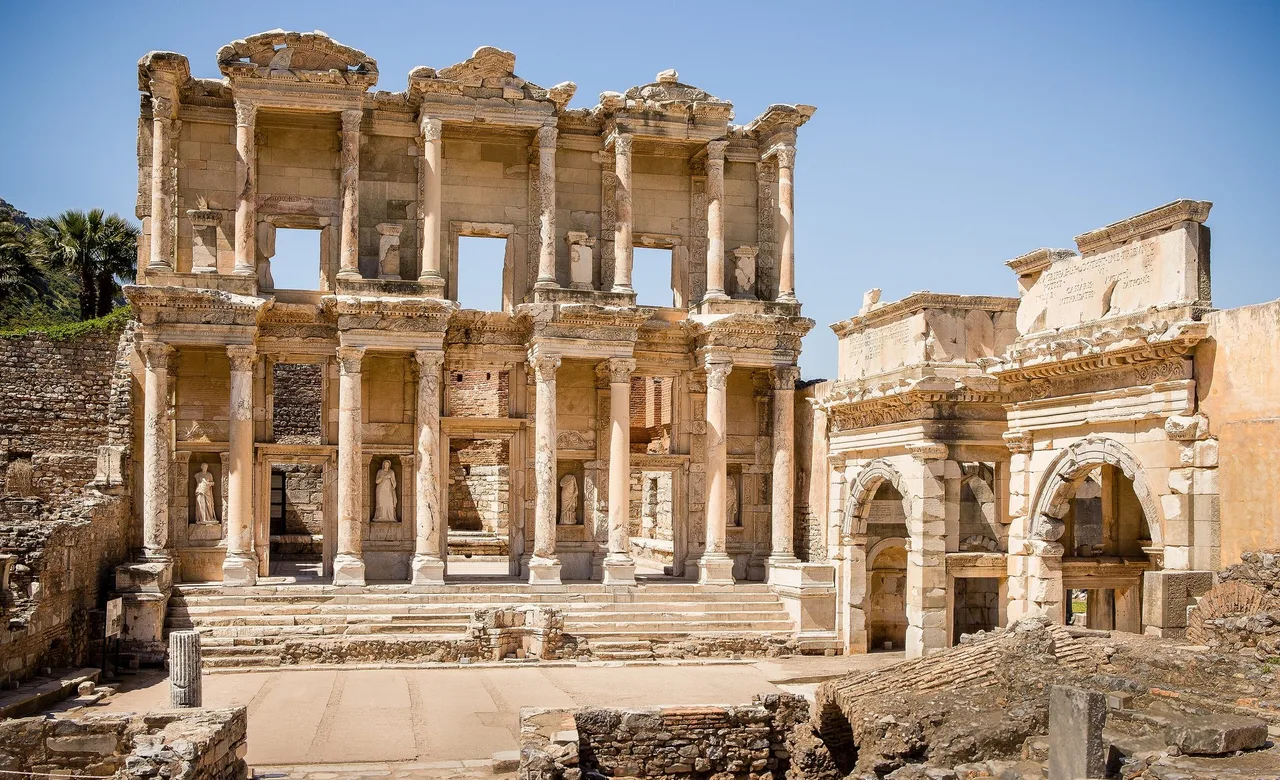
What it is. Selçuk is the town next to Ephesus, which UNESCO inscribed on the World Heritage List in 2015. The ancient city shows Hellenistic and Roman layers: the Library of Celsus, the Great Theatre, the Terrace Houses on the slope with mosaics, frescoes and underfloor heating, and the Temple of Hadrian. Little remains of the Temple of Artemis, one of the Seven Wonders of the ancient world. In town, you can see the ruins of the 6th-century Basilica of St John, the Ayasuluk hill fortress and the İsa Bey Mosque from 1375.
Visitors. The Ministry's portal says that around 2 million people visit Ephesus every year, so expect crowds in the middle of the day. Opening hours were extended in 2024 (Anadolu Agency reported that Ephesus would be open until midnight all year), but they can change.
Beach. Ephesus Beach (Pamucak) is one of Turkey's longest beaches, at 12 km.
When. Early morning or late afternoon; avoid peak summer noon.
Plan. At least half a day for the ancient city and half a day for Selçuk.
4. Şirince: a hill village with a story
What it is. A village about 8 km east of Selçuk, with a population of 456 in 2022. It is described as a rare example of Ottoman Christian architecture, and most of what you see dates from the 19th century. It was close to derelict when the linguist Sevan Nişanyan settled there in the 1990s; he helped to have it declared a heritage site and restored houses with traditional materials. Today the village lives from agriculture (olive oil, peaches, wine) and tourism.
Good to know. The Nesin Mathematics Village is nearby. The House of Mary, venerated by Christians and Muslims, is about 17 km from Şirince.
When. Spring and autumn; the village is small and tour buses can concentrate in the afternoon.
Plan. Two to three hours, or an overnight stay in a restored house.
5. Kuşadası: resort town and beaches
What it is. A large resort town of about 130,000 residents, 95 km south of İzmir. Tourism is its main industry. The small island of Güvercinada, with a castle rebuilt in 1834, is joined to the mainland by a causeway. Beaches include Ladies Beach, close to the centre, and Yılancı Burnu, a second peninsula beyond Güvercinada where some ancient walls are visible.
Good to know. Kuşadası is a base for Ephesus, Priene and the national park. It is busy in summer.
When. June to September for beaches; spring and autumn for day trips.
Plan. An overnight base for two or three nights.
6. Dilek Peninsula and Büyük Menderes Delta National Park
What it is. A national park created on 19 May 1966 on the Dilek Peninsula; the Büyük Menderes delta to the south was added in 1994. It lies in Kuşadası district, about 30 km from the town centre, with Güzelçamlı as the gateway. The peninsula is separated from the Greek island of Samos by the very narrow Mycale Strait. The park has coves, beaches, canyons and a sink cave, and it is one of the most diverse protected areas in Turkey. The delta is a wetland with many bird species.
Getting there. Shuttle buses and boats serve Güzelçamlı from Kuşadası. A car gives more freedom.
Rules. Opening hours and fees change, so check at the gate. Stay on marked roads and paths, take your rubbish with you and keep your distance from wildlife.
When. Spring and autumn for walking; summer for the beaches.
Plan. A full day.
7. Priene: a planned city on a terrace
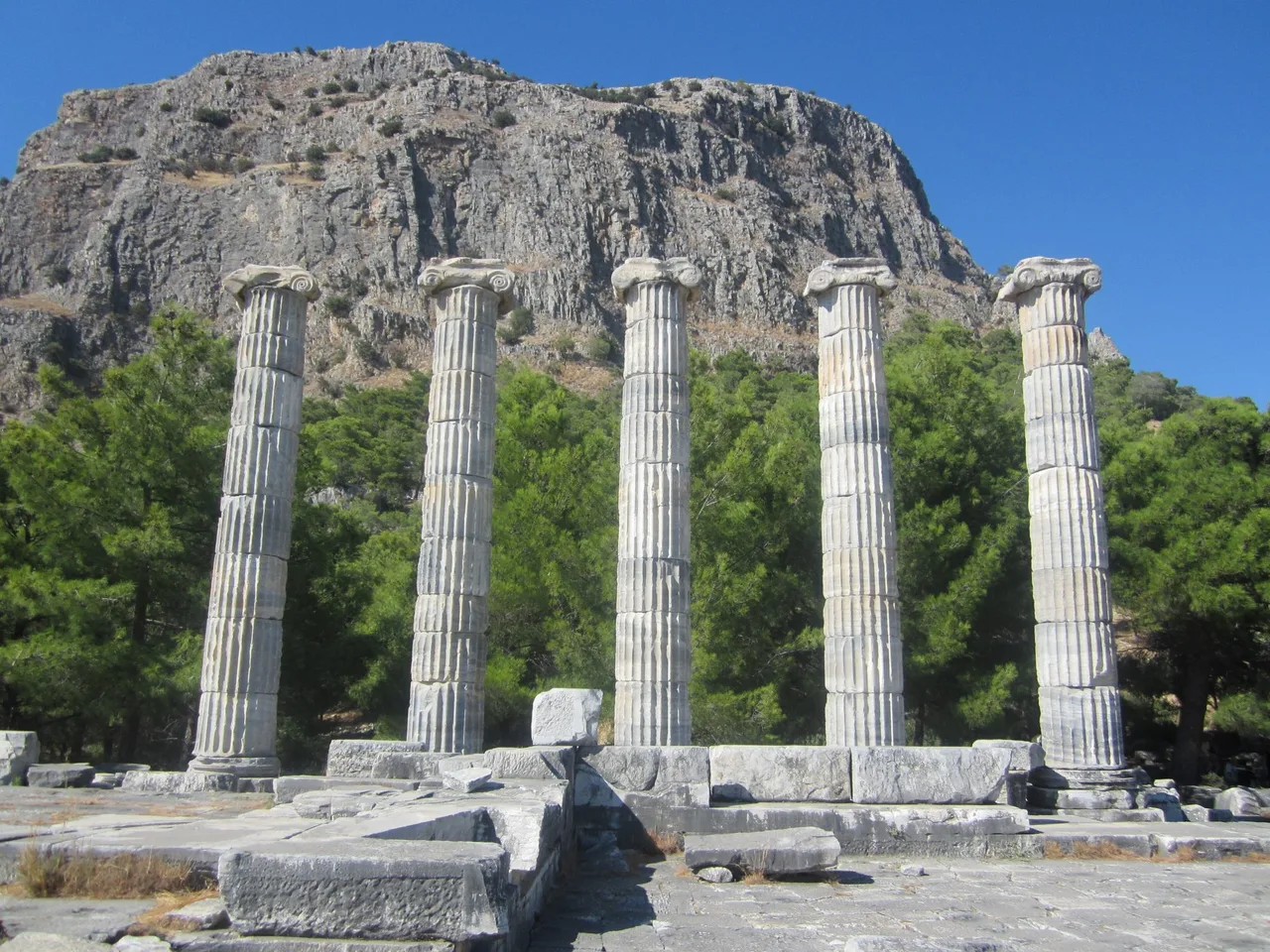
What it is. A Hellenistic city of Ionia on the slope of Mount Mycale, built to a grid plan in the 4th century BC on terraces rising to 380 m above sea level. The river Maeander has since silted up the former bay, so the site is now inland. Five columns of the Temple of Athena still stand, and the theatre holds several thousand people. The city is sometimes called the Pompeii of Anatolia because its Hellenistic layout survives to a great extent.
Getting there. Near the village of Güllübahçe in Söke district, Aydın Province, about 25 km from Miletus. Priene is covered by the Museum Pass The Aegean.
Good to know. The site is built on steep terraces, so wear shoes with grip. It is much quieter than Ephesus.
When. Morning, spring or autumn.
Plan. Two to three hours.
8. Eski Doğanbey: the old village in the national park area
What it is. A hill village on the southern side of the Dilek Peninsula, in the national park area. It was a Greek village called Domatia until the population exchange of 1924, was settled by Turks afterwards, and then left in the 1980s, when residents moved towards the coast in search of modern living conditions. Some of the stone houses have been restored since the 1990s, and some are rented out. A travel-guide description published online says the information centre opens daily from 08:30 to 18:00 and that entry to the village is free; check current hours locally.
Getting there. About 29 km by road from Söke. Minibuses are reported to be irregular, so a car or taxi is easier.
Good to know. A common retelling says that people simply moved back in the 1990s. The record is more mixed: the village stayed empty for years, restoration began in the 1990s, some houses are now rented to visitors and many old houses are still falling into disrepair.
When. Outside summer, when it is quiet.
Plan. One to two hours, combined with Priene or the national park.
9. Yediler Monastery above Lake Bafa
What it is. One of roughly a dozen unrestored Byzantine monasteries on the slopes of the Beşparmak (Latmos) mountains above Lake Bafa. The lake was a gulf of the Aegean until silt closed it; the northern shore, with its olive-covered slopes, is almost untouched. Lake Bafa Nature Park has existed since 1994, and the village of Kapıkırı lies beside the ruins of Heraclea under Latmus.
Getting there. Anadolu Agency describes a walk of about 2 km from Gölyaka village, with remains of frescoes at the monastery. The route is on foot only. Ask locally about the current path.
Rules and safety. Carry plenty of water, start early, wear sturdy shoes and do not walk in midday heat. The ground is rocky.
When. Spring and autumn.
Plan. Half a day, including the walk.
10. Miletus: philosophy and a big theatre
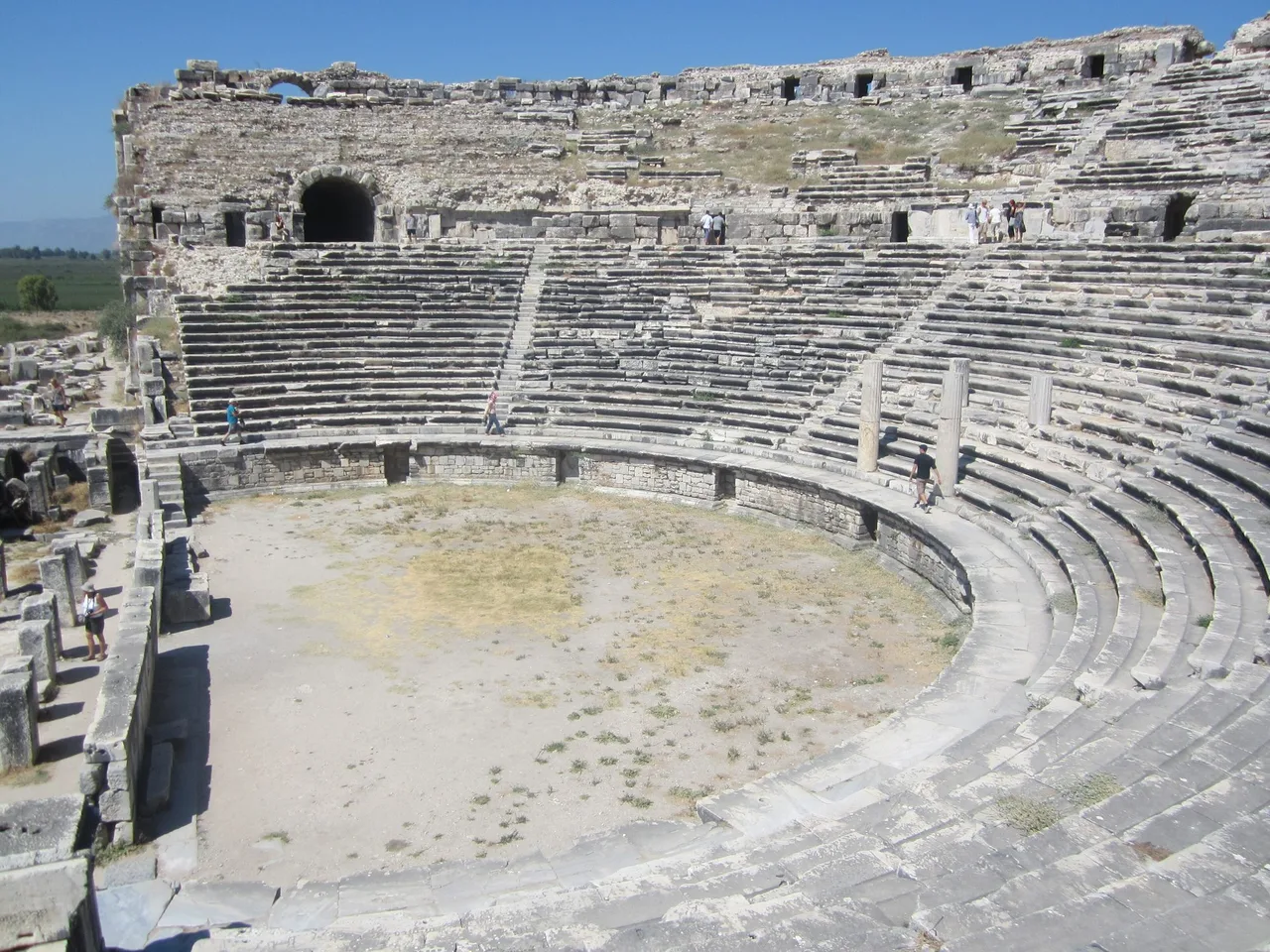
What it is. One of the 12 Ionian city-states, known as the birthplace of philosophy and the home of Thales and his students. The theatre seats 19,000 people. The site also holds the Serapis Temple, the Port Monument and the Faustina Baths. A museum in the ancient city displays finds from Miletus, Priene and the Temple of Apollo at Didyma; its new building opened in May 2011.
Getting there. Near the village of Balat in Didim district, Aydın. The Temple of Apollo at Didyma, a sanctuary linked to Miletus, is close by.
When. Spring and autumn.
Plan. Two hours; add Didyma for a half day.
11. Akyaka: a quiet town under the mountains
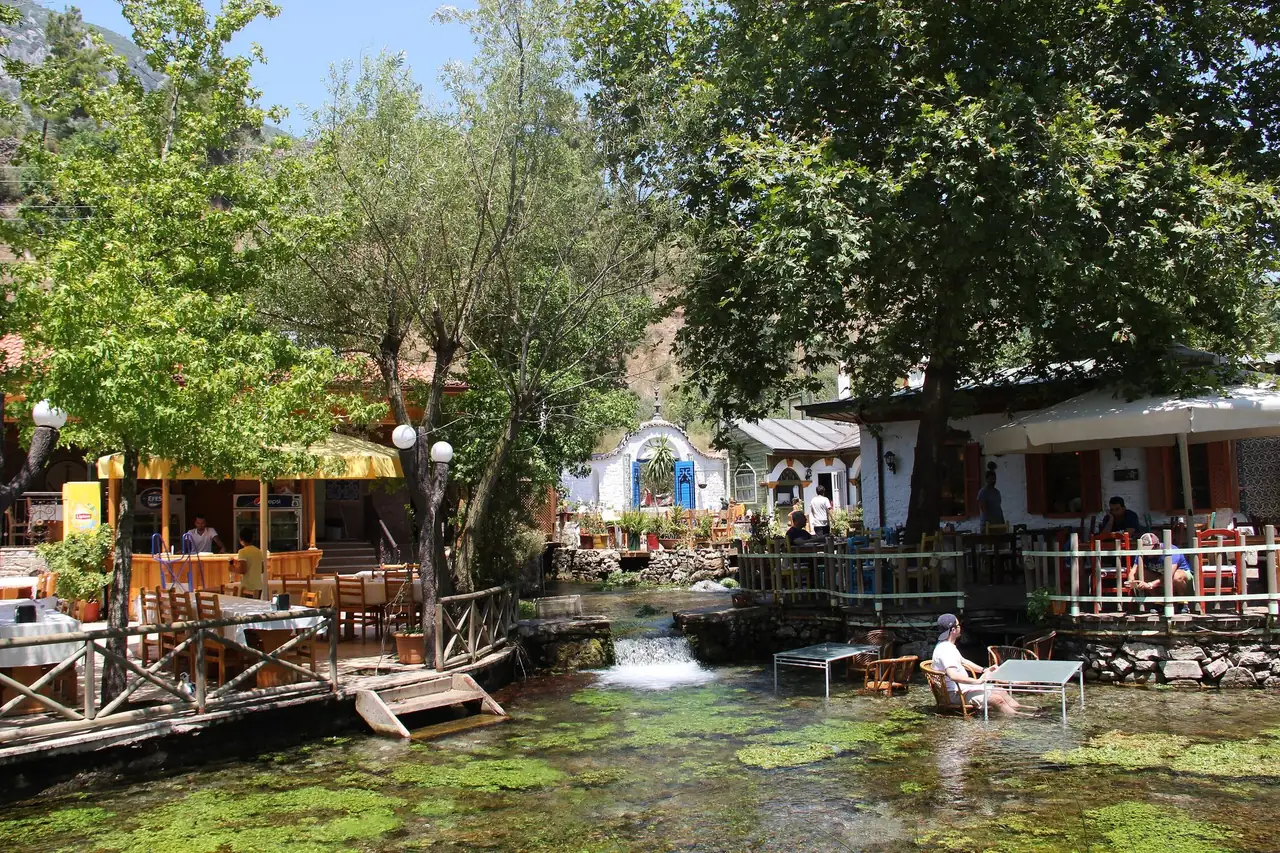
What it is. A neighbourhood of Ula district, Muğla, at the head of the Gulf of Gökova. Its main feature is the Azmak (Kadın Azmağı), a short, deep stream that starts at springs and flows into the sea; the water is cold and slightly salty, boats can go upstream, and restaurants line the banks. The town follows a uniform building code based on a local style of wooden balconies and overhanging roofs, created by the architect Nail Çakırhan. The remains of the ancient city of Idyma lie in nearby Gökova.
Good to know. The Sakar Pass above the town is a paragliding site.
When. Late spring to autumn.
Plan. Half a day, or two or three nights for a slow stay.
12. Bodrum: harbour, castle and shipwrecks
What it is. Bodrum Castle was begun in the early 15th century by the Knights Hospitaller, with four towers named English, French, German and Italian. The Ottomans took it in 1523. Since 1964 it houses the Bodrum Museum of Underwater Archaeology, which has 14 exhibition halls and objects from shipwrecks across the Aegean. The castle is on UNESCO's Tentative List. The town also has an ancient theatre that hosts cultural events.
Good to know. The town is very busy in the high season. Visit the castle early.
When. Spring and autumn for sightseeing; summer for the sea.
Plan. Half a day for the castle and museum.
13. Knidos: the end of the peninsula
What it is. An ancient Dorian city at the tip of the Datça peninsula, where the Aegean meets the Mediterranean. It has two harbours, strong city walls, a lower theatre for about 5,000 people and a Hippodamian street grid. It was famous for the Aphrodite of Knidos, a statue by Praxiteles.
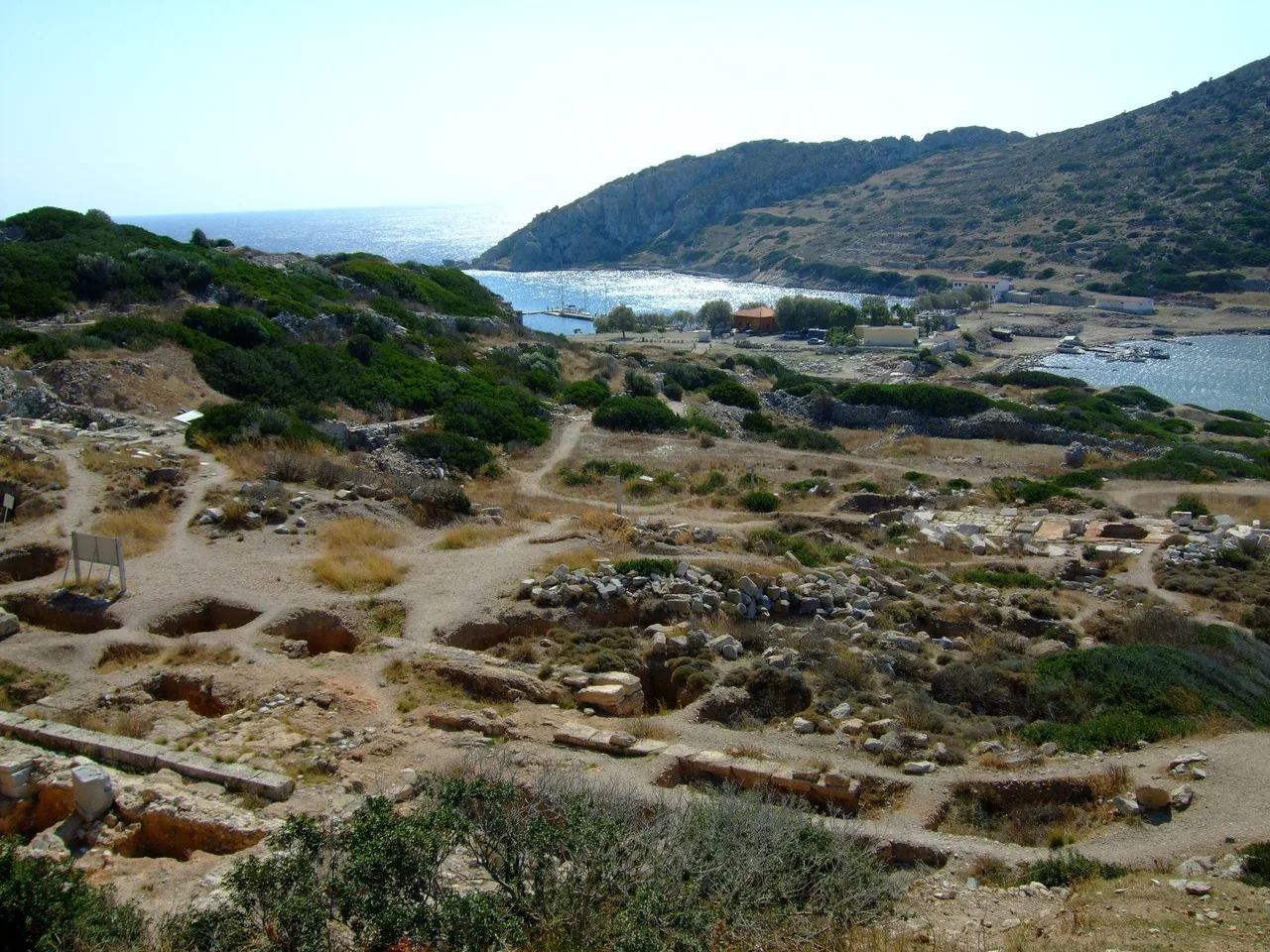
Getting there. The Ministry portal says Knidos is connected to Datça by a 35 km drive, with the last 8 km on gravel in its description. Boats and yachts also come here in the season. Check the current road condition locally.
When. Spring and autumn. Midday heat is severe, and there is little shade.
Plan. Two hours at the site, plus the drive.
14. Datça: the road is the point
What it is. The town of Datça lies midway along a long, narrow peninsula with a coast of small bays and coves. At the eastern end is the narrow isthmus of Balıkaşıran, which offers views of the Gulf of Gökova to the north and the Gulf of Hisarönü to the south. The Ministry portal gives the length of the peninsula as 70 km; Wikipedia says it reaches nearly 100 km, depending on how it is measured.
Good to know. The climate is hot-summer Mediterranean, with very hot, dry summers and mild, wet winters.
When. Late spring and autumn for driving and swimming; avoid August heat if you can.
Plan. Two nights with Knidos, or longer for the coves.
How to choose and combine
- First trip, short: İzmir, Selçuk (Ephesus) and Şirince, then Priene and Miletus.
- Nature and quiet: Dilek national park, Eski Doğanbey and Lake Bafa.
- Slow coast: Akyaka, Datça and Knidos, with Bodrum as an optional city stop.
- Without a car: base yourself in a town with more services (Selçuk, Kuşadası or Bodrum) and ask locally about buses. Dilek, Doğanbey, Yediler and Knidos are easiest with your own transport.
Sources and verification date
Checked on 16 October 2026: UNESCO (Ephesus), the Turkish Ministry of Culture and Tourism museum portal and Ministry of Culture and Tourism pages (Ephesus, Knidos, Priene, Miletus, Aydın ancient cities, Bodrum Museum of Underwater Archaeology), the official e-Visa site, Wikipedia (İzmir, Çeşme, Selçuk, Şirince, Kuşadası, Dilek Peninsula national park, Priene, Miletus, Lake Bafa, Akyaka, Bodrum Castle, Datça, Knidos), a published travel-guide description for Eski Doğanbey and Anadolu Agency reporting for opening hours and Yediler Monastery. Treat prices and hours as snapshots.
Related content
Looking for a mountain day closer to Vienna? See Kampalpe from Spital am Semmering: A Loop by Train. For a list of hikes with current statuses, see Top Hikes in Germany: Gorges, Lakes and Castle Views.