The shirt that does the most work
A hiking T-shirt is the cheapest piece of equipment in your pack and the one that touches your skin for the whole day. It soaks up sweat on the climb, sits under rucksack straps for hours, and faces the sun, the wind and the first cool breath of air at a summit. Choosing it well changes the day more than most people expect.
This guide is about choosing, not about brands. We name no shops, quote no shop prices and rank no labels. Where we make a claim about fibres or sun protection we checked it in an open source on 16 October 2026, and where we are giving experience-based advice or a rough market impression, we say so.
What the shirt has to do
Think of the shirt as part of a system for managing heat and moisture. On an uphill walk your body makes sweat to cool down. If the shirt holds that sweat against your skin, it feels heavy and clammy, chafes at the shoulders and cools you too much the moment you stop. The job of a hiking shirt is to move moisture away from the skin and let it dry, or at least to cope with it without turning into a cold wet layer.
That is also why we think of a hiking shirt as a base layer. Wikipedia describes layered clothing as three layers, and the inner one has the purpose of drawing sweat away from the skin so the outer layers feel warmer.
Synthetic, cotton or merino
Synthetic. Polyester and similar fibres are hydrophobic, meaning they have difficulty absorbing liquids. That is why synthetic shirts feel dry sooner, because the fabric holds little water and moisture travels along the surface. Modern sports knits are far softer and lighter than the stiff, shiny shirts of a few decades ago. The usual drawback is that synthetics can hold odour after a hot day. Washing synthetic fabric also releases tiny plastic fibres, which Wikipedia lists among the sources of microplastic pollution, so a gentle wash on a cooler setting is a small way to help.
Cotton. Cotton is pleasant and cheap, and for a short stroll on a mild dry day in the city forests there is nothing wrong with it. The trouble starts when you sweat or get rained on. Cotton holds water and takes a long time to dry. Wikipedia's article on hypothermia says plainly that synthetic and wool fabrics are superior to cotton because they insulate better when wet as well as dry. If the day will be long, cold, windy or remote, leave the cotton shirt at home.
Merino wool. Merino is a breed of sheep with very fine wool. Wikipedia gives its fibre diameter as generally below 24 microns, and notes that coarse wool fibres from about 30 to 32 microns upward can cause the itch many people associate with wool. Wool in general can absorb almost one third of its own weight in water, and Wikipedia says it combines wicking and water-repelling properties. In practice many walkers find fine merino comfortable over a wide range of temperatures, and it is often said to stay fresher for longer than synthetic. No independent test data is cited here for the odour claim, so treat it as popular opinion and not as a fact. Thin merino knits are also widely reported to wear out faster than synthetics, especially where rucksack straps rub. Merino usually costs more, and it dries slower than a thin polyester shirt.
None of the three fibres wins every time. The best choice depends on the length and temperature of the walk and your own skin.
Three price levels, as rough guidance
Shop prices change by country, season and sale, so none are quoted. What follows is a general orientation of how the market tends to be layered. Treat these ranges as a rough impression in euros, not as verified figures.
- Basic, roughly 5 to 20 EUR. Thicker synthetic fabric, simple cut. Fine for beginners and for short walks. It may feel less cool in heat and it can hold odour sooner.
- Mid-range, roughly 20 to 50 EUR. Thinner and softer synthetic knits, often with better stretch, flatter seams and some cooling or warming finish. This is where most regular walkers will find what they need.
- High-end, roughly 100 EUR and more. Very light fabrics for long days, fast hiking and trail running, and often fine merino or merino blends. The gap in between is real. Good merino shirts often sit above the mid-range.
A higher price does not guarantee a better fit for you. A basic shirt that fits and is worn in often beats an expensive one that rubs.
How to choose
- Fit. Close but not tight. You should be able to lift your arms without the hem riding up and without the sleeve cutting in. A shirt that is too loose can flap and chafe under a rucksack.
- Length. Long enough at the back to cover your lower back when you lean forward.
- Seams and neck. Flat seams, or none across the shoulders. Try on the shirt with a backpack if you can. A soft collar helps, as does a neck that sits low enough for a sun hat or buff.
- Sleeves. Short sleeves are cooler, long sleeves protect from sun and brush. In open terrain with strong sun, a light long-sleeved shirt can be more comfortable than sunscreen alone.
- Colour. Light colours stay cooler in sun. Dark and dense fabrics may block more UV but hold more heat. Choose for the weather you expect.
- Weight. Lightweight fabric dries quicker but can feel less sturdy. If you wear heavy straps all day, a medium weight may last longer.
- Sensitive skin. Try a fabric at home first, and prefer soft knits with flat seams. If you have allergies, ask a doctor and read the care label.
Layering in one minute
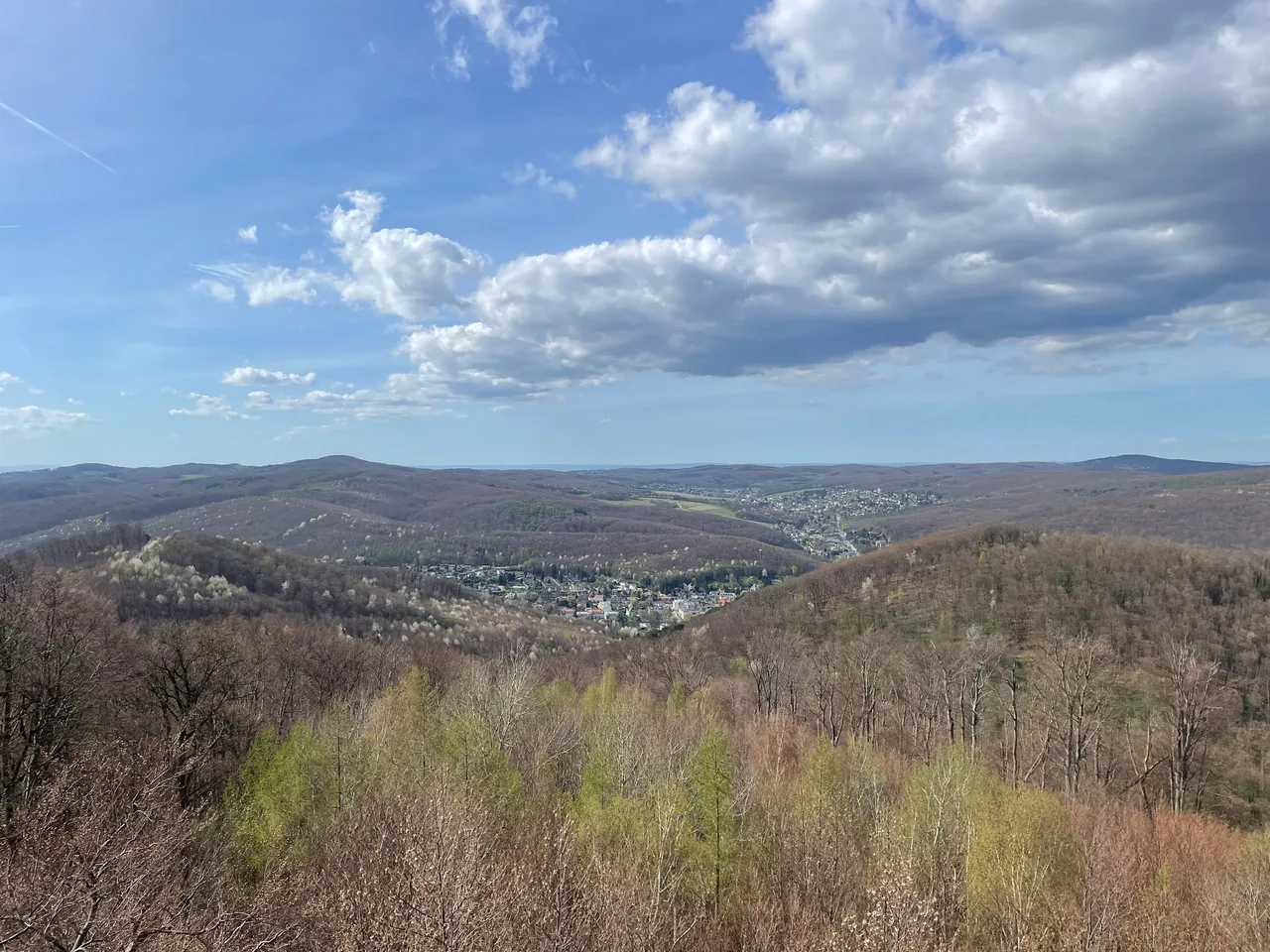
For a day trip in the Vienna Woods or similar hills, the sequence is simple. Wear the shirt as your base layer. Carry a light long-sleeved top or fleece for stops and shaded valleys. Keep a wind or rain shell in the bag, because the City of Vienna recommends rain gear on every hike. Put the extra layer on at the start of a break, before you get cold, and take it off before you start climbing again. Climbing in a closed jacket is a common mistake, because the sweat has nowhere to go and wets the shirt from the inside.
Sun protection
A shirt is also sun protection. UPF is the rating used for fabric: Wikipedia describes it as the ratio of sunburn-causing UV without and with the fabric, similar to the SPF used for sunscreen. It gives about 6 for a standard summer fabric and about 30 for sun protective clothing, which means roughly 1 part in 30 gets through. How much a fabric blocks depends on fibre, weave density, colour and finishing. If you spend long days above the treeline, look for a stated UPF rating on the label. Do not forget the neck, the backs of the hands and the face.
Odour and washing
- Wash after every hard day. Sweat left in a closed bag grows smell quickly.
- Wash at the temperature on the care label. Cooler is gentler on fibres and uses less energy.
- Skip fabric softener on technical shirts, as it can leave a film that reduces how well the fabric moves moisture.
- Merino usually asks for a wool-safe or gentle cycle. Follow the label, as the shrinking risk is real.
- Dry flat or on a line, away from direct heat.
The softener advice is common practice among outdoor retailers and is on many care labels, but no independent test is cited for it, so check your own label first.
Common mistakes
- Wearing cotton on a long or cold hike because it is what the wardrobe offered.
- Buying a shirt one size too small because it looks sporty.
- Skipping a trial with a rucksack, then finding seams that rub on the first hour.
- Choosing by price tier alone, and ignoring fit and fabric weight.
- Leaving the extra layer in the bag at the summit until the shivering starts.
- Treating UPF as a replacement for water, shade and a hat.
Short summary
- Synthetic: dries fast, usually the best value, may hold smell.
- Cotton: comfortable and cheap, fine for short dry strolls, poor when wet or cold.
- Merino: soft and comfortable over a wide range of temperatures, usually more expensive, less hard-wearing when thin.
- Price: basic about 5 to 20 EUR, mid-range about 20 to 50 EUR, high-end about 100 EUR and more, as our own rough orientation.
- Choose for fit, seams, weight and the weather, not for the label.
- Layer: base shirt, spare long sleeve, weather shell.
- Sun: check for a UPF rating on long open days.
Verification
The fibre, layering, UPF and hypothermia statements were checked on 16 October 2026 against the Wikipedia articles listed under sources. The price ranges, the odour comparison for merino, the wear comparison for thin merino and the care advice are our own orientation or common practice and are not independently verified.